


Distilia New Yarmouth Ex-Bourbon Cask 1994
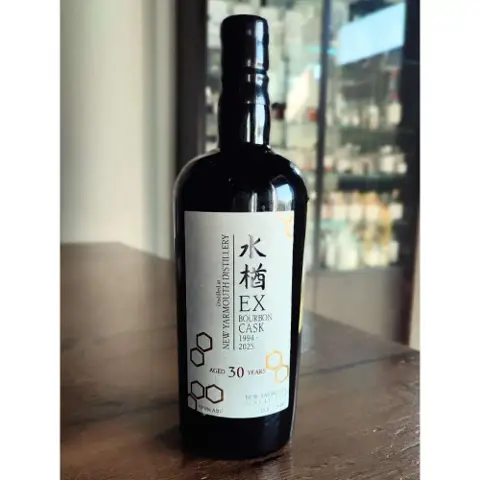
New Yarmouth
Distilia New Yarmouth Ex-Bourbon Cask 19948.9/10 (77 reviews)
Caramel · Vanilla · Coconut
8.9/10 (1,708 reviews)
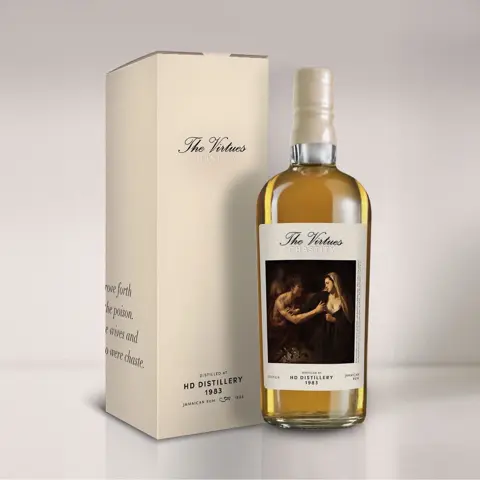
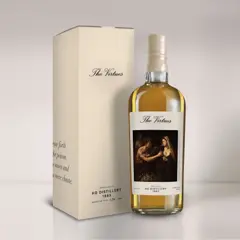 Distilia Hampden The Virtues Chastity by Robert Bauer C<>H 1983
9.4/10 (72 reviews)
Distilia Hampden The Virtues Chastity by Robert Bauer C<>H 1983
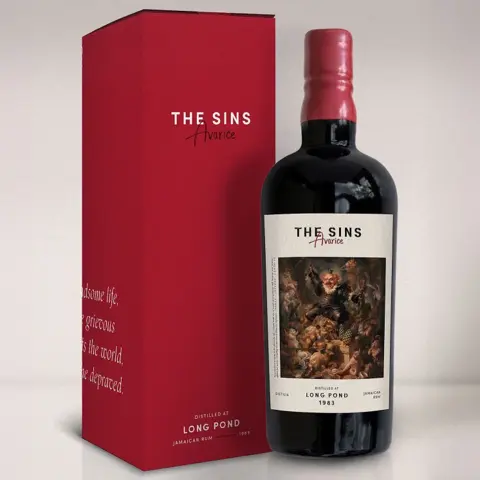
9.4/10 (72 reviews) Distilia Long Pond The Sins Avarice by Robert Bauer 1983
9.3/10 (118 reviews)
Distilia Long Pond The Sins Avarice by Robert Bauer 1983
9.3/10 (118 reviews) Distilia Clarendon Finest Jamaican Rum (Rhum Attitude & Bar Lamp) 1995
8.9/10 (70 reviews)
Distilia Clarendon Finest Jamaican Rum (Rhum Attitude & Bar Lamp) 1995
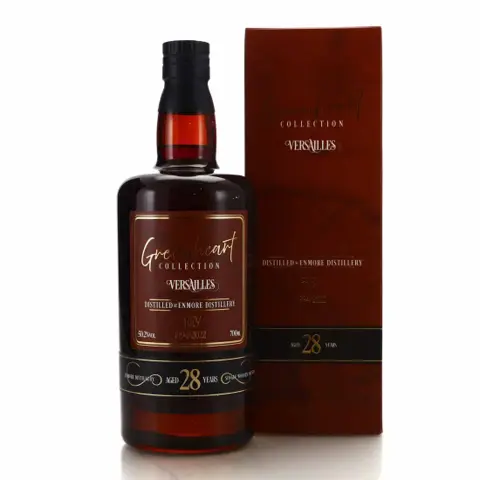
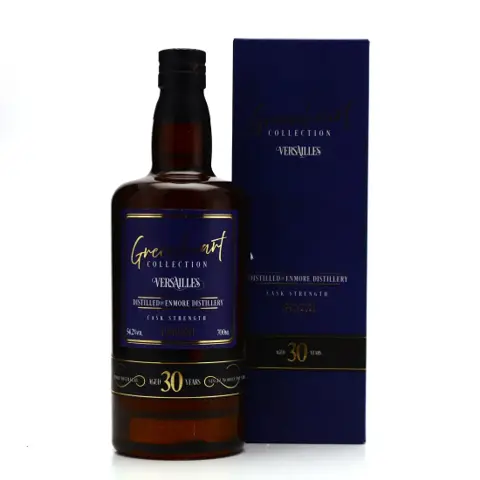
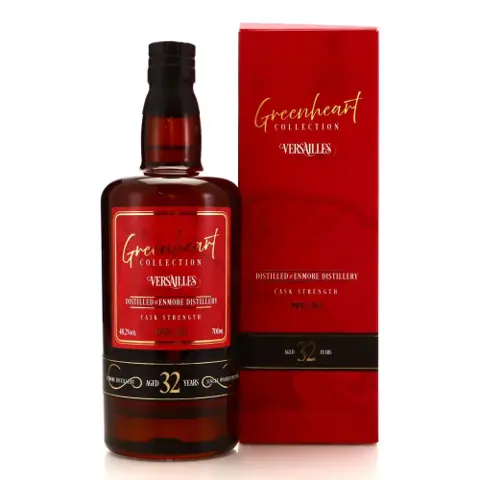
8.9/10 (70 reviews)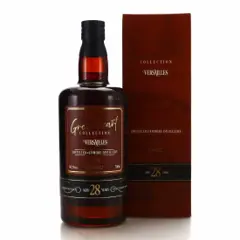 Distilia Enmore (Versailles) Greenheart REV 1994
9.2/10 (68 reviews)
Distilia Enmore (Versailles) Greenheart REV 1994
9.2/10 (68 reviews) Distilia Enmore Floral Rum Series Victoria Amazonica (Catawiki) REV 1994
9.1/10 (65 reviews)
Distilia Enmore Floral Rum Series Victoria Amazonica (Catawiki) REV 1994
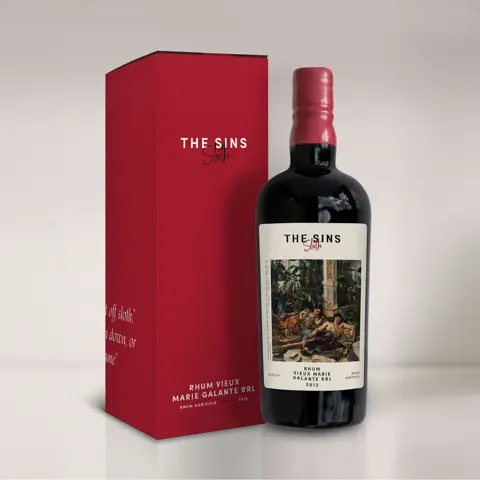
9.1/10 (65 reviews)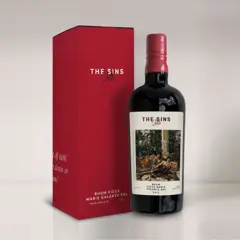 Distilia Bielle The Sins Sloth RRL by Robert Bauer 2012
9.1/10 (61 reviews)
Distilia Bielle The Sins Sloth RRL by Robert Bauer 2012
9.1/10 (61 reviews) Distilia Uitvlugt The Golden Age of Piracy Samuel Bellamy 1991
8.7/10 (60 reviews)
Distilia Uitvlugt The Golden Age of Piracy Samuel Bellamy 1991
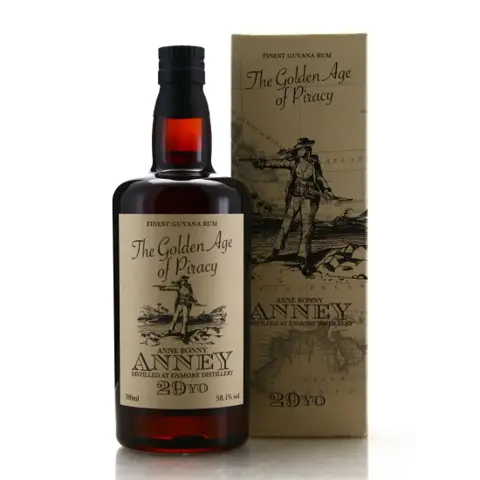
8.7/10 (60 reviews) Distilia Enmore The Golden Age of Piracy Anney Distilia 1992
8.9/10 (57 reviews)
Distilia Enmore The Golden Age of Piracy Anney Distilia 1992
8.9/10 (57 reviews)Distilia is the Polish independent bottler that came to rum from rare whisky and now lands casks almost nobody else can reach: a 42-year-old Hampden, a 40-year-old Long Pond, a Savanna at full strength. Its Long Pond 1983 Avarice was voted Rum of the Year 2024 by the RumX community.
44 bottlings, 30 of them available, prices from 40 partner shops. As of October 2026.
Prices incl. VAT and shipping to incl. VAT & shipping to How we rank
By default, what matches your search and filters comes first. Where the match is equal, the rums currently most popular on RumX come first, then those with more ratings. The “Sort” menu shows which order applies and lets you sort by score, number of ratings or price.



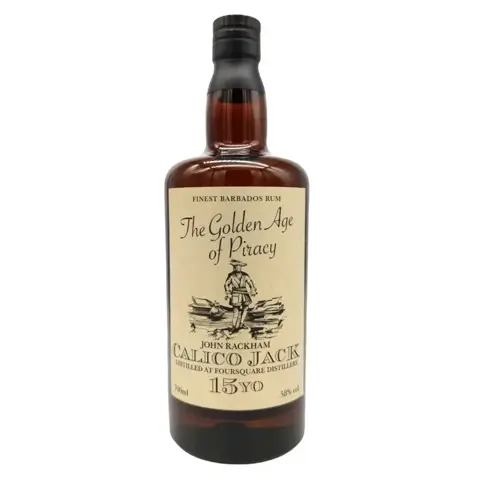
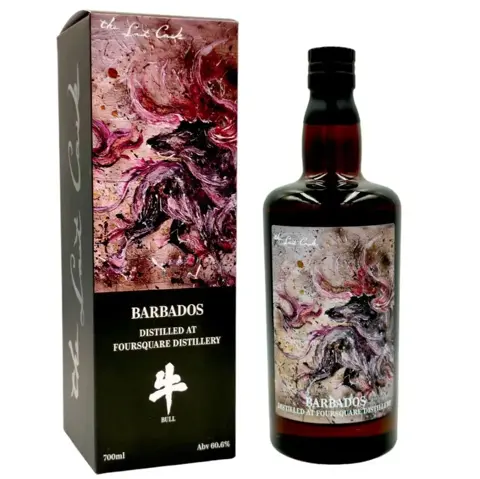
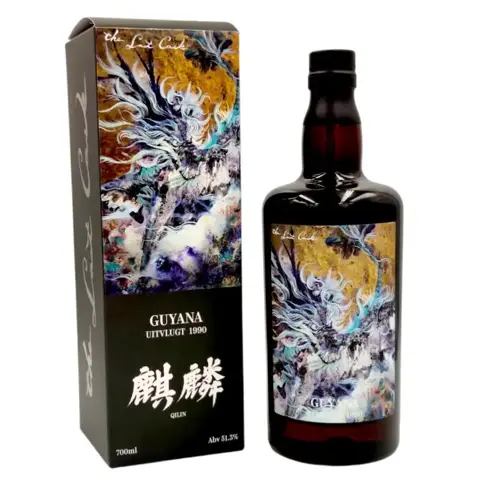
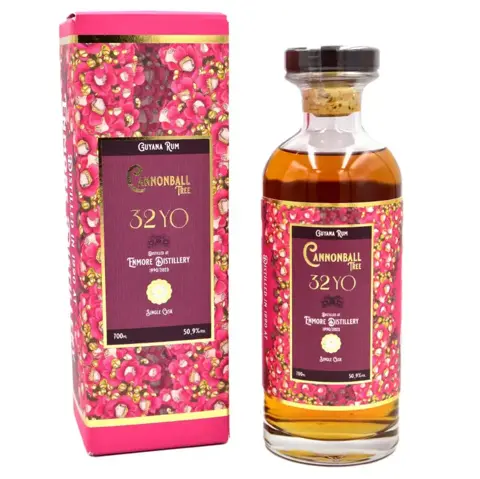





Change your search or remove some filters.
Distilia wins the community over: 99% of 1,708 ratings are good or better.
People who like Distilia also rate these higher than other tasters do: Banks +1.1 J. Faria & Filhos +0.5
Buying for someone else? The Rum Finder helps you choose
Based on 1,708 ratings, including 406 with a flavour profile and 997 with a written review.
Among rums with at least 30 ratings, Distilia Hampden The Virtues Chastity by Robert Bauer C<>H 1983 leads with 9.4/10 from 72 ratings. The most rated is Distilia Long Pond The Sins Avarice by Robert Bauer 1983 with 9.3/10 from 118. The 44 bottlings with a known strength range from 47.3 to 68.3% ABV; half of them sit between 51.6 and 64.5%.
| Bottling | Age | ABV | Rating | Priceincl. shipping |
|---|---|---|---|---|
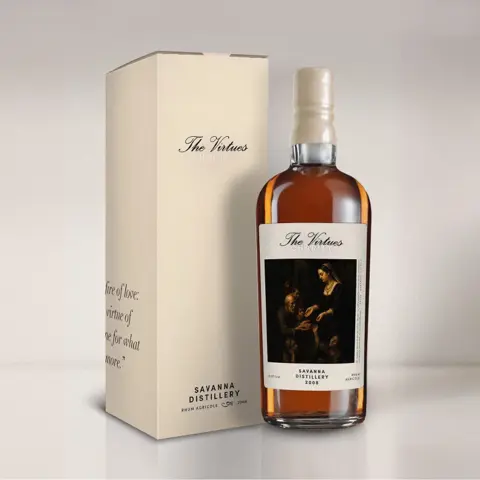
| Distilia Hampden The Virtues Chastity by Robert Bauer C<>H 1983 Pot Still Rum | 42 years | 48,7% | 9.4/10 (72 reviews) | 1,300.00 € 1,857.14 € per litre |
| Distilia Long Pond The Sins Avarice by Robert Bauer 1983 Pot Still Rum | 40 years | 51,6% | 9.3/10 (118 reviews) | not available |
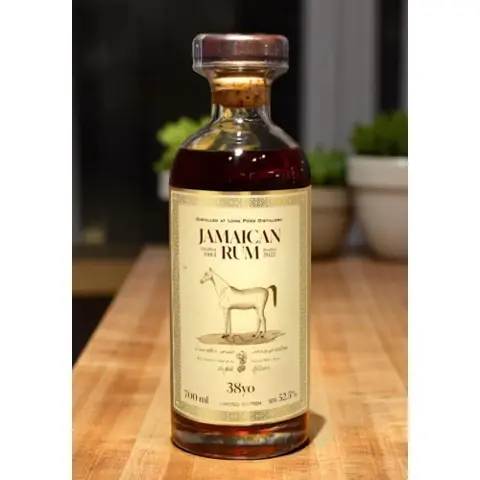
| Distilia Long Pond Jamaican Rum (Horses) 1983 Pot Still Rum | 38 years | 52,5% | 9.3/10 (22 reviews) | not available |
| Distilia Enmore (Versailles) Greenheart REV 1994 Pot Still Rum | 28 years | 50,2% | 9.2/10 (68 reviews) | 590.00 € 842.86 € per litre |
| Distilia Long Pond The Golden Age of Piracy Charles Vane 1983 Pot Still Rum | 38 years | 52,5% | 9.2/10 (43 reviews) | 1,500.00 € 2,142.86 € per litre |
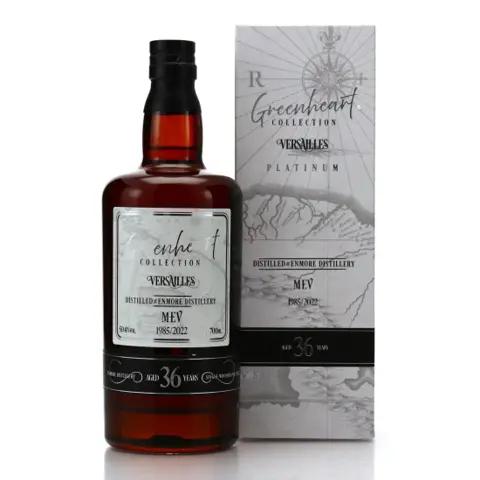
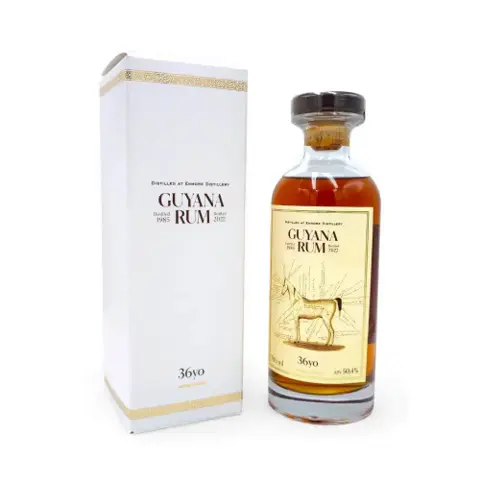
| Distilia Enmore Guyana Rum (Horses) MEV 1985 Pot Still Rum | 36 years | 50,4% | 9.2/10 (14 reviews) | not available |
| Distilia Enmore Floral Rum Series Victoria Amazonica (Catawiki) REV 1994 Pot Still Rum | 28 years | 51,8% | 9.1/10 (65 reviews) | not available |
| Distilia Bielle The Sins Sloth RRL by Robert Bauer 2012 Rhum Agricole | 13 years | 58,8% | 9.1/10 (61 reviews) | not available |
| Distilia Savanna The Virtues Charity by Robert Bauer 2008 Column Still Rum | 15 years | 68,3% | 9.1/10 (53 reviews) | not available |
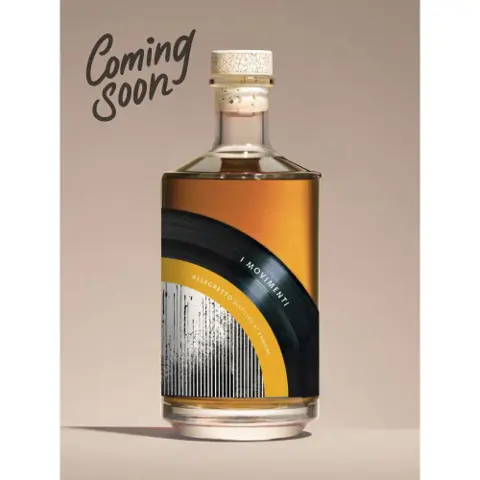
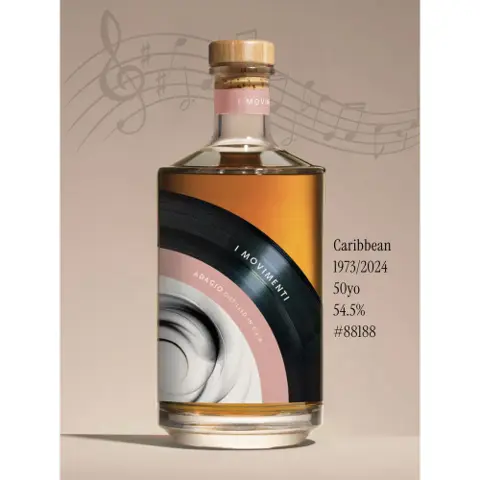
| Distilia Enmore I Movimenti Allegretto REV 1994 | 28 years | 60,2% | 9.1/10 (21 reviews) | 397.00 € 550.00 € per litre |
| Distilia New Yarmouth The Golden Age of Piracy Woodes Rogers 1994 Pot Still Rum | 27 years | 67,1% | 9.0/10 (56 reviews) | not available |
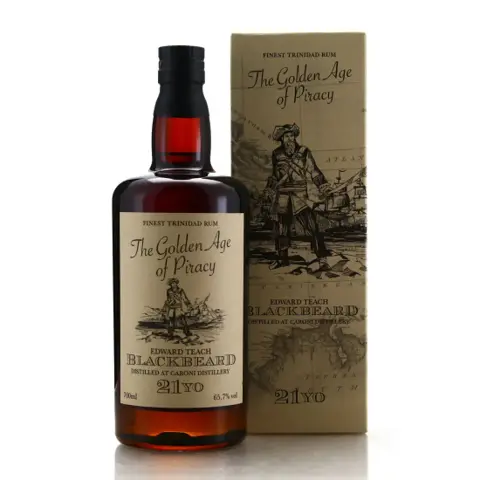
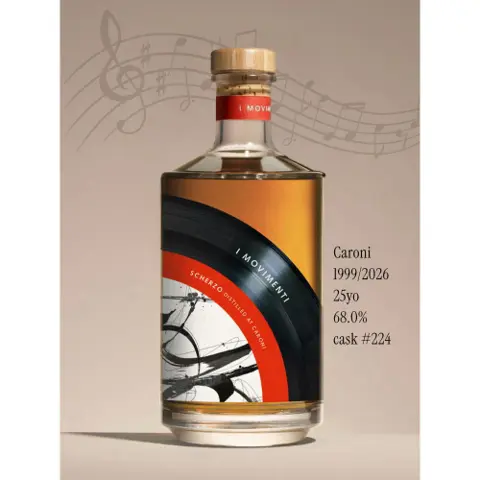
| Distilia Caroni The Golden Age of Piracy Edward Teach Blackbeard 1999 | 21 years | 65,7% | 9.0/10 (43 reviews) | 691.00 € 970.00 € per litre |
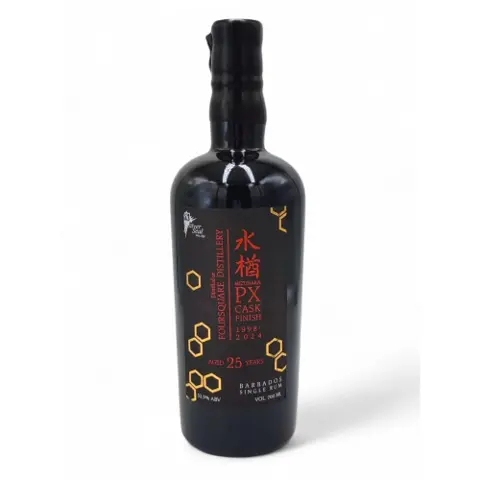
| Distilia Foursquare Mizunara & PX Cask Finish (Silver Seal) 1998 Pot & Column Still Rum | 25 years | 52,5% | 9.0/10 (42 reviews) | 795.00 € 1,135.71 € per litre |
| Distilia Enmore (Versailles) Greenheart MEV 1985 Pot Still Rum | 36 years | 50,4% | 9.0/10 (24 reviews) | 1,090.00 € 1,557.14 € per litre |
| Distilia Enmore Greenheart Versailles 1988 Pot Still Rum | 32 years | 48,2% | 9.0/10 (17 reviews) | 612.00 € 857.14 € per litre |
| Distilia New Yarmouth Ex-Bourbon Cask 1994 | 30 years | 65,9% | 8.9/10 (77 reviews) | 279.95 € 399.93 € per litre |
| Distilia Clarendon Finest Jamaican Rum (Rhum Attitude & Bar Lamp) 1995 Pot Still Rum | 27 years | 64,7% | 8.9/10 (70 reviews) | 351.99 € 485.70 € per litre |
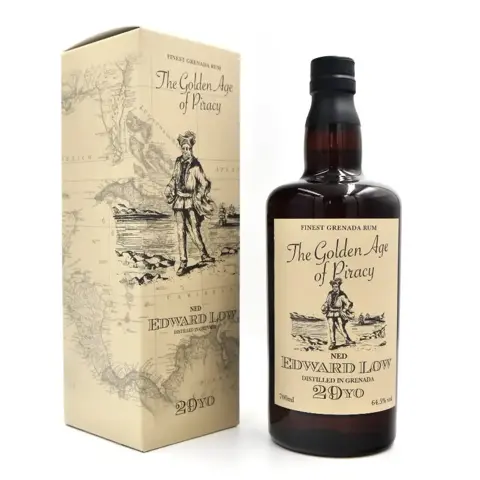
| Distilia Enmore The Golden Age of Piracy Anney Distilia 1992 Pot Still Rum | 29 years | 58,1% | 8.9/10 (57 reviews) | 591.00 € 827.14 € per litre |
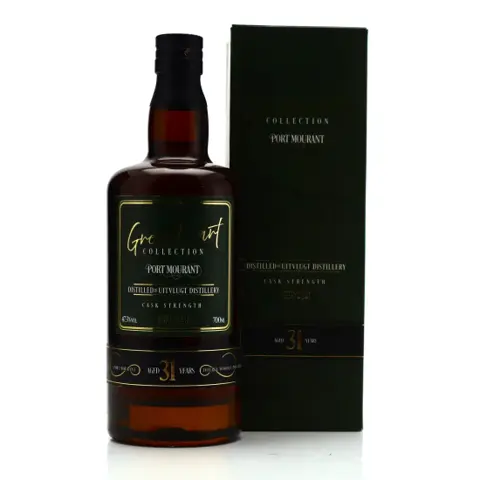
| Distilia Uitvlugt Greenheart MPM 1989 Pot Still Rum | 31 years | 47,3% | 8.9/10 (54 reviews) | 497.00 € 692.86 € per litre |
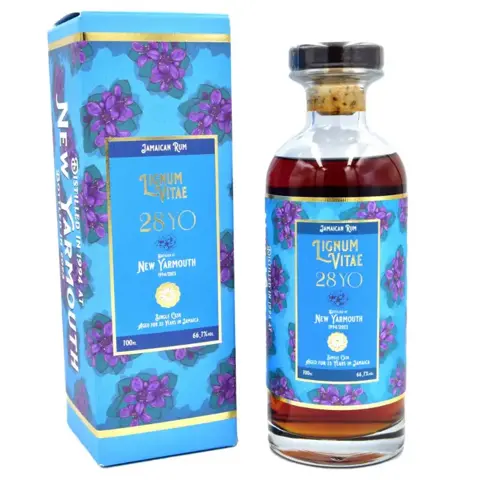
| Distilia New Yarmouth Floral Rum Series Lignum Vitae (Catawiki) NYE 1994 | 28 years | 66,7% | 8.9/10 (39 reviews) | 395.00 € 564.29 € per litre |
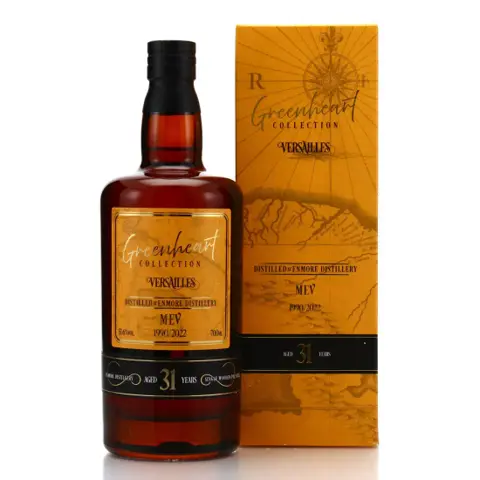
| Distilia Enmore (Versailles) Greenheart Versailles MEV 1990 Pot Still Rum | 31 years | 51,6% | 8.8/10 (51 reviews) | 490.00 € 700.00 € per litre |
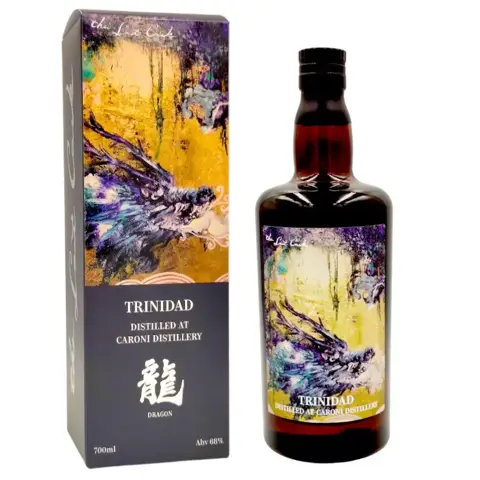
| Distilia Caroni The Last Cask, Dragon, Artist (Yu Chuan) 1999 | 23 years | 68% | 8.8/10 (41 reviews) | not available |
| Distilia Enmore Greenheart Versailles MEV 1990 Pot Still Rum | 30 years | 54,2% | 8.8/10 (31 reviews) | 520.00 € 742.86 € per litre |
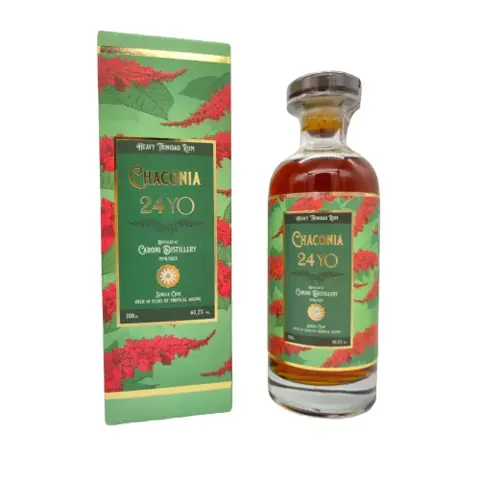
| Distilia Caroni Floral Rum Series Chaconia (Catawiki) 1998 | 24 years | 60,2% | 8.8/10 (31 reviews) | not available |
24 of the 41 bottlings with at least 10 ratings are listed here; the rest are in the catalog above.
The median score is 8.9, which means “Very good”.
Added to the most collections recently.
Highest community ratings for the price, from live offers.
1,093 bottles logged in tasters' collections, including opened and emptied ones.
+93 additions in the last 3 months.
Additions per month over the last 12 months; dark bars: the last 3.
as of
RumX Guide
Distilia, explained
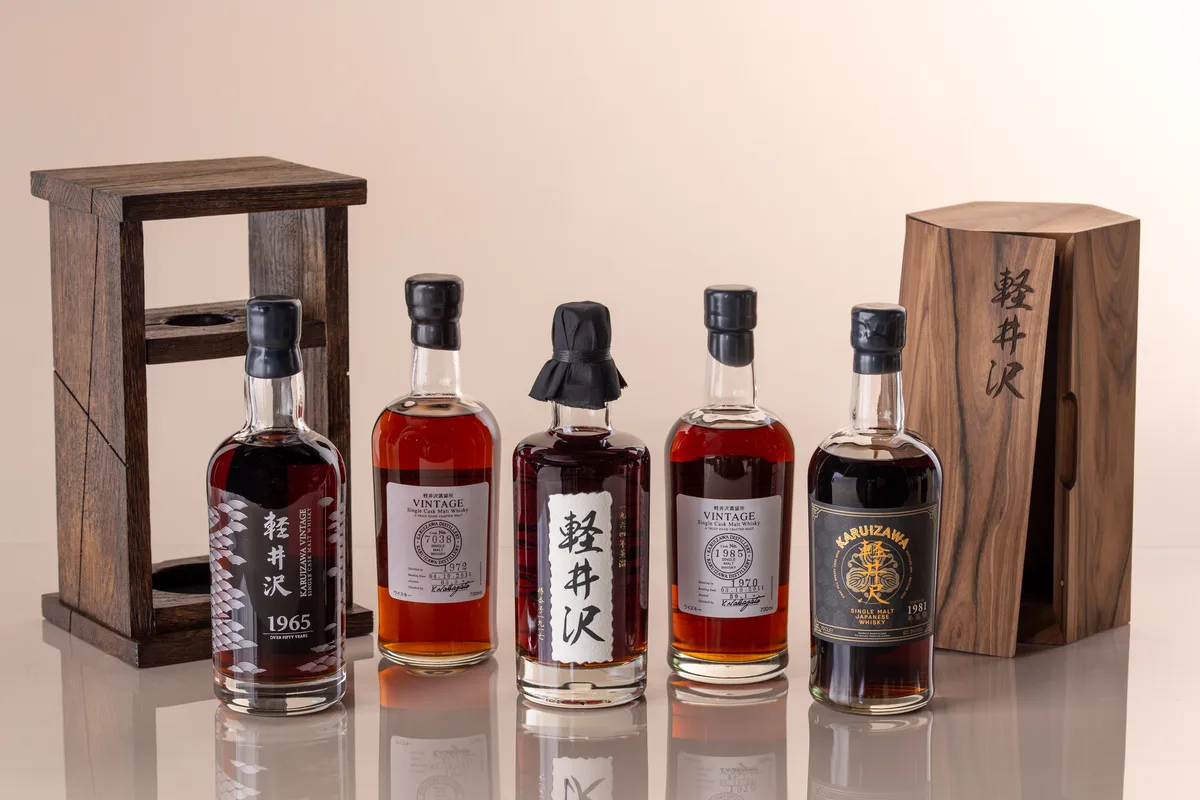
Distilia was founded by two Poles, Jakub Bagiński and Piotr Kossowski; Bagiński is co-founder and CEO and gave RumX the exclusive interview on this page. It did not start with rum at all: the two came out of rare whisky, Karuizawa, Glenfarclas, Clynelish, the kind of bottles that trade like art.
The turn came over a glass of Caroni 17. Bagiński says it was not love at first sip, it was the realisation that a whole category existed that he had never taken seriously. They worked their way through the big names in rum to see whether the category could stand next to the whiskies they knew. It could.
No: Distilia does not distil a drop itself. An independent bottler buys finished casks from distilleries, ages and selects them, then bottles under its own label, and for Distilia that means casks from distilleries such as Hampden, Long Pond, New Yarmouth, Enmore, Savanna and Foursquare. Bagiński describes the job as hunting for treasure: collectors hunt bottles, bottlers hunt casks, and the difference is mostly scale.
The part that matters for what ends up in your glass is what they are not tied to. A distillery has a house style it has to defend. A bottler has none, so Distilia can put a Jamaican pot still rum, a Guadeloupe agricole and a 56-year-old armagnac in the same box because it likes all three. That freedom is the same one Velier used to build the modern rum market, applied across categories rather than within one.
The Sins and The Virtues are Distilia's two flagship series, conceived together as a pair: The Sins takes the seven deadly sins from Dante's Divine Comedy and gives each one a benchmark spirit from a different category, and The Virtues is its mirror, planned from the start rather than as a sequel once the first sold. So a Jamaican rum stands next to a Springbank and a 56-year-old armagnac. Most bottlers print a cask number and stop; Distilia builds worlds. Alongside the pair run The Golden Age of Piracy (one pirate per bottle), the Floral Rum Series of national flowers, I Movimenti, and a run named after a horse-breeding Polish count.
The point of the series is comparison. Seven bottles, seven categories, one question: what does greatness look like in each. In rum that meant Sloth, an agricole from Marie-Galante, and Chastity, a 42-year-old Hampden.
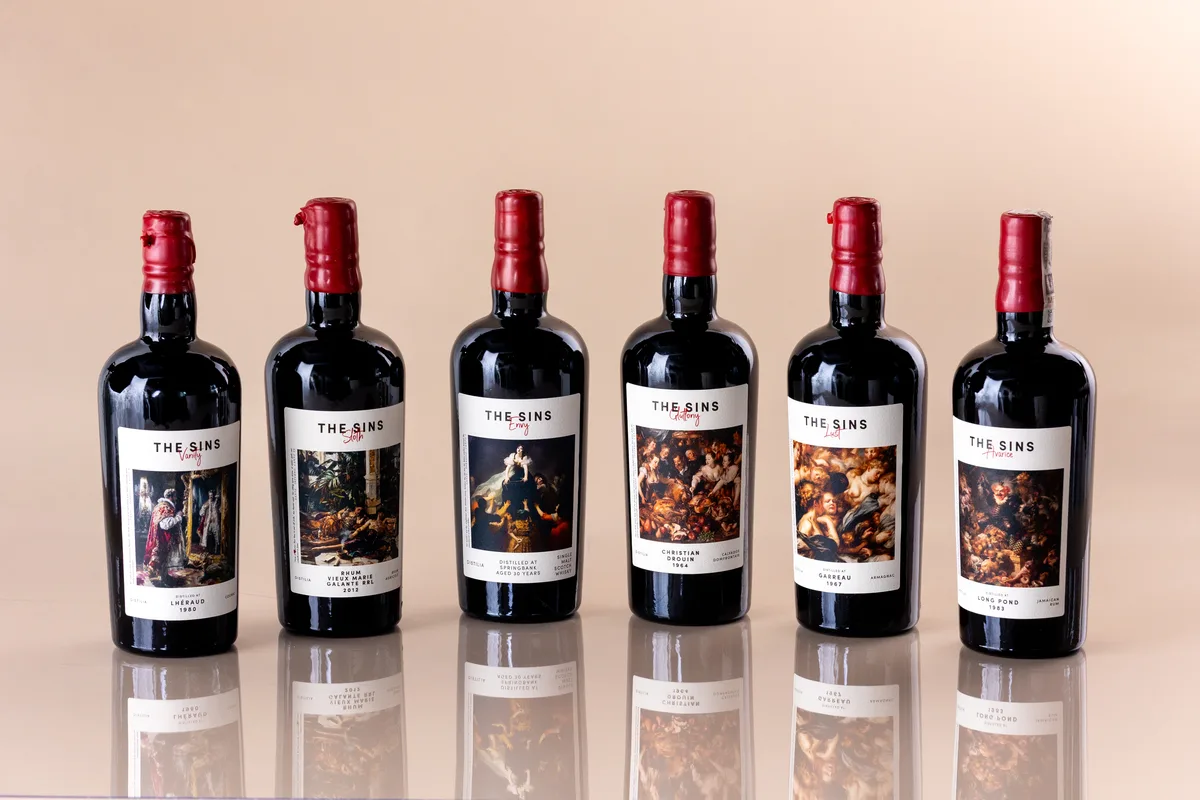
Distilia and a named outside curator pick them together: often Distilia makes the first call by buying the cask, sometimes years earlier, and the curator makes the last one, Robert Bauer on The Sins and The Virtues and Pietro Caputo on I Movimenti. A guest name on a label raises the obvious question of whether it is real involvement or a borrowed reputation, so we asked it directly in the interview below.
The answer is that it runs both ways. Often the curator picks from casks Distilia already owns. Sometimes the selection starts from nothing: for The Virtues Patience, Bauer blind-tasted more than sixty armagnac samples over roughly a month before naming one. The Long Pond 1983 that became Avarice had sat in Distilia's inventory for years before it was chosen for the series.
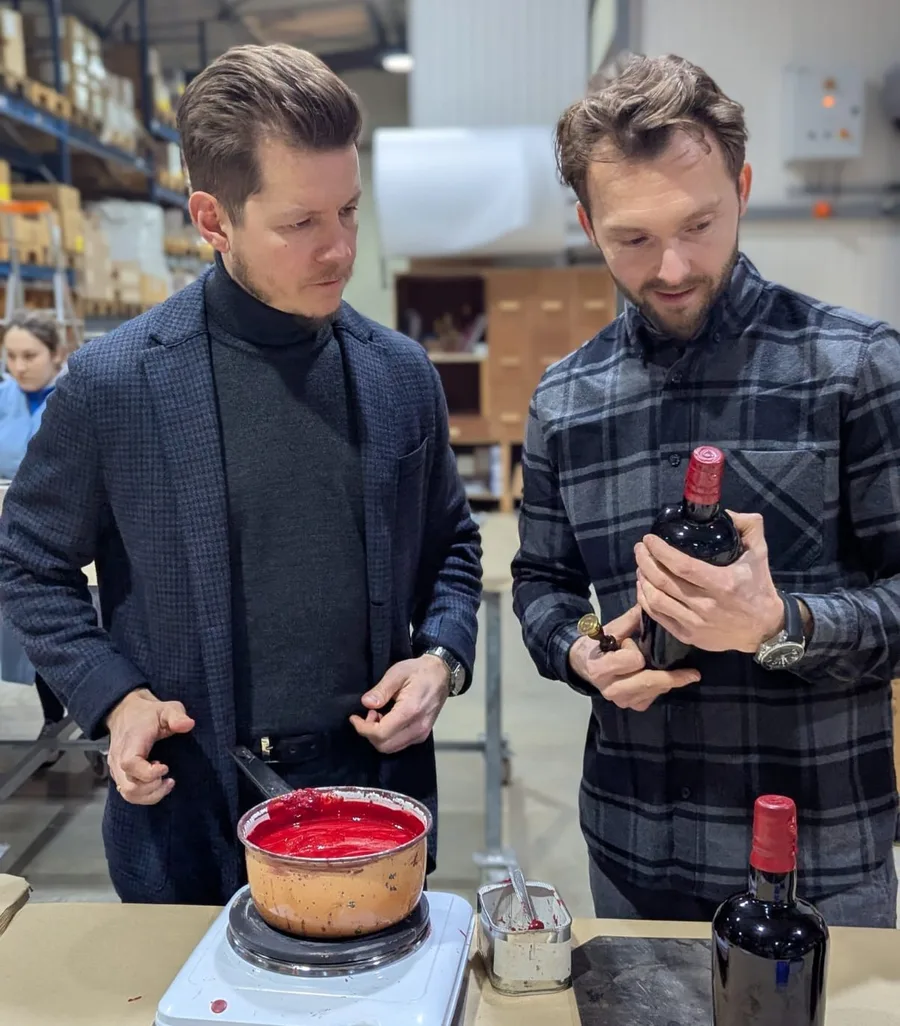
Because Distilia only buys casks it already believes in: that keeps the catalogue small and the level unusually even across the bottlings our community has scored, as the table below shows. The trade-off is the one every reader will feel: there are very few bottles.
The bottles in the table are old and quiet rather than loud. A 42-year-old Hampden, a 40-year-old Long Pond, a Savanna from Reunion, an Enmore wooden-still Guyanese and a New Yarmouth that took World's Best Pot Still at the 2023 World Rum Awards. Read the number of ratings alongside the score: a score that many tasters stand behind is a different claim from the same score from a handful.
| Bottling | RumX score | Ratings |
|---|---|---|
| Hampden 1983 The Virtues Chastity, 42 years | 9.5/10 | n=59 |
| Long Pond 1983 The Sins Avarice, 40 years | 9.3/10 | n=117 |
| Savanna 2008 The Virtues Charity, 15 years | 9.2/10 | n=45 |
| Enmore 1994 Greenheart REV, 28 years | 9.1/10 | n=61 |
| New Yarmouth 1994 Woodes Rogers, 27 years | 9.0/10 | n=56 |
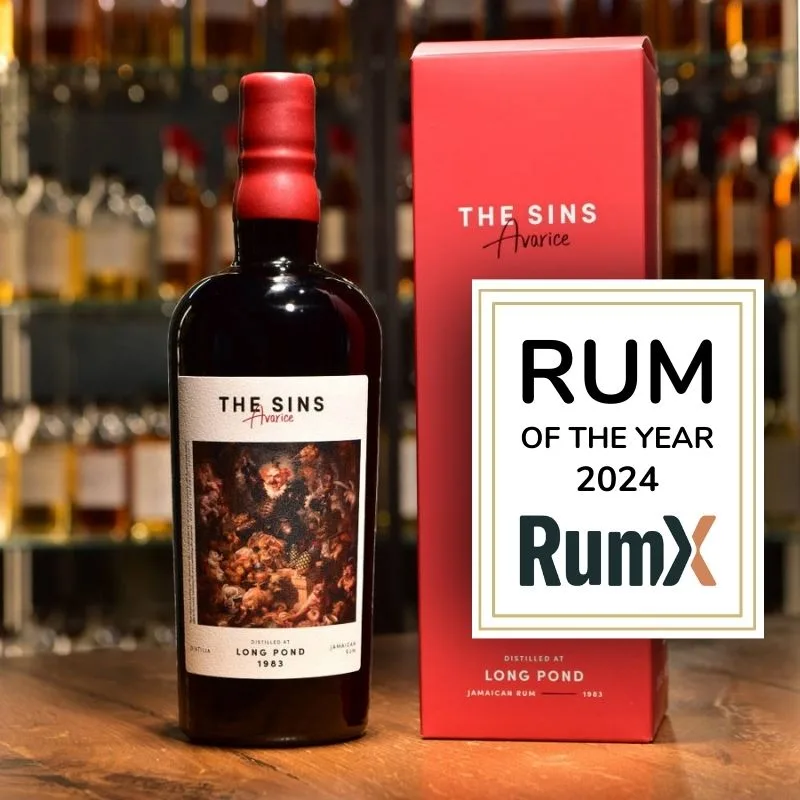
Because of what is in the casks: Distilia bottles vintages that barely exist anymore, such as a 42-year-old Hampden and a 40-year-old Long Pond, and positions itself at the premium end on purpose. Most of the RumX community will never buy at that level, and the interview below puts that to Bagiński rather than around him, his own price range included. His position is that they compete on quality, design and story rather than on price.
One route is genuinely different. The Floral Rum Series sells only through Catawiki auctions, and Distilia says the partnership was struck with no reserve price on any bottle, so the market sets the number rather than the house. If you want a Distilia at a price you choose, that is where to look. The other route the community already uses is the split: one bottle, many glasses, several people.
Jakub BagińskiCo-founder and CEO, Distilia
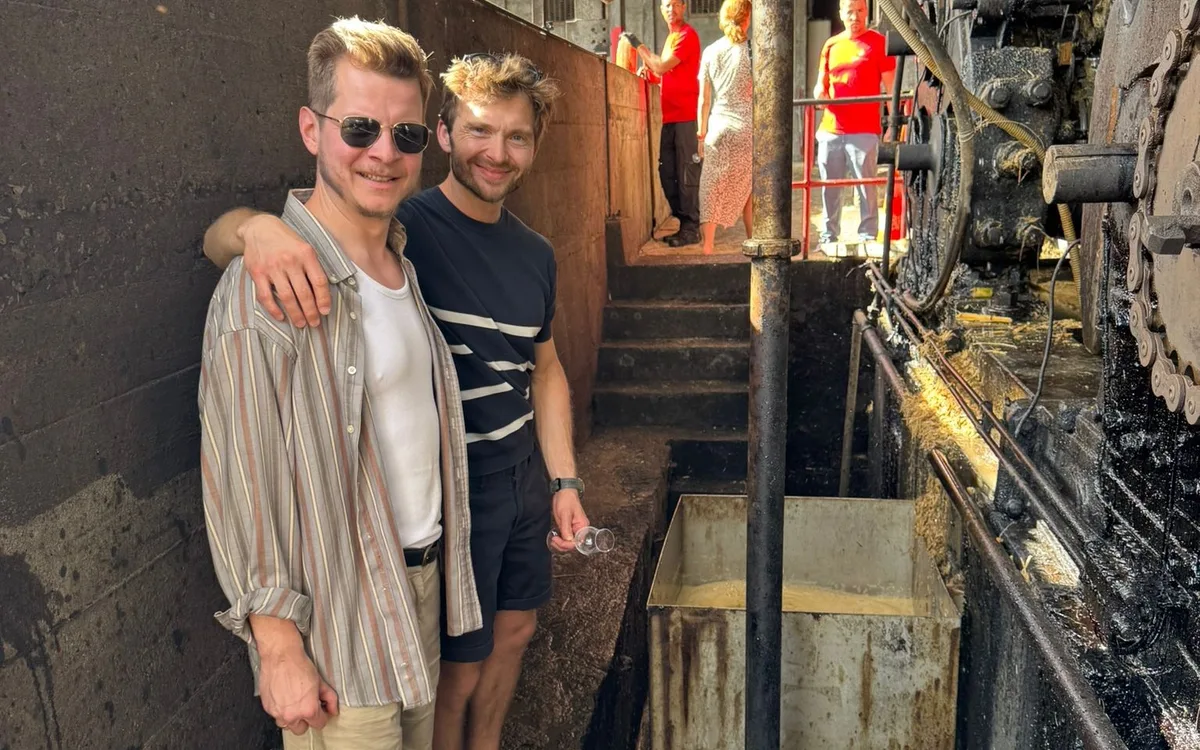
Distilia bottles some of the oldest rum still in existence and charges accordingly. So we asked the questions that follow from that: who really picks the cask when someone else's name is on the label, how it feels to watch a bottle you chose to be drunk get flipped unopened, and whether a house built on four-figure bottles has anything to offer everyone else. Bagiński answered all of them. His words, edited only for length and punctuation.
I vividly remember the day a friend poured me a glass of Caroni 17 Year Old. It completely blew my mind, although it definitely wasn't love at first sip. What it did was make me realise there was an entire universe I hadn't even known existed, the world of aged rum.
I decided to dive deeper and explore some of the most respected, highest-rated rums to see whether they could truly compete with the whiskies I loved. You already know how that story ends. We fell head over heels for the category and began hunting for the finest casks and bottles we could find.
In a nutshell, our job is to hunt for treasures. We do exactly what most aficionados do, we keep searching for spirits we love, just on a slightly larger scale. They hunt for bottles, we hunt for casks.
Because we're not distillers, we're not tied to any particular style, category, distillery or country of origin. We have the freedom to explore the entire world of spirits in search of exceptional casks that excite us and, above all, our clients. Over the years we've learned that as our journey continues, our tastes, expectations and desires evolve. That's why our model gives us the flexibility to evolve with them, rather than being confined to a single house style.
We also love travelling to new places and discovering the history, traditions and people behind the distilleries. As independent bottlers, we can flirt with everyone, no commitments. How cool is that?
Not at all. In fact, I hope the story behind the bottle is just as compelling as the liquid itself. I see every bottle as a canvas, a medium through which we can tell fascinating stories while presenting an exceptional spirit.
The story should never replace the quality of what's inside, it should enhance it. Together they create a much richer experience and allow people to connect with the product on many different levels.
I know this will sound cliche, but our products are made to be shared. So why not share the creative process as well? That's one reason.
The other is that Rob and Pietro are not just business partners, above all they're great friends. They were the ones who helped us understand and truly appreciate rum when we first entered what was then a completely new category for us. It felt only natural to continue that journey together.
Last but not least, there's their expertise. The people we choose to work with are, without a doubt, among the most knowledgeable and respected experts in the world of rum and spirits. We learn from them constantly, and I believe our products are better because of it.
The answer isn't that simple, because it depends on the particular cask and the project.
In many cases, our collaborators choose from casks we already own. That means the initial selection was made by us when we decided to acquire the casks, often years before they were bottled. We then present a selection from our inventory to Rob or Pietro, who choose the casks they believe best fit the concept of the series. In that sense I think the term co-selection is entirely accurate. A great example is our Rum of the Year 2024, the Long Pond 1983 from The Sins. We had owned that cask for several years before Rob selected it for the project.
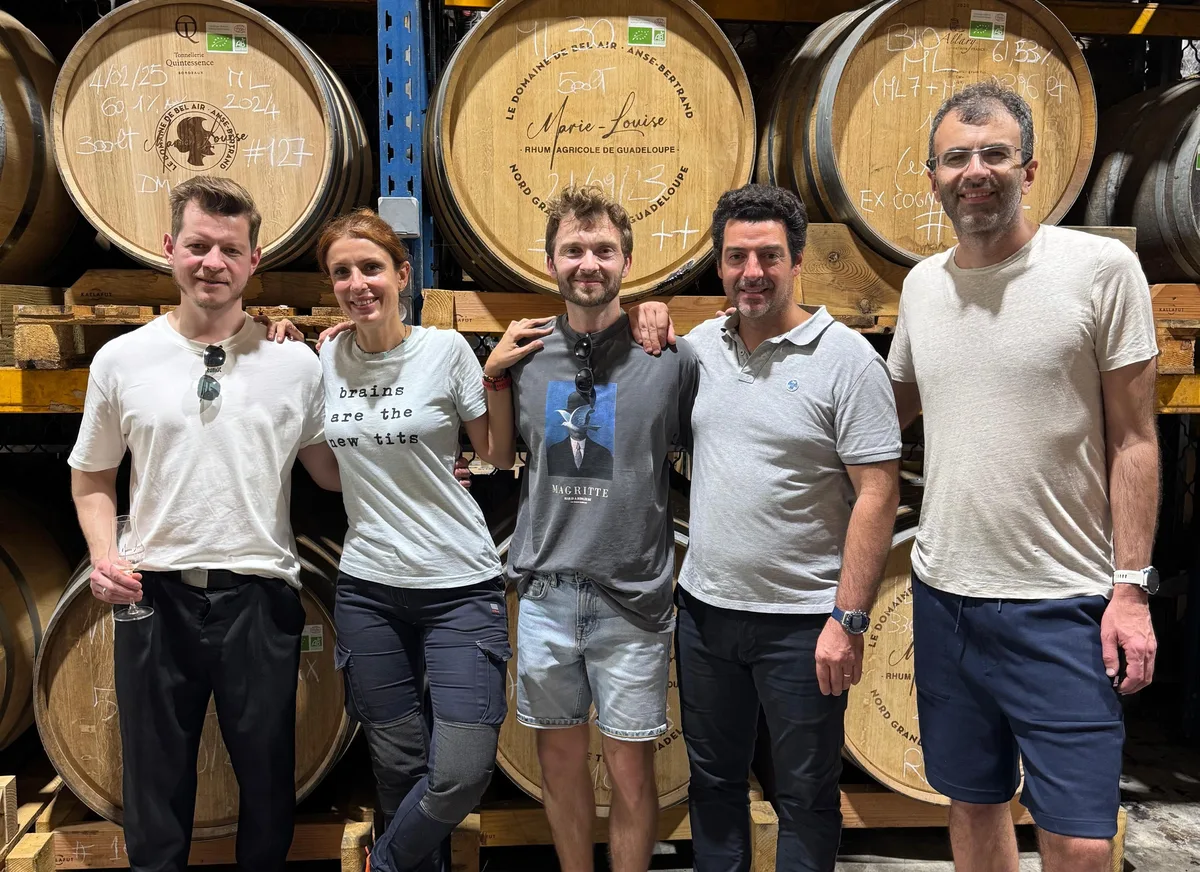
There are also projects where the selection starts from scratch. In those cases we taste samples together and decide collectively which cask to acquire. That was the case with our Lheraud Cognac and one of our latest RRL releases, which Rob, Piotr and I selected together during a visit to a warehouse in Cognac, or Marie-Galante. Take our latest release, The Virtues Patience: Rob blind-tasted more than 60 armagnac samples before choosing the one for the project. It took him almost a month to identify the winning cask.
So the process isn't always identical, but the names on the labels represent genuine involvement, not simply an endorsement.
If you like apples, you can still like oranges, right? For me it's all about freedom of choice. I became a rum lover after spending many years as a whisky enthusiast. Our palates evolve over time, and the world of spirits has so much to offer, so why limit yourself to a single category? Explore, stay curious, and enjoy the journey.
The more we tasted, the more we realised that the idea of a truly great spirit is surprisingly universal. Whether it's rum, whisky, cognac, armagnac or calvados, the same qualities matter: complexity, balance, texture, length, alcohol integration and character. Those are not category-specific, they're the hallmarks of exceptional spirits.
Take our HD 1983 as an example, sorry for the product placement. RumX calls it Excellent, but what's interesting is that people with very different preferences tend to agree on its quality. That suggests there are certain benchmarks of excellence that transcend categories.
That was the idea behind The Sins. We wanted to curate seven benchmark spirits from seven different categories and invite people to compare them, not to decide which category is best, but to discover what greatness looks like in each of them. It's a bit like comparing masterpieces by different painters. You don't have to choose between Rembrandt and Monet to appreciate both. And who knows, you might discover, just as we did, that some days call for a rum, others for a cognac, a whisky, an armagnac or a calvados. Seven sins for seven days of the week? Just remember to enjoy them responsibly.
I'd say it's a mixture of all three. Relationships matter, experience matters, and yes, sometimes it's about being in the right place at the right time.
We've been doing this for almost 15 years now, and I suppose that's the reward for committing yourself to something for long enough. Over time you build trust, people get to know what you're looking for, and opportunities begin to find you as much as you find them.
That said, none of it would be possible without the incredible people we've had the privilege of meeting along the way. So a big thank you to all our friends in the world of spirits.
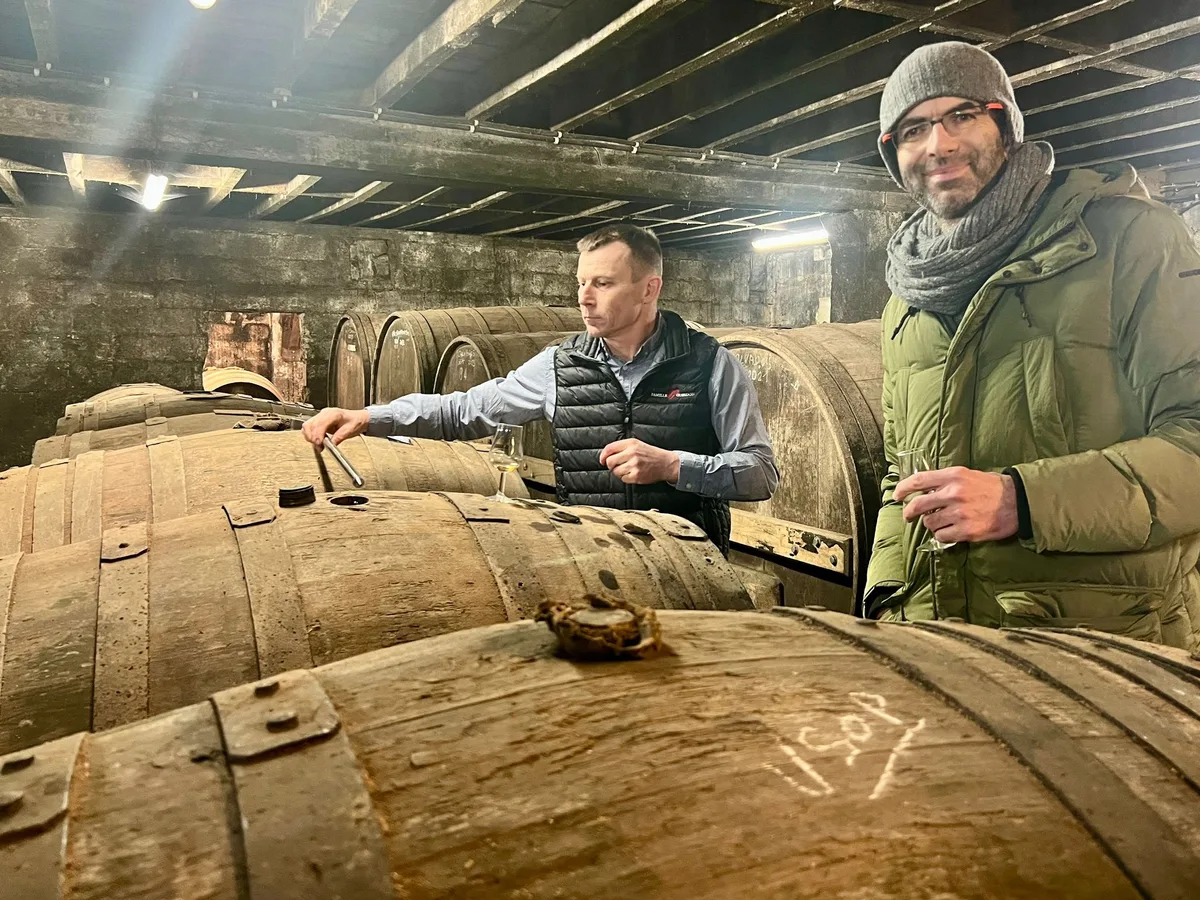
We somehow knew the idea of the seven deadly sins had the potential to be successful from the very beginning. Well, perhaps hoped is a better word, and fortunately it turned out that way. Since the concept was inspired by Dante Alighieri's Divine Comedy, we always knew that The Virtues would naturally follow. The two series were conceived as companions from the outset, not as a sequel created because The Sins sold well.
As for avoiding a formula, I think that's where our freedom as independent bottlers comes into play. Every release tells a different story, explores a different spirit and brings together different people. The framework may stay the same, but the content is always new. And judging by our customers' reactions, they seem to enjoy discovering different categories within a familiar concept. We'd certainly like to continue that approach to an extent, as long as it keeps inspiring us and our audience alike.
It's a difficult question because there are several aspects to consider. First and foremost, we simply love exceptional spirits. And exceptional quality comes at a price. Once you add rarity, provenance and uniqueness, a particular distillery, vintage or cask, the price inevitably increases.
Having bottled extraordinary spirits such as our Long Pond 1983 or Savanna 2008, it's difficult to lower your own standards. Of course it's impossible to release unicorns all the time, but we always strive to maintain the same philosophy of quality, and that naturally influences our pricing. We've also never wanted to compete on price. We'd much rather compete on quality, design, storytelling and customer experience. That naturally positions us at the premium end of the market.
That said, Distilia isn't meant to be exclusive for the sake of being exclusive. We know not everyone wants, or is able, to spend 500 € or 1,000 € on a bottle. That's exactly why we're about to introduce a new range called Distilia Essentials, offering outstanding spirits at a more accessible price point. We hope that will allow more people to discover what Distilia is all about.
Thanks for asking, because I know some people criticised the idea, assuming we were simply trying to drive prices up. In reality it was quite the opposite. One of the conditions of our partnership with Catawiki was that every bottle would be offered with no reserve price. We wanted everyone to have an equal opportunity to buy a bottle at its true market value, even if that value turned out to be just 1 €. Fortunately that never happened, but we were prepared to take that risk.
The second reason was straightforward: brand building and reaching a completely new audience. Catawiki has an incredible international community of collectors and enthusiasts, many of whom had never come across Distilia before. Looking back after a few years, I have no doubt it was the right decision. It has been a genuine win-win, for us, for Catawiki and for our customers.
And interestingly, we've found that many of the winning bidders are genuine enthusiasts who open and enjoy the bottles rather than treat them as investments. Auctions simply allow the market to determine the price, they don't determine what people do with the bottle afterwards. For anyone reading this, here's a little tip: our bottles sometimes sell at remarkably competitive prices, so it's worth keeping an eye on our auctions.
No one knows the exact numbers, but to the best of my knowledge a large proportion of our bottles are actually opened and enjoyed. Naturally, not everyone wants or can afford to spend several hundred euros on a bottle, which is why communities like RumX are so valuable. I regularly see our bottles being cracked open and shared among enthusiasts as so-called splits, and I love that. That's exactly what they were bottled for.
And if some bottles end up being kept as collectors' items, I take that as a compliment. I completely understand why people choose to keep certain bottles unopened. For the same reason, my heart sinks every time I open one of the last few bottles of Lheraud 1980 that I keep in my own cellar. Some releases are genuinely once-in-a-lifetime, and I can imagine that in ten or twenty years they'll be appreciated even more, not necessarily because they'll be worth more, but because there will be so few left to experience.
At the end of the day, once a bottle leaves our warehouse it's no longer ours. It belongs to the person who bought it, and they should enjoy it in whatever way gives them the most satisfaction.
The community of spirit lovers is remarkably open-minded and welcoming. In my experience, people don't care where you're from, they care about what's in the bottle. If the quality is there, you'll earn their respect regardless of your passport.
In fact, one of the things I love most about this industry is that it brings together people from all over the world who share the same passion. That's always mattered far more than geography.
I don't want to say I value one more than the other, every accolade matters. But there is something special about recognition that comes directly from the community, from the people who actually open and drink our bottles.
Their feedback is invaluable. It helps us create better products, seek out even better casks and continue improving. Thanks to RumX that feedback is also immediate, and in many cases very personal, as we actually know many of the people who leave their reviews.
And yes, if I'm allowed a little moment of vanity, it's also incredibly rewarding. Knowing that people genuinely appreciate what we do gives us the motivation to work even harder.
That's exactly what makes the rum category so exciting. You can still find incredible rums at very reasonable prices, and thank God for that.
Our HD 1983 offers a completely different experience from the younger, funkier expressions, and that's the beauty of it. The elegance, depth and balance came with age. Some people will fall in love with that style, others will always prefer the explosive character of young Hampdens. And that's perfectly fine.
If you're asking whether it's worth the money, my answer is: hell yes. It's a time machine. It takes you on a journey through the history of rum. It's a tangible piece of Jamaica's rum heritage, and there are very few elegant rums of this age still in existence. That's what makes it so special.
Let me add one more thing. I'm a car guy, I love vintage cars. Not because they're objectively better, in many ways they aren't. Modern cars are safer, more comfortable, more efficient and technically superior. But to me they often lack that intangible X factor. Some people understand exactly what I mean, others don't. Again, that's perfectly fine. For me, old rum is the same. A young Hampden can be thrilling, just as a modern sports car can be breathtaking. But every now and then you want to experience something different, more mature, more subtle, or elegant. If you can, I wouldn't choose between them, I'd enjoy both.
We'll certainly remain focused on fine and rare spirits. That's in Distilia's DNA and it's not going to change. At the same time, we want to explore new territories and welcome more people into our world.
Did I mention Distilia Essentials already? That range is our way of offering more accessible bottles without compromising on quality. The price point may be different, but our standards won't be.
Once you reach the top of one mountain, you realise there are countless others waiting to be climbed. We stay hungry because we believe there are always even finer treasures still to be discovered.
As for a particular white whale, I'd rather not name one. Some of the best casks we've bottled came from opportunities we never expected, while some of the ones we chased for years simply never happened. That's part of what makes this business so fascinating. The search never really ends, and I hope it never does.
Domaine de Courcelles 1972, 54 percent. It's incredibly special to me because it was the bottle that made me realise how extraordinary rum could be. Looking back, it was probably the beginning of everything that followed. And I know for a fact I'll never sell my bottle, it's already open.
I'd also love to keep one bottle of every Distilia release, but I know that's impossible. The temptation to open them is simply stronger than my will to keep them sealed.
Jamaica. Unaged white rhum agricole. Tropical ageing.
Free on iOS and Android.