
Aged & Dark Rum: The Best Bottles Compared
Aged rum is where the spirit earns its complexity. In a tropical warehouse a barrel loses 6 to 10 percent of its contents to evaporation every year, which is why an 8-year Caribbean rum can taste deeper than a 20-year Scotch. This page gathers every rum on RumX that has spent real time in wood, with community ratings to separate the genuinely mature from the merely dark.


RumX market intelligence
As of September 2026
- Community score
- 8.0/10
- ratings
- 276,933
- bottles catalogued
- 16,130
- available to buy now
- 4,683
Popular aged rums
Added to the most collections recently.
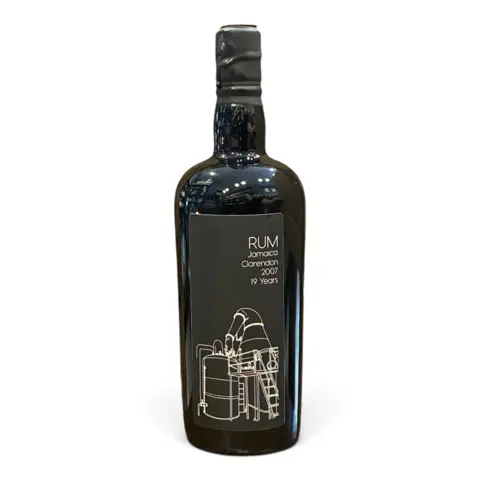
The Bottle Shop Clarendon Jamaica Rum 2007
 The Bottle Shop Clarendon Jamaica Rum 2007
Cask-strength Clarendon: glue, solvent, menthol
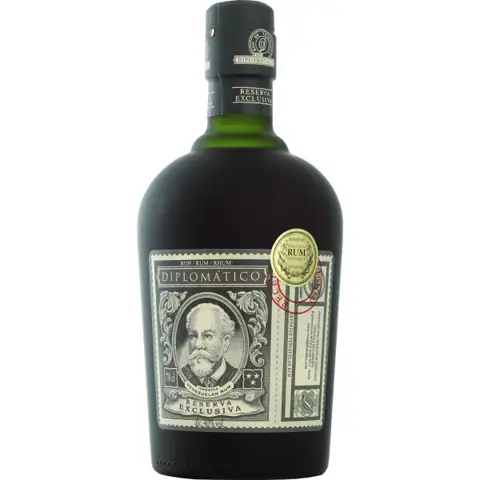
Diplomático Reserva Exclusiva
 Diplomático Reserva Exclusiva
Sweet, mild starter rum that many outgrow
Foursquare Wagemut PX-Cask
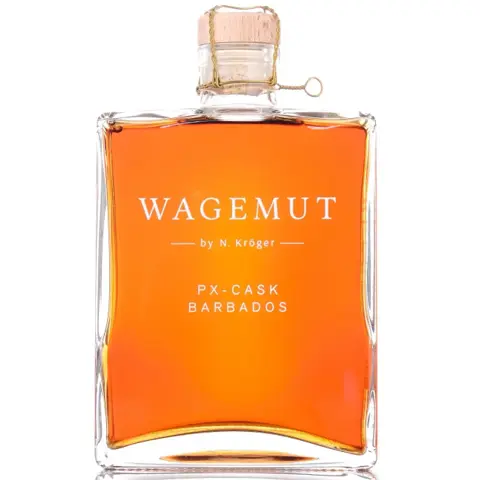 Foursquare Wagemut PX-Cask
Sweet, soft sherry-cask Barbados everyday sipper
T.D.L Planteray One Time Limited Edition Trinidad TDL 2003
 T.D.L Planteray One Time Limited Edition Trinidad TDL 2003
Fresh minty Trinidad, easy 22-year sipper
Foursquare ECS XXI 2010
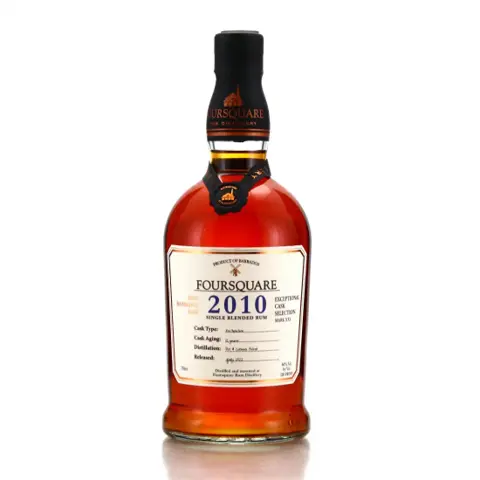 Foursquare ECS XXI 2010
Coconut-heavy, rounded Barbados sipper at 60%
Rumclub Private Selection No. 66 1988
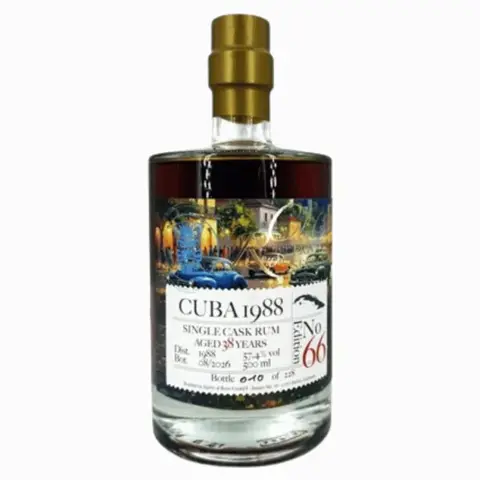 Rumclub Private Selection No. 66 1988
Old, woody Cuban sipper with dried fruit and cocoa
Romdeluxe Hampden Wild Series Rum No. 71 HGML 2021
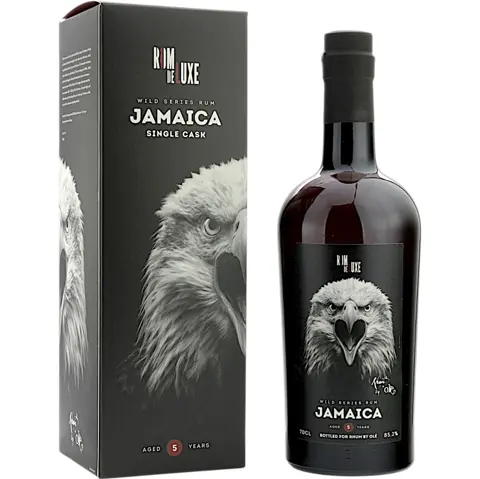 Romdeluxe Hampden Wild Series Rum No. 71 HGML 2021
DDL El Dorado High Ester Blend LBI/DHE 2012
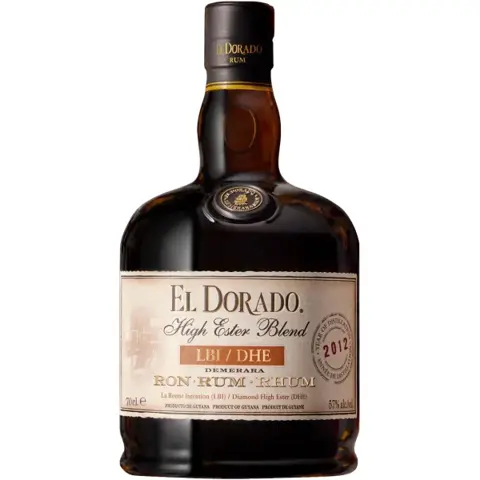 DDL El Dorado High Ester Blend LBI/DHE 2012
Rich chocolate Demerara, not the ester bomb
English Harbour 5 Years
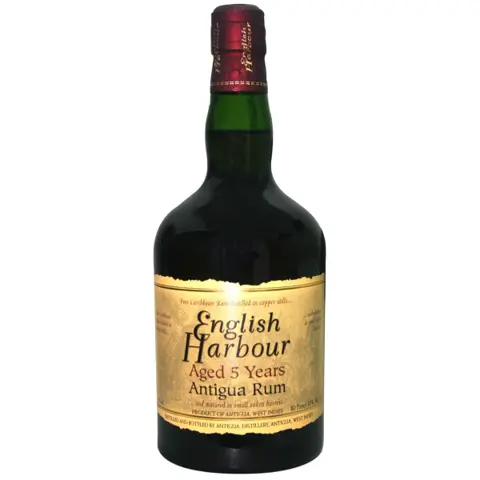 English Harbour 5 Years
Balanced everyday sipper, caramel and oak
Community reviews: aged rums
Review by zabo

Kompliment an Stefan vom Bottleshop wieder ein gute Fassauswahl, was ihr hier getroffen habt. Für den hohen ABV ist der Alkohol schon gar nicht so schlecht eingebunden. Ein klasse Clarendon, freue mich schon drauf, wenn meine Flasche demnächst eintrifft.
Review by Kevin Sorensen 🇩🇰

#7254 29.08.2026 Tasted at the German Rum Festival 2026. A very nice rum with an OK price tag. Intense profile but has natural sweetness to it at the same time. My quick notes from tasting. Ester, woody, roasted, overripe, fruity, polish, glue, metallic, spice.
Review by Kevin Sorensen 🇩🇰
#7237 30.08.2026 Tasted at the German Rum Festival 2026. Atypical Barbados with a very nice kick to it. The C1 is very light in comparison. Fruity and lightly spicy with nice caramel and roasted wood and a touch of pepper. I like these Foursquare that run off a bit. Needs …
Review by Kevin Sorensen 🇩🇰
#7228 29.08.2026 VIP tasting at the German Rum Festival 2026. A very good and warm profile and the price tag is pretty OK for such an old rum. My quick notes while tasting. Caramel, spice, polish, dried fruit, orange, peppery, warm, spicy, chocolate, leather, roasted wood, …
Review by Gunnar Böhme "Bauerngaumen" 🤓

Farmer's saying from the "Farmer's palate" (now the amateur even starts to rhyme ...🫣 🤣): If you’re into mint, power, and barrel, then you’ll find this rum seriously awesome! 😎 But now, seriously: Pleasantly subtle, less upfront mint than the average 2001 to 2003 TDL, but more …
Review by Tim

Wow, the last of the ECS. The oldest Foursquare in the series at 19 years. Bourbon-only. The nose is perfect, very round and balanced: vanilla, caramel, fruit, roasted notes, wood, milk chocolate. Tastes delicious, smooth and somewhat... weak?! The finish could be longer, but …
Review by Tim
After finding out that Guyana rum without added sugar was on offer here, as a Guyana fan I simply had to try it. It was more than worth it. Roasted coffee with caramelized fruit and chocolate shavings. For me, this is THE rum profile par excellence. A little more mature and …
Review by crazyforgoodbooze

Great nose of red grapes, coconut, dried as well as fresh fig, roasted nuts, and cookie dough. On the palate, then slightly salty, spicy, heavy, and thickly oily. Very intense and really lays thick on the tongue. The Cognac finish also complements the typical well-known …
Find your rum
The community's favourite for every occasion, from 320,000 ratings — next to it every bottle that fits.
- Sipping neat West Indies Planteray Extra Old XO 20th Anniversary 7.9/10 2,698 reviews
- Cocktails & mixing Bumbu The Original 7.0/10 2,078 reviews
- Tropical & funky Hampden Pure Single Jamaican Rum 7.2/10 1,614 reviews
- Mature & oaky Plantation O.F.T.D. Overproof 7.0/10 1,846 reviews
Browse all aged rums
Explore our complete collection. Filter by price, rating, distillery, age, and more to find your perfect rum.
Filters
Foursquare Wagemut The Origin (RumX Co-Bottling) 2026
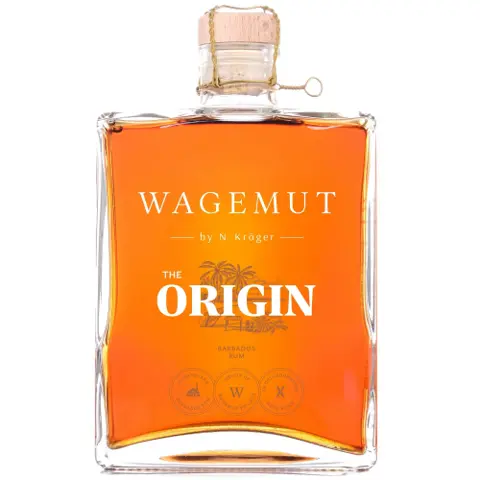 Foursquare Wagemut The Origin (RumX Co-Bottling) 2026
Dry, honest cask-strength Foursquare
The Bottle Shop Clarendon Jamaica Rum 2007
The Bottle Shop Clarendon Jamaica Rum 2007Cask-strength Clarendon: glue, solvent, menthol
Diplomático Reserva Exclusiva
Diplomático Reserva ExclusivaSweet, mild starter rum that many outgrow
Foursquare Wagemut PX-Cask
Foursquare Wagemut PX-CaskSweet, soft sherry-cask Barbados everyday sipper
T.D.L Planteray One Time Limited Edition Trinidad TDL 2003
T.D.L Planteray One Time Limited Edition Trinidad TDL 2003Fresh minty Trinidad, easy 22-year sipper
Foursquare ECS XXI 2010
Foursquare ECS XXI 2010Coconut-heavy, rounded Barbados sipper at 60%
Rumclub Private Selection No. 66 1988
Rumclub Private Selection No. 66 1988Old, woody Cuban sipper with dried fruit and cocoa
Romdeluxe Hampden Wild Series Rum No. 71 HGML 2021
Romdeluxe Hampden Wild Series Rum No. 71 HGML 2021DDL El Dorado High Ester Blend LBI/DHE 2012
DDL El Dorado High Ester Blend LBI/DHE 2012Rich chocolate Demerara, not the ester bomb
English Harbour 5 Years
English Harbour 5 YearsBalanced everyday sipper, caramel and oak
West Indies Planteray Extra Old XO 20th Anniversary
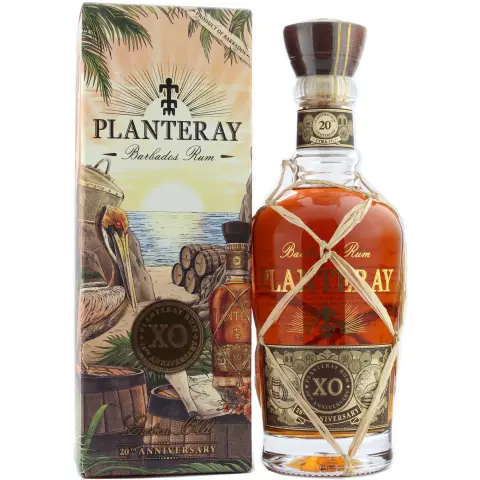 West Indies Planteray Extra Old XO 20th Anniversary
Sweet, coconut-heavy gateway rum
South Pacific Plantation Fiji One-Time 2004
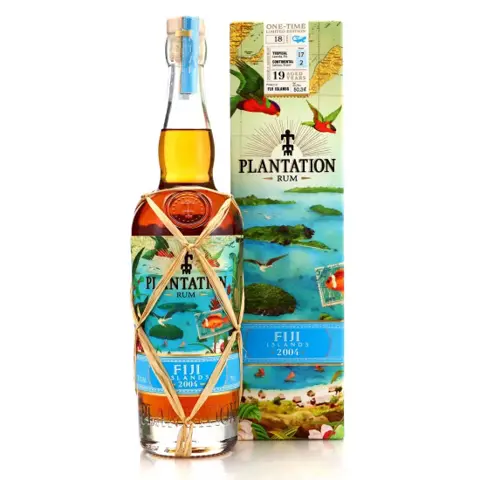 South Pacific Plantation Fiji One-Time 2004
Soft, woody-sweet aged rum, not classic Fiji
Foursquare ECS XXVII Equidem 2010
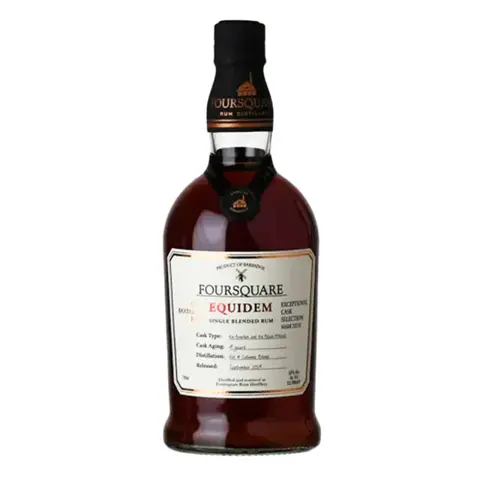 Foursquare ECS XXVII Equidem 2010
Dark, berry-rich Foursquare with cask-strength kick
CoR Uitvlugt Guyana No. 6 1997
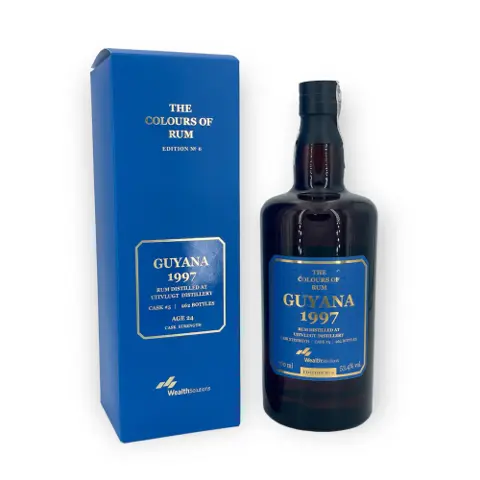 CoR Uitvlugt Guyana No. 6 1997
Light, round Uitvlugt that runs a bit thin
CoR Hampden Jamaica HD <>H 2013
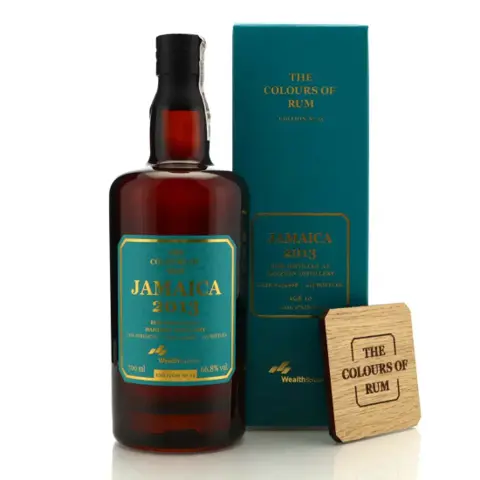 CoR Hampden Jamaica HD <>H 2013
Intense, salty, ester-heavy Hampden bruiser
CoR Long Pond Jamaica No. 8 LPS 2001
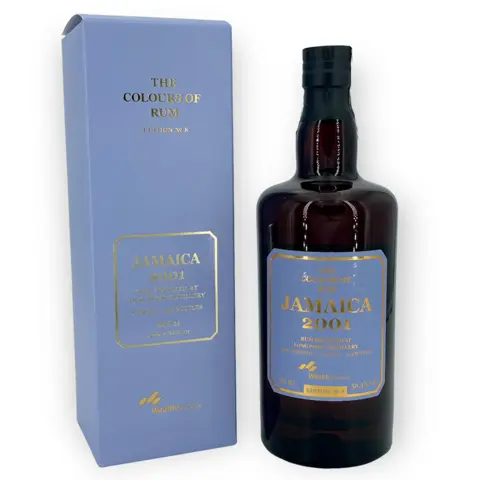 CoR Long Pond Jamaica No. 8 LPS 2001
Fruity, funky Jamaican with a lighter palate
CoR South Pacific Fiji 2001
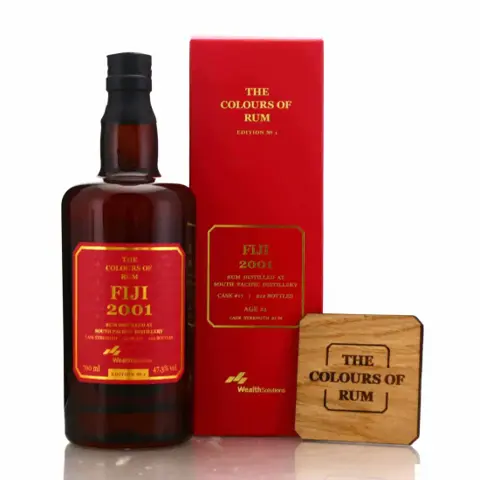 CoR South Pacific Fiji 2001
Great ester nose, light dry palate
Velier Foursquare Indomitas 2010
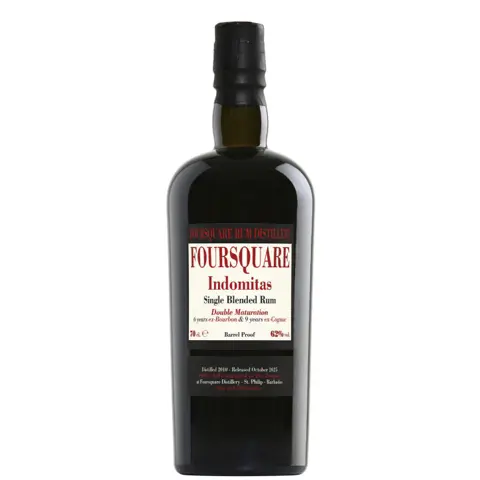 Velier Foursquare Indomitas 2010
Rich Foursquare with a cognac-cask twist
T.D.L Rumclub Private Selection Ed. 65 2010
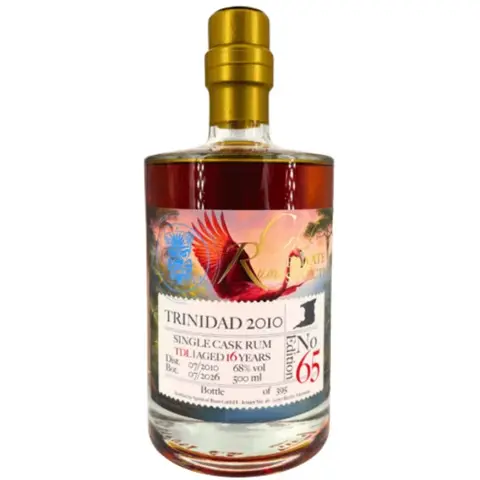 T.D.L Rumclub Private Selection Ed. 65 2010
Powerful 16yr TDL, wood over mint, runs hot
Foursquare Doorly's 14 Years
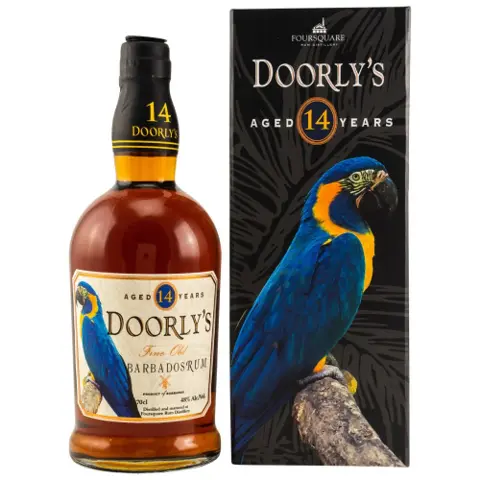 Foursquare Doorly's 14 Years
Balanced Barbados daily sipper, oak and coconut
Ron Zacapa Sistema Solera 23
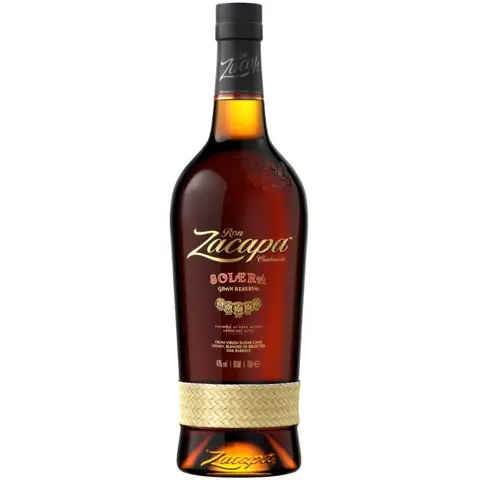 Ron Zacapa Sistema Solera 23
Soft, very sweet caramel-vanilla beginner sipper
DDL El Dorado 15 (2020 Release)
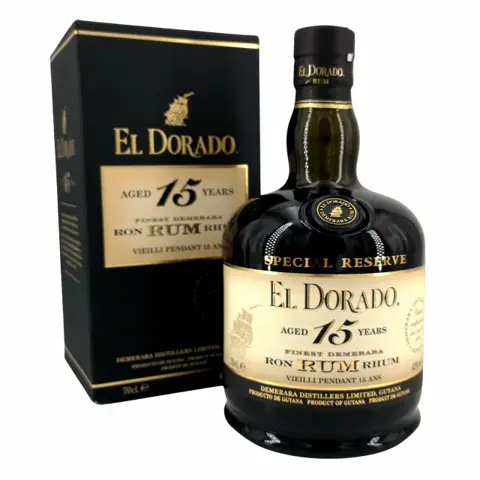 DDL El Dorado 15 (2020 Release)
Easy Demerara daily sipper, wood-forward
Mount Gay XO - Triple Cask Blend
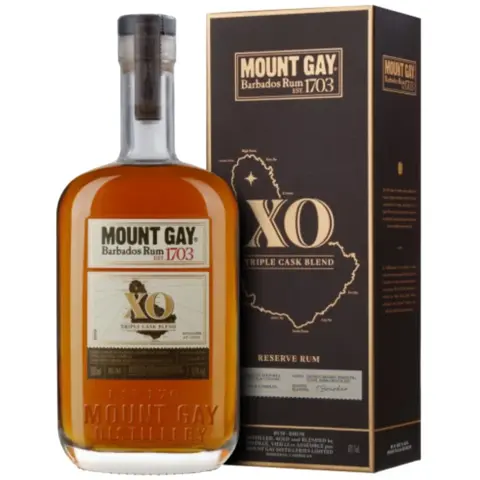 Mount Gay XO - Triple Cask Blend
Smooth, coconut-vanilla everyday Barbados sipper
Albion El Dorado Rare Collection AN 2004
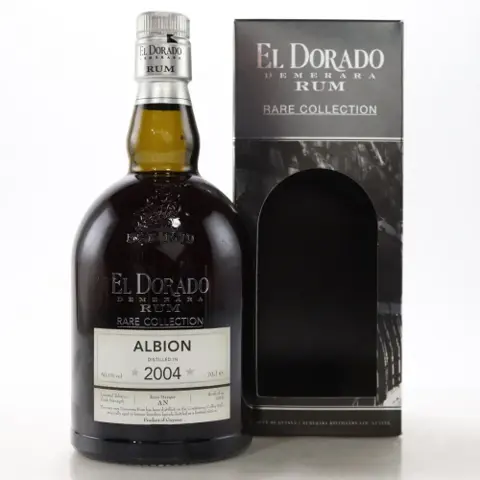 Albion El Dorado Rare Collection AN 2004
Rich, oily Demerara: chocolate, caramel, oak
Bumbu The Original
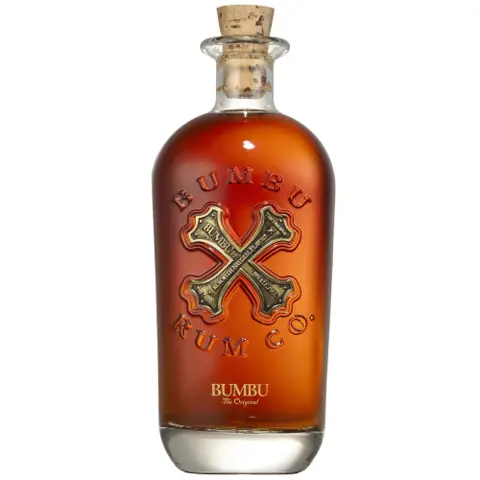 Bumbu The Original
Very sweet, banana-candy dessert rum
Don Papa Quincentennial Edition (2025 Release)
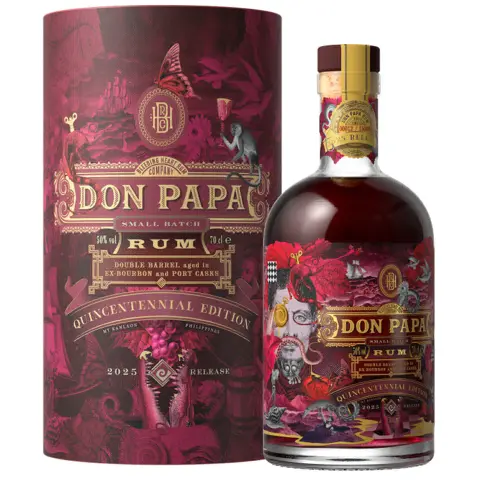 Don Papa Quincentennial Edition (2025 Release)
Dark, port-forward sipper heavy on dried fruit
Foursquare ECS XXVIII Convocation 2010
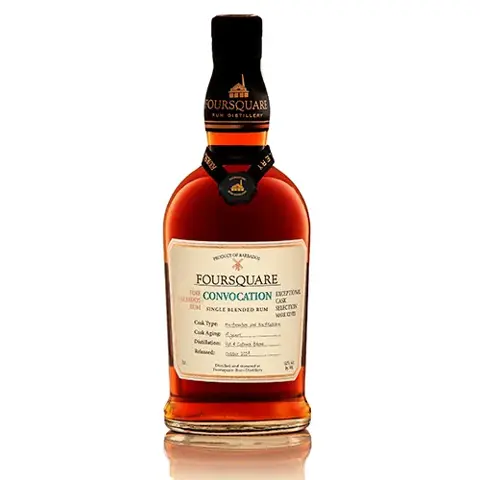 Foursquare ECS XXVIII Convocation 2010
Balanced 14-year Barbados with Madeira roundness
Rhum J.M 2013
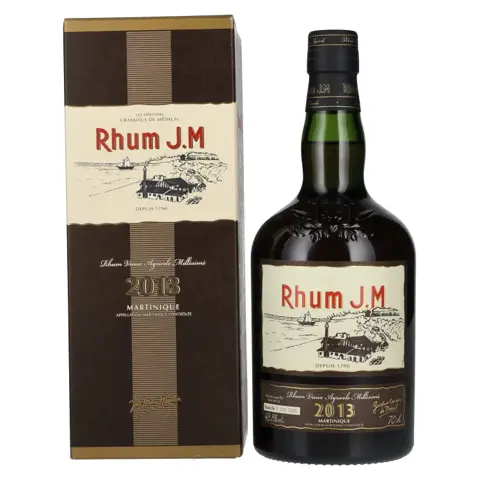 Rhum J.M 2013
Elegant, woody Martinique agricole with dried fruit
Foursquare ECS XXXI Epilogue 2026
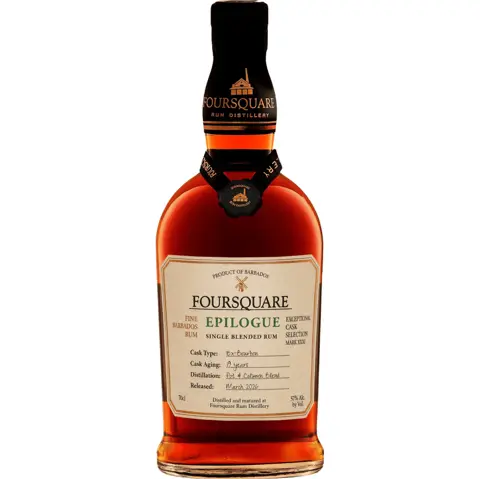 Foursquare ECS XXXI Epilogue 2026
Dry, oaky 19-year Foursquare, no gimmicks
Ron Zacapa Centenario XO Solera (3. Edition)
 Ron Zacapa Centenario XO Solera (3. Edition)
Soft, sweet dessert sipper for slow evenings
No rums found matching your criteria
Try adjusting your search criteria or clearing some filters.
The RumX Guide to aged rums
What counts as aged rum
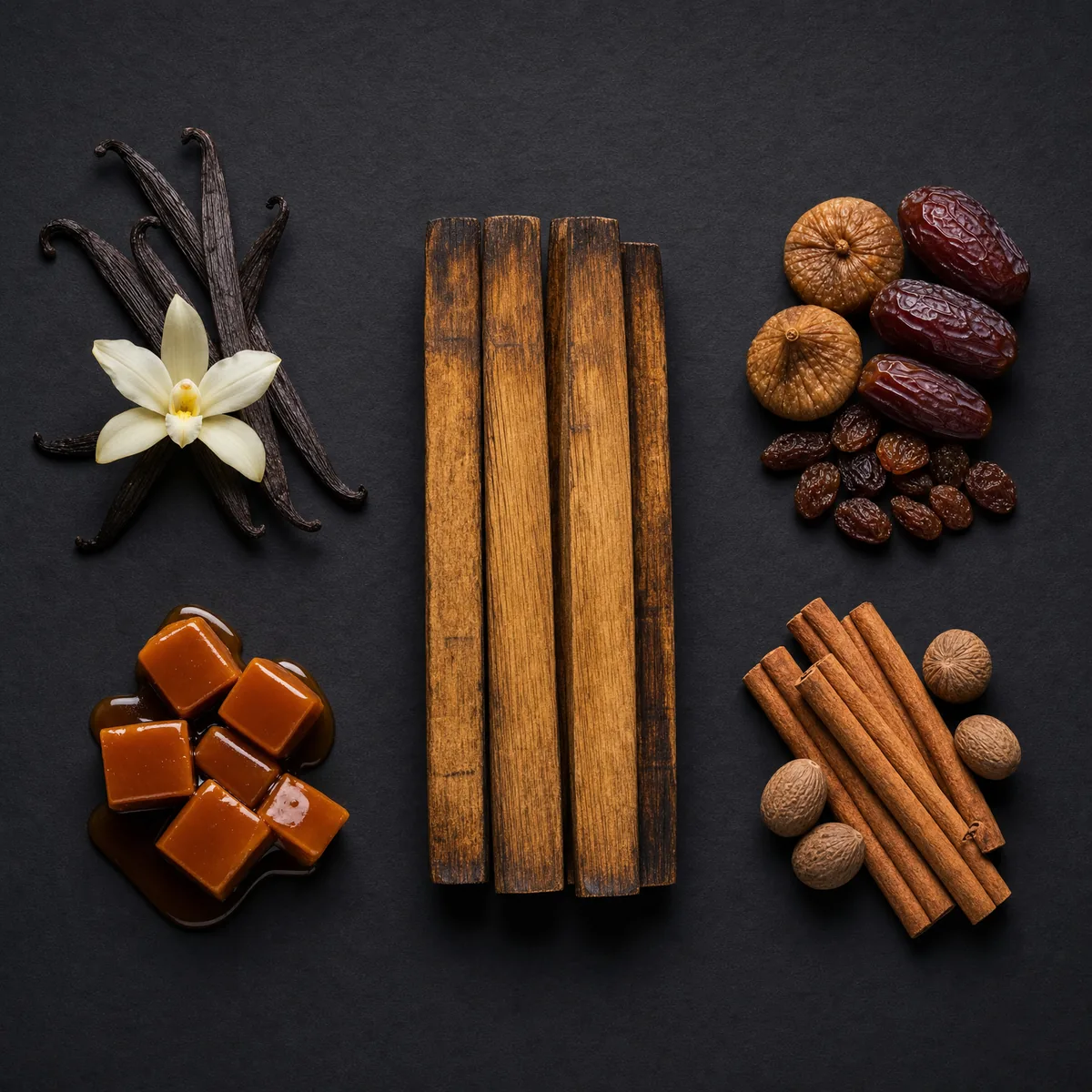
Everything on this page has spent time in oak, from a few months to several decades. There is no global minimum: Martinique demands three years for a rhum vieux, Venezuela requires two for anything called ron, and many countries set no floor at all. The barrel does two jobs at once. It adds vanilla, caramel, spice and tannin from the wood, and it slowly oxidises the raw spirit, rounding off sharp edges that no blending trick can hide.
Aged rum and white rum: what actually separates them
The honest answer is time in wood, and everything else follows from it. A white rum either never saw a cask or was filtered clear afterwards, so what you taste is the distillate itself: cane, citrus, pepper, a certain brightness. An aged rum has spent years pulling vanilla, caramel, tannin and spice out of oak while the harsh edges oxidise away. That is why a white rum reads as sharper and an aged one as rounder, even at identical strength.
The practical consequence is where each belongs. White rum holds its own against lime and sugar, which is why the daiquiri and the mojito are built on it. Aged rum brings its own wood and sweetness to the glass, so it either goes neat or into drinks built around the spirit rather than against it. Neither is the senior category. They answer different questions, and most people who drink rum seriously keep both open.
Where the colour comes from, and why it tells you little
Dark does not mean old. A rum gets its colour from three different places and only one of them is time. Oak gives colour as it gives flavour, so a long-aged rum does darken. But the cask matters as much as the years: an ex-sherry or ex-port cask colours far faster than a tired third-fill bourbon barrel. And then there is caramel colouring, legal, widespread and imperceptible on the palate at the doses used, which exists precisely so that every bottle in a batch looks the same.
Our own catalogue makes the point better than any rule of thumb. Kraken Black Spiced is about as dark as rum gets and carries two years, at a community median of 5.0 across more than a thousand ratings. Smith & Cross has three years and sits at 7.7. Mount Gay XO has seventeen and sits at 7.8. If colour were the signal, that order would look very different. Read the age statement, the strength and the ratings instead, and if additives are what you care about, our unsweetened rums page filters on measured sugar rather than on looks.
Tropical vs continental aging
Where the barrel sits matters as much as how long. In the Caribbean heat the spirit works deep into the wood and the angels' share runs at 6 to 10 percent a year, against 1 to 2 percent in a European cellar. The rule of thumb in the industry: one tropical year delivers roughly the maturation of three to four continental years. That is why independent bottlers state both where a rum was distilled and where the cask slept, and why "continental aged" rums of the same age taste leaner and more delicate. Terms like tropical aging and angels' share are explained compactly in our rum glossary.
How to read an age statement (and when not to trust the number)
In the British-Caribbean tradition (Barbados, Jamaica, Guyana under the CARICOM standard) the number on the label is the youngest rum in the blend. An Appleton Estate 12 contains nothing younger than 12 tropical years. Spanish-style producers often use solera numbers instead: in a bottle like Zacapa 23 the figure points at the oldest components of the solera, not a minimum age. Neither approach is a scandal, but they are not comparable numbers, and the price tags often pretend they are.
Four aged styles worth knowing
Start with the map, not the shelf. Barbados blends pot and column still into balance, with Mount Gay XO as the textbook. Jamaica ages high-ester pot-still rum into tropical fruit and funk, see Appleton Estate 12. Guyana delivers dark, dense demerara rums like El Dorado 15 from stills that are centuries old. And modern cask-curious producers like Foursquare layer ex-bourbon with sherry, port or madeira casks, as in Foursquare ECS XVII. Want to go deeper? Start with Jamaica, Barbados and Guyana.
Aged rum in the glass and in the shaker
Neat is where an aged rum earns its price. Room temperature, a tulip glass rather than a tumbler, and a few minutes standing before the first nose; ice mutes exactly the aromatics you paid for. A drop of water is worth trying above 45 percent, where it opens the wood notes rather than diluting them.
In cocktails, aged rum is the spirit-forward option. A rum old fashioned needs a bottle with enough body to survive sugar and bitters, and something like Doorly's XO does it without collector pricing. A Mai Tai traditionally splits two aged rums, a funky Jamaican against a rounder Barbadian, and Smith & Cross is the reference for the Jamaican half. For a Dark 'n' Stormy you want something dark and dense against ginger beer, where a blend like Black Tot 5 works well. As a rule: keep the twenty-year-old for the glass and mix with something in the twenties or thirties. If you want a ranked view of what to buy rather than what to pour, our best rums list is the place for that.
And when winter comes: which robust rum holds its own in mulled wine is a question our community has road-tested over many seasons. The answers live in this thread (in German).
Most popular vs highest rated
The most-reviewed aged rums on RumX are the great gateways: Appleton 12, El Dorado 15, Mount Gay XO. The highest community scores live somewhere else, in cask-strength single casks and limited blends from Foursquare, Hampden, Caroni and the old demerara stills, where nothing is filtered, sweetened or diluted to a crowd-pleasing 40 percent. Both ends are honest. Use the ratings, not the marketing, to decide where on that ladder you want to stand.
Frequently Asked Questions about aged rums
What our community thinks about aged rums
Unlock the Full RumX Experience
Love aged rums? Get the RumX app for personalized recommendations, price alerts, and access to our community of rum enthusiasts.