
Single Cask Rum: Navigate Rare Bottlings
This is rum's top shelf: bottles averaging 250 euros and up, from closed distilleries, single casks and vintage stocks that no one can ever make again. Rarity alone does not make a rum great, which is why every bottle here carries community ratings from collectors who actually opened theirs.


RumX market intelligence
As of September 2026
- Community score
- 8.8/10
- ratings
- 29,324
- bottles catalogued
- 1,142
- available to buy now
- 906
Popular rare rums
Added to the most collections recently.
Hampden Rumclub Private Selection Ed. 32 C<>H 1990
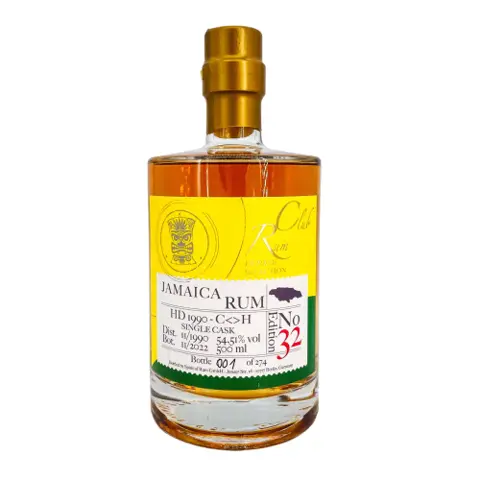 Hampden Rumclub Private Selection Ed. 32 C<>H 1990
Old Hampden that stays a fruity ester bomb
Appleton Legend 2005
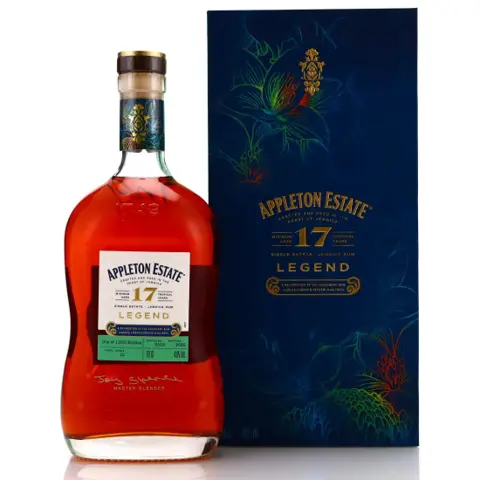 Appleton Legend 2005
Funky, fruity Appleton unlike the rest
Velier Caroni 39th Release (The Last) Heavy Trinidad Rum 1996
 Velier Caroni 39th Release (The Last) Heavy Trinidad Rum 1996
Dirty, fruity Caroni many call their best ever
Velier Caroni High Proof Heavy Trinidad Rum HTR 1994
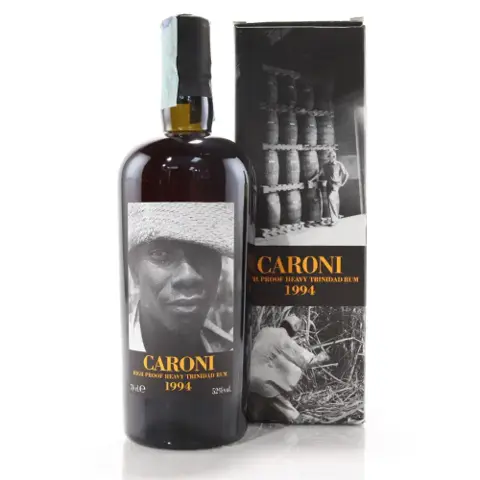 Velier Caroni High Proof Heavy Trinidad Rum HTR 1994
Dirty, tarry Caroni, slightly softened by 52%
Velier Skeldon SWR 1978
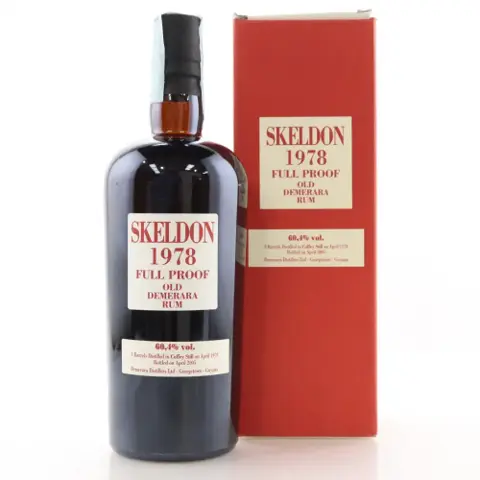 Velier Skeldon SWR 1978
Dark, intense old Demerara with big oak
Velier Caroni Heavy Trinidad Rum (Paul Ullrich) HTR 2000
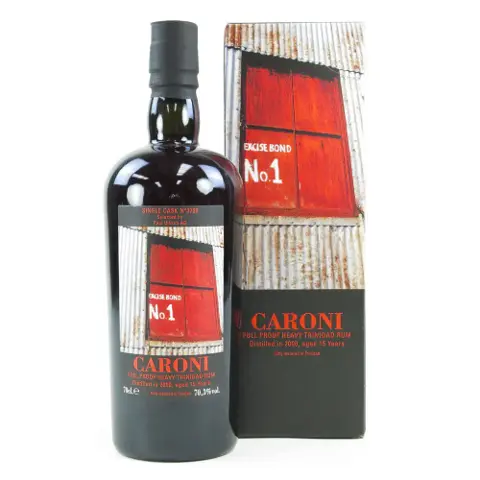 Velier Caroni Heavy Trinidad Rum (Paul Ullrich) HTR 2000
Hot, oily 2000 Caroni with tropical sweetness
Velier Bielle Rhum Rhum Libération 2010 2007
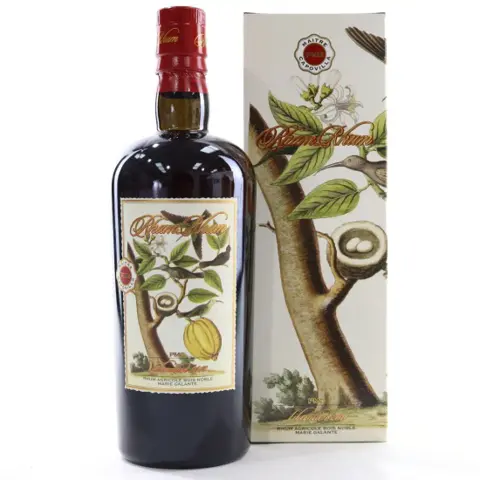 Velier Bielle Rhum Rhum Libération 2010 2007
Balanced, wood-forward citrusy agricole sipper
Velier Caroni 100% Trinidad Rum 17 HTR 1998
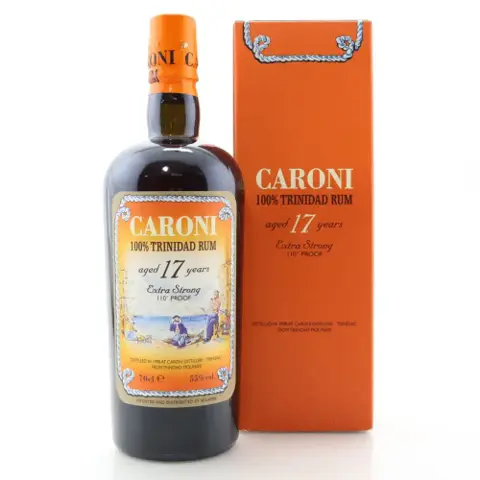 Velier Caroni 100% Trinidad Rum 17 HTR 1998
Dirty, balanced Caroni with tar and dried fruit
Valdespino Legend of Cuban Rum Pre-1962 1944
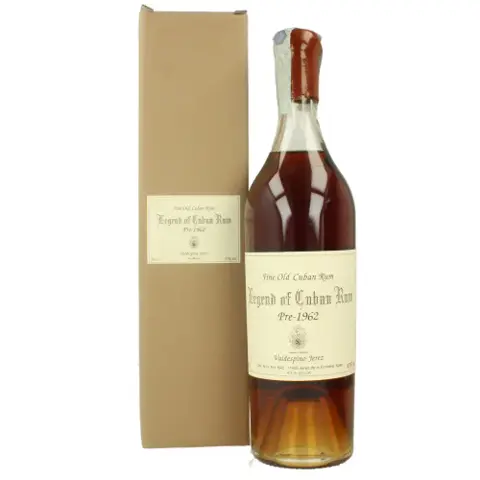 Valdespino Legend of Cuban Rum Pre-1962 1944
Sweet, chocolatey old Cuban sipper
Community reviews: rare rums
Review by Mirco

A great Caroni that combines the best from the 1996 batches in a balanced blend. Typical dirty notes such as tar and rubber meet dark fruit, spice and a deep, mature complexity. Powerful, multi-layered and full of character, a prime example of the Caroni style and definitely one …
Review by Mirco
Clear, powerful Agricole with a typical Rhum Rhum profile. On the nose, fresh sugarcane, herbs, citrus, and a bit of wood. On the palate, straightforward and intense with green cane, spice, a slight earthy note, and subtle vanilla. The nearly 60% ABV packs a punch but feels …
Review by Jakob

Absolute top representative of the REVs. Plum, leather, licorice, oak, a hint of tobacco - and all in an almost perfect balance. The REV profile, which is already inspiringly profound in itself, is in top form here. An exquisite pleasure.
Review by Tschusikowsky

Hampden bomb. There's a lot going on. Classic HD profile but at the top level. Intense like the HV C<>H. But very mild at the same time. Tastes very cool. Lush tropical fruits characterize the picture, with a slight minerality and a hint of smoke and bacon on the second sniff. …
Review by Jakob
Epic Velier Caroni Tasting 2023: Exquisite and stylish HTR representative from 1996. Rich sweetness with powerful rubber and tar notes. Balanced, drinkable and yet with rough edges. A highlight in the already impressive Employees series.
Review by Giorgio Garotti

The thing I like most about this mix is that at the 'beginning you immediately find the heaviness of PM then as time goes by is you taste it you feel more and more the more caramelized and fruity part of Diamond!Surely it is a very complex rum that will appeal to few people!But I …
Review by Rhum Mirror 🇧🇪

Velier Diamond SVW 1996 – 15Y - 64,6% Et pour finir en apothéose, the last but not least, une véritable légende du rhum ! Un Demerara signé Velier, aujourd’hui inatteignable. Distillé en 1996, pas de Port Mourant cette fois-ci mais l’alambic Diamond. Issu de 5 fûts marqués SVW, …
Review by Maxence

Ultra expressive rum with typical Caroni profile from the 1996 vintage. Perfect balance between round and dirty notes with some candied tropical fruits. Alcohol integration is perfect. An absolute monster and my favorite rum of all time together with its brother 1992 FP 💘
Find your rum
The community's favourite for every occasion, from 320,000 ratings — next to it every bottle that fits.
- Sipping neat La Maison & Velier Caroni Navy Rum 100th Anniversary „Replica“ HTR 2000 8.8/10 293 reviews
- Cocktails & mixing Wu Dram Clan Jamaican Rum Blend 2024 8.5/10 60 reviews
- Tropical & funky Velier Long Pond Cambridge STC❤️E 2005 8.9/10 162 reviews
- Mature & oaky Velier Caroni 100% Trinidad Rum 21 1996 9.0/10 279 reviews
Browse all rare rums
Explore our complete collection. Filter by price, rating, distillery, age, and more to find your perfect rum.
Filters
Enmore Rum Artesanal Guyana Rum REV 1994
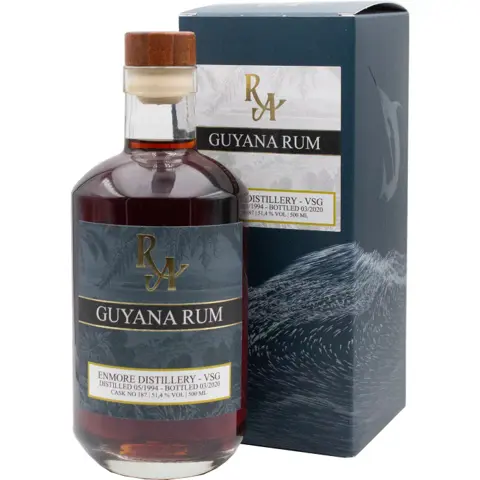 Enmore Rum Artesanal Guyana Rum REV 1994
Oily, plum-and-leather Enmore, deep and balanced
Hampden Rumclub Private Selection Ed. 32 C<>H 1990
Hampden Rumclub Private Selection Ed. 32 C<>H 1990Old Hampden that stays a fruity ester bomb
Appleton Legend 2005
Appleton Legend 2005Funky, fruity Appleton unlike the rest
Velier Caroni 39th Release (The Last) Heavy Trinidad Rum 1996
Velier Caroni 39th Release (The Last) Heavy Trinidad Rum 1996Dirty, fruity Caroni many call their best ever
Velier Caroni High Proof Heavy Trinidad Rum HTR 1994
Velier Caroni High Proof Heavy Trinidad Rum HTR 1994Dirty, tarry Caroni, slightly softened by 52%
Velier Skeldon SWR 1978
Velier Skeldon SWR 1978Dark, intense old Demerara with big oak
Velier Caroni Heavy Trinidad Rum (Paul Ullrich) HTR 2000
Velier Caroni Heavy Trinidad Rum (Paul Ullrich) HTR 2000Hot, oily 2000 Caroni with tropical sweetness
Velier Bielle Rhum Rhum Libération 2010 2007
Velier Bielle Rhum Rhum Libération 2010 2007Balanced, wood-forward citrusy agricole sipper
Velier Caroni 100% Trinidad Rum 17 HTR 1998
Velier Caroni 100% Trinidad Rum 17 HTR 1998Dirty, balanced Caroni with tar and dried fruit
Valdespino Legend of Cuban Rum Pre-1962 1944
Valdespino Legend of Cuban Rum Pre-1962 1944Sweet, chocolatey old Cuban sipper
Port Mourant El Dorado Rare Collection PM 1997
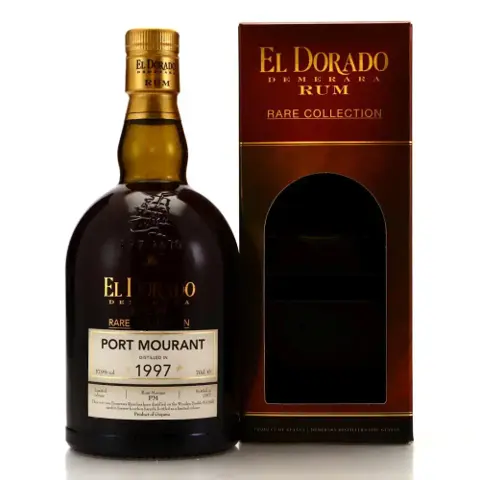 Port Mourant El Dorado Rare Collection PM 1997
Woody, licorice-heavy PM that needs time
Velier Caroni Heavy Trinidad Rum HTR 1994
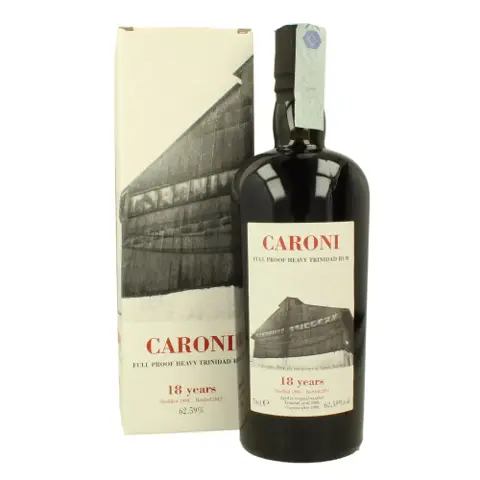 Velier Caroni Heavy Trinidad Rum HTR 1994
Powerful, dirty 1994 Caroni for sipping
Velier Caroni 1st Employees John „D“ Eversley HTR 1996
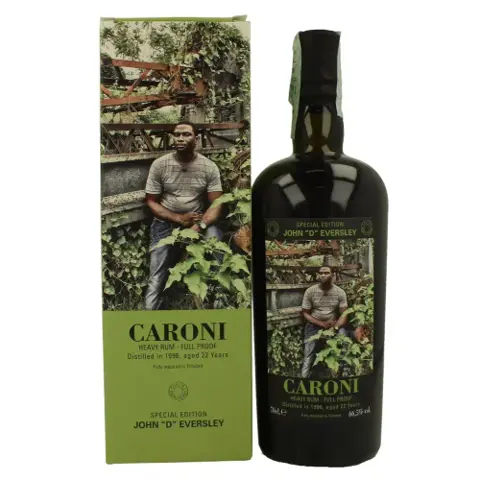 Velier Caroni 1st Employees John „D“ Eversley HTR 1996
Heavy, tarry Caroni with dark fruit
Velier Caroni 1st Employees Dennis „X“ Gopaul HTR 1998
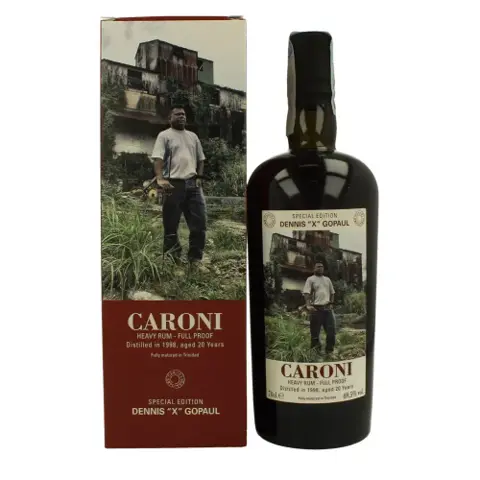 Velier Caroni 1st Employees Dennis „X“ Gopaul HTR 1998
Hot, tarry cask-strength Caroni for sipping
Velier Blairmont <B> 1991
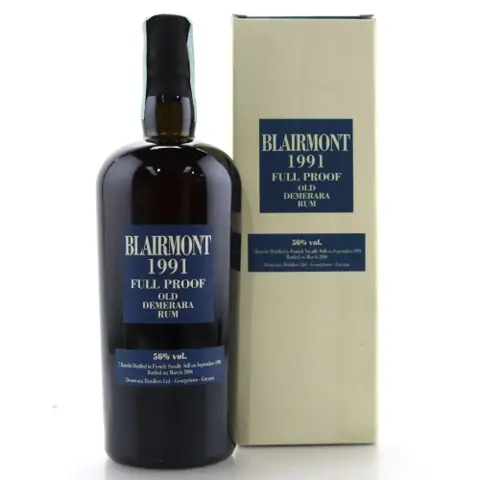 Velier Blairmont <B> 1991
Rich caramel-coconut Demerara with a short finish
La Maison & Velier Caroni Navy Rum 100th Anniversary „Replica“ HTR 2000
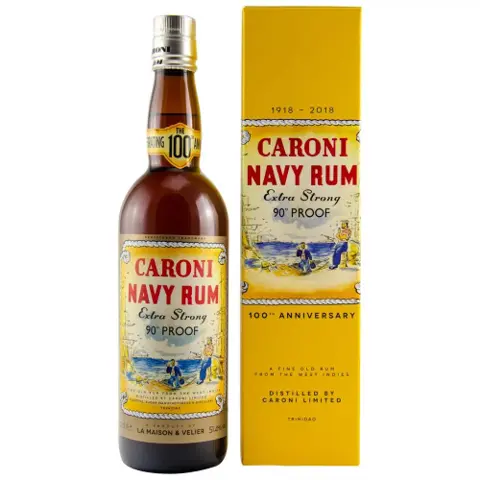 La Maison & Velier Caroni Navy Rum 100th Anniversary „Replica“ HTR 2000
Softer, workshop-style Caroni for beginners
Velier Bielle Rhum Rhum Libération Integrale 2012 2007
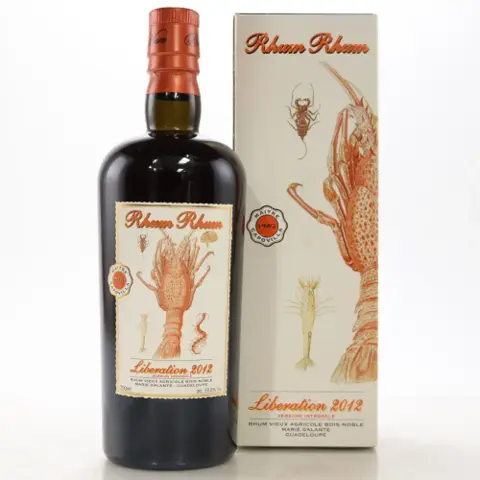 Velier Bielle Rhum Rhum Libération Integrale 2012 2007
Complex cask-strength agricole, peach-tea and oak
Velier Caroni 35th Release Heavy Trinidad Rum (Trespassers) HTR 1996
 Velier Caroni 35th Release Heavy Trinidad Rum (Trespassers) HTR 1996
Heavy, dirty Caroni with tamed 70% ABV
Velier Port Mourant UPM UPM 1997
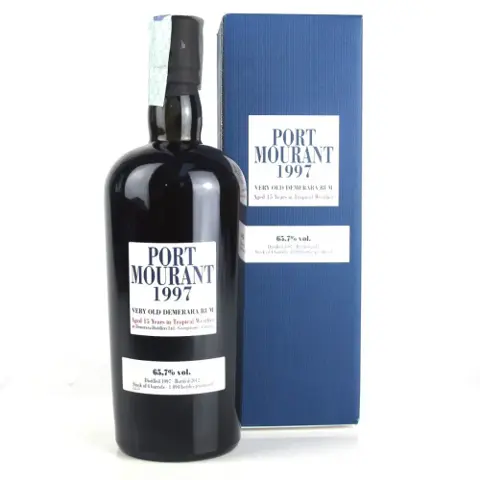 Velier Port Mourant UPM UPM 1997
Oily, caramel-rich tropical Port Mourant
Whisky Krüger Port Mourant Rendsburger Bürgermeister Rum PM 1975
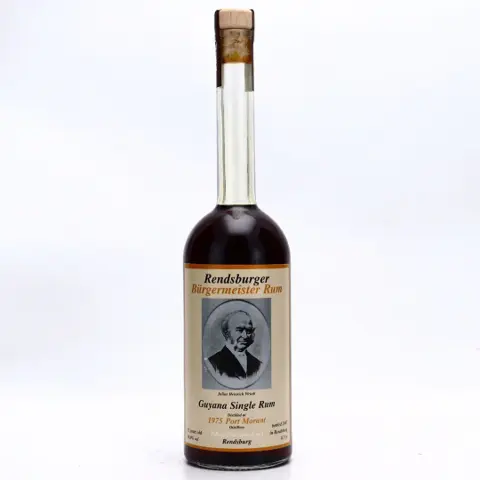 Whisky Krüger Port Mourant Rendsburger Bürgermeister Rum PM 1975
Deep, oily old Port Mourant with heavy wood
Cadenhead's Uitvlugt GM GM 1974
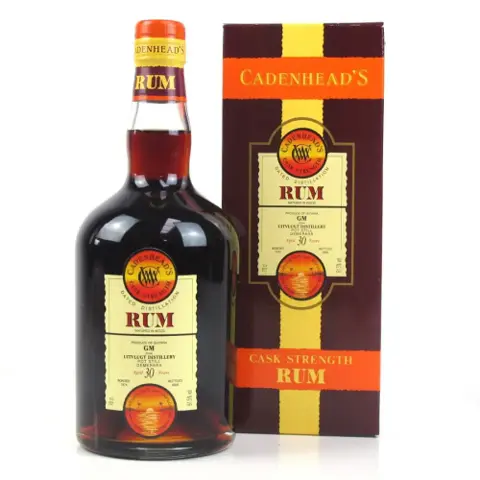 Cadenhead's Uitvlugt GM GM 1974
Old-school Demerara: prune, oak, dark chocolate
Velier Caroni 100% Trinidad Rum 21 1996
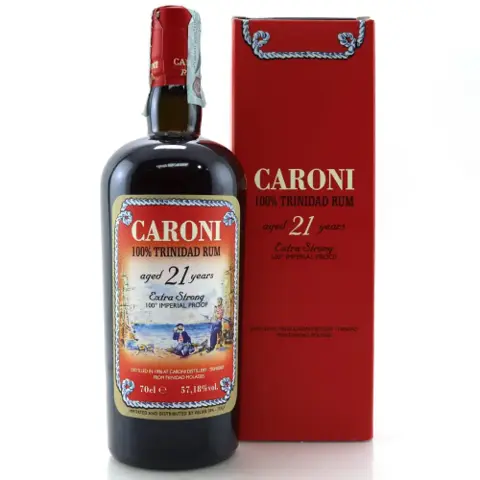 Velier Caroni 100% Trinidad Rum 21 1996
Tar, rubber and tropical fruit in balance
Velier Caroni 36th Release Heavy Trinidad Rum Guyana Stock HTR 1994
 Velier Caroni 36th Release Heavy Trinidad Rum Guyana Stock HTR 1994
Dirty, tar-heavy Caroni, very woody and dry
Velier Uitvlugt ULR ULR 1997
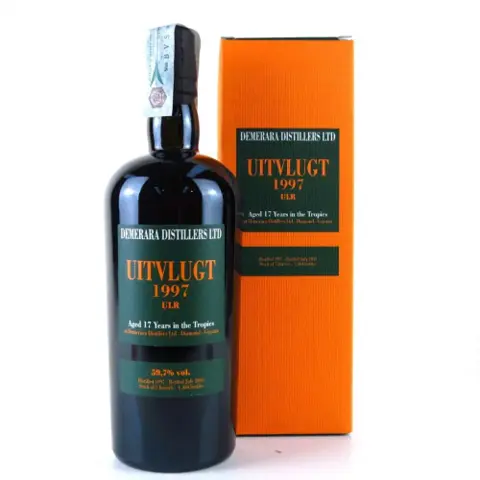 Velier Uitvlugt ULR ULR 1997
Coconut-and-glue Demerara, light yet deeply complex
Enmore Rumclub Private Selection Ed. 22 REV 1994
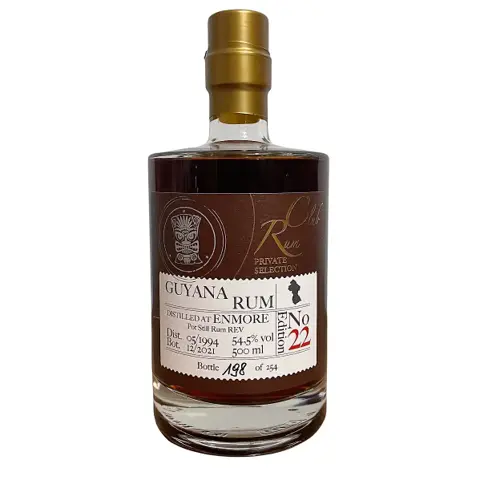 Enmore Rumclub Private Selection Ed. 22 REV 1994
Deep, oily Enmore: plum, black tea, dark chocolate
Velier Diamond (Port Mourant) <W>PM PM 1999
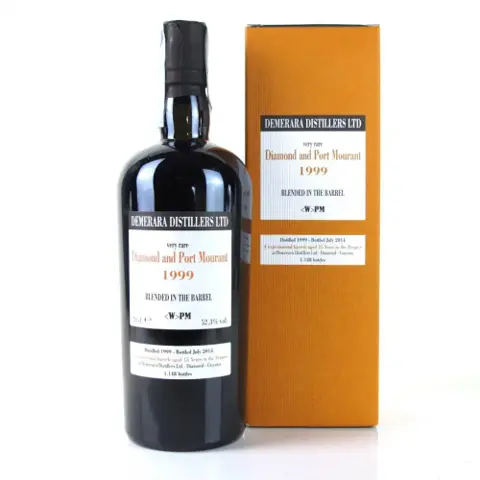 Velier Diamond (Port Mourant) <W>PM PM 1999
Rich, dark Demerara blend to sit with for hours
Velier Diamond SVW SVW 1996
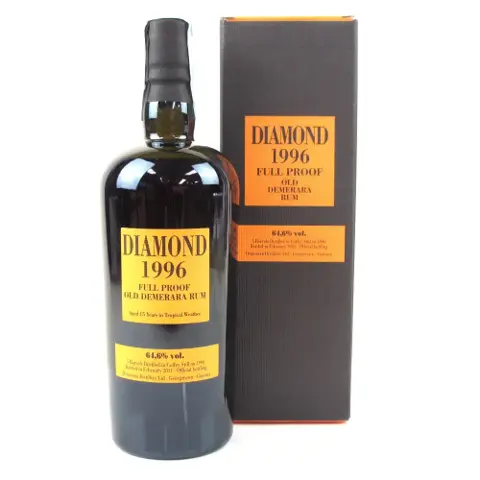 Velier Diamond SVW SVW 1996
Rich, roasted Demerara at full proof
Hampden Rum Artesanal JMC Distillery C<>H 1990
 Hampden Rum Artesanal JMC Distillery C<>H 1990
Aged Hampden: pineapple esters, oily, oak-rounded
Velier Caroni 100% Trinidad Rum 12 HTR 2000
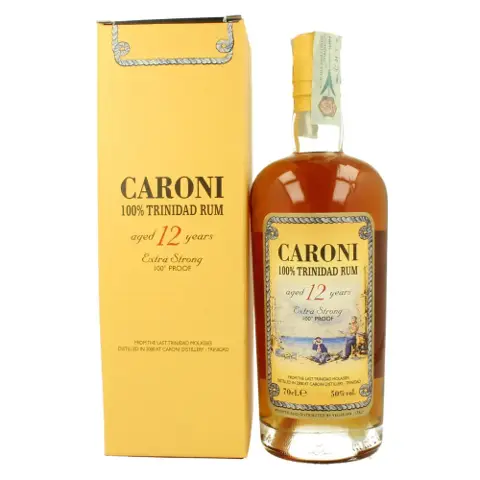 Velier Caroni 100% Trinidad Rum 12 HTR 2000
Fresh, dirty entry-level Caroni
Velier R.A.S.C. Royal Army Service Corps (Begnoni) 1954
 Velier R.A.S.C. Royal Army Service Corps (Begnoni) 1954
Heavy, old-style plum-and-tobacco navy sipper
No rums found matching your criteria
Try adjusting your search criteria or clearing some filters.
The RumX Guide to rare rums
What makes a rum genuinely rare
Real rarity has a supply story you can check. The strongest one: the distillery no longer exists, so every opened bottle shrinks the world's stock forever. Next come single casks, one barrel, a few hundred bottles, numbered, and vintage stocks from stills or marques that have since changed. Tropical aging adds natural scarcity, because a 20-year Caribbean cask has lost most of its contents to evaporation. Be more skeptical of manufactured rarity: shiny decanters and "limited" editions of ten thousand bottles. The catalog below shows community scores next to prices, which deflates that quickly.
Caroni and the cult of closed distilleries
Trinidad's Caroni distillery closed in 2002, and its heavy, tar-and-diesel rums have since become rum's answer to Port Ellen. Velier's bottlings built the legend: Velier Caroni 21 1996 holds a 90 median from hundreds of RumX reviews, and the Employees series pushes higher still. Guyana tells the same story through its lost stills and marques, with unicorns like Skeldon 2000 trading far above their release price. The pattern is consistent: when the source dries up and the juice is genuinely great, the community score and the market price climb together.
Independent bottlers: where rarities are born
Most bottles on this page never passed through a brand's marketing department. They were selected cask by cask by independent bottlers, with Velier as the category's defining house: its Demerara and Caroni series created the modern collector market, and projects like Velier Royal Navy and the Appleton Hearts Collection keep setting the bar. Single-cask releases from houses like Rum Artesanal, S.B.S or Rom Deluxe deliver comparable quality in smaller outturns. Bottler reputation is a real signal here, almost as strong as the distillery name.
Collecting vs investing: know which game you are playing
Rum has outperformed many collectible spirits over the past decade, but it remains an illiquid, fashion-driven market with real storage and authenticity risks. The community's working rules: buy bottles you would be happy to drink if the market turned; prefer verifiable scarcity over marketing scarcity; track what bottles actually trade for, not what retailers ask. And use the data: a rum with a 90 median from 200 blind-ish community palates is a much safer store of value than one with three reviews and a press release. RumX price history exists for exactly this.
What a rare bottle is actually worth, and how we know
A shop price tells you what someone is asking. An auction result tells you what someone paid. For rare rum those two numbers drift far apart, which is why we carry both and label which is which. More than 1,800 bottles in our database show a market value derived from auction results, built on roughly 9,000 recorded hammer prices; several thousand more carry a retail-derived indicator instead. The badge on a product page always says which source it came from.
What makes it usable is the evidence attached to it. Each auction-based value shows the range it was drawn from, how many sales it rests on, when the most recent one happened, and whether buyer's premium is included. A value built on two lots from 2024 is a different claim from one built on forty lots this year, and the page shows you which you are looking at instead of averaging them into a single confident-looking number. Live lots run alongside it on our auctions page.
| Field | What it tells you |
|---|---|
| Range | Lowest and highest hammer price the value was drawn from |
| Sample size | How many sales it rests on. Two is a hint, forty is a market |
| Latest sale | Month of the most recent result, so you can spot a stale value |
| Buyer's premium | Whether the auction house fee is already inside the figure |
How to buy your first serious bottle without getting burned
Three habits separate happy collectors from regretful ones. First, cross-check the price: the same bottle can vary by hundreds of euros between shops, which is what the price comparison on every RumX page is for. Second, read the low ratings, they tell you whether the flaws are your kind of flaws; a tar-heavy Caroni is not for everyone. Third, buy from retailers with provenance you trust, especially at auction prices. And one heresy worth repeating: an open bottle shared with friends returns more than most sealed ones ever will.
Giving a rare bottle as a present
A rare rum is a good present for exactly one reason: it is impossible to buy by accident. It is also the easiest category to get wrong, because the things that make a bottle collectable are not the things that make it enjoyable to someone who does not collect. A tar-heavy closed-distillery rum is a thrilling gift for the right person and an undrinkable one for everybody else.
Two safe routes. A vintage from the year that matters is the sentimental one: a bottle distilled in a birth or wedding year, where the story carries the gift and the taste is a bonus. The other is to pick by profile rather than by rarity, using the ratings and the low reviews on each page to check that the bottle is generous rather than demanding. If you are not certain the recipient likes intense rum, a well-rated aged Barbados or a soft Demerara lands better than a cult bottle they will politely never open. And if you know they collect, the safest gift is not a bottle at all but a bottle they already have on a wishlist.
Keeping it, opening it, or both
Storage for spirits is undramatic. Upright, so the cork never sits in high-proof liquid, out of direct light, at a stable room temperature. Unlike wine, a sealed bottle of rum does not develop and does not spoil; the evaporation figures you read about apply to the cask, not to the bottle on your shelf. What does degrade is the packaging, and for anything you might resell, the label, box and seal carry real weight.
Once open, air does slowly work on a rum, most noticeably on the last third of the bottle. Collectors deal with that by decanting into smaller sample bottles, which keeps the headspace low and lets you taste the same rum against something else months later. Which brings up the argument this category never settles: hold or drink. Our position is not neutral. A bottle nobody opens produces no memory and no tasting note, and the resale market is thinner and more fashion-driven than it looks from the outside. Buy what you would be glad to open, and then open some of it.
Frequently Asked Questions about rare rums
What our community thinks about rare rums
Unlock the Full RumX Experience
Love rare rums? Get the RumX app for personalized recommendations, price alerts, and access to our community of rum enthusiasts.