
Rhum Agricole: Navigate Cane Juice Terroir
Rhum agricole is rum's terroir statement: distilled from fresh-pressed sugarcane juice instead of molasses, it tastes of grass, flowers and the field it grew in. Only about 3 percent of the world's rum is made this way, most of it on Martinique and Guadeloupe, and Martinique's AOC makes it the only rum with a French appellation behind it.


RumX market intelligence
As of September 2026
- Community score
- 8.1/10
- ratings
- 41,265
- bottles catalogued
- 4,057
- available to buy now
- 1,094
Popular rhums agricole
Added to the most collections recently.
Rhum J.M 2013
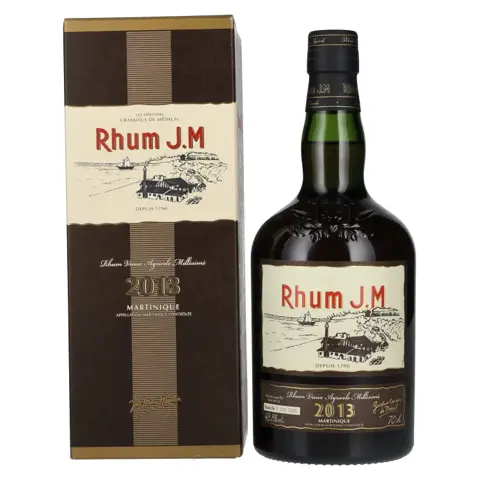 Rhum J.M 2013
Elegant, woody Martinique agricole with dried fruit
Rhum J.M XO
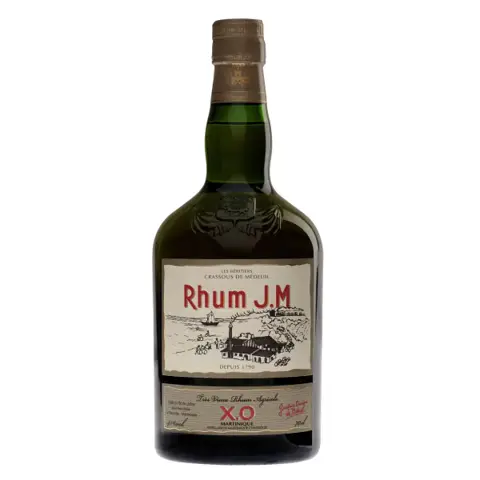 Rhum J.M XO
Balanced, cask-forward gateway agricole
HSE Black Sheriff One Shot
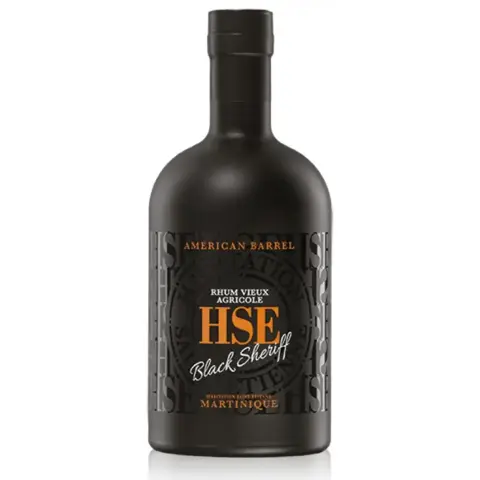 HSE Black Sheriff One Shot
Bourbon-leaning starter agricole, a bit watery
Spirit Gallery Le Galion Funky Fury (#1) 2024
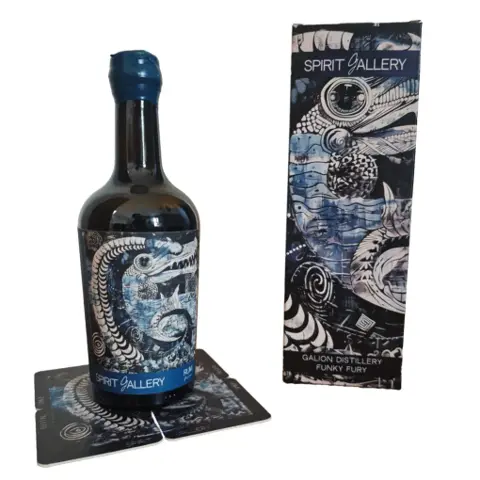 Spirit Gallery Le Galion Funky Fury (#1) 2024
Wild, briny-fruity Le Galion for the adventurous
Neisson Profil 107
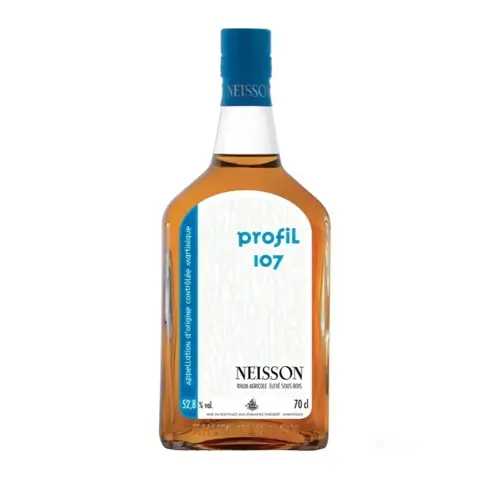 Neisson Profil 107
Bright young agricole, spicy with vanilla
Habitation Saint-Étienne HSE à la Française XO (2026) 2007
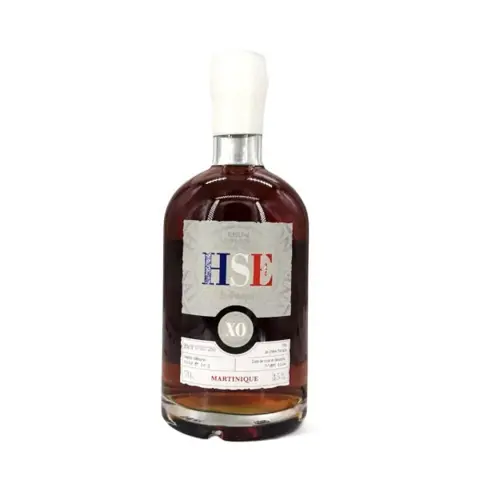 Habitation Saint-Étienne HSE à la Française XO (2026) 2007
The Bottle Shop Montebello 2008
 The Bottle Shop Montebello 2008
Elegant, earthy aged Guadeloupe agricole
Habitation Saint-Étienne HSE Brume Dorée (chêne américain) 2014
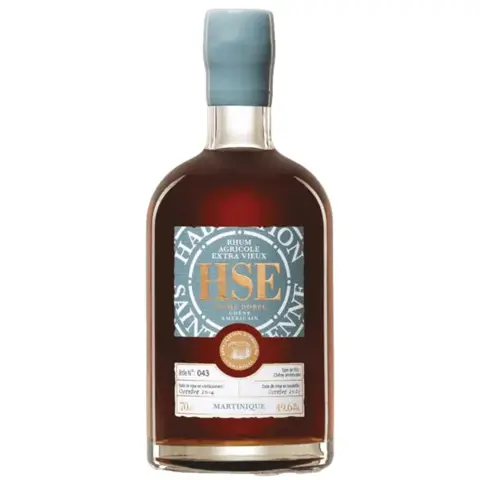 Habitation Saint-Étienne HSE Brume Dorée (chêne américain) 2014
Neisson L'Esprit de Neisson Bio 2022
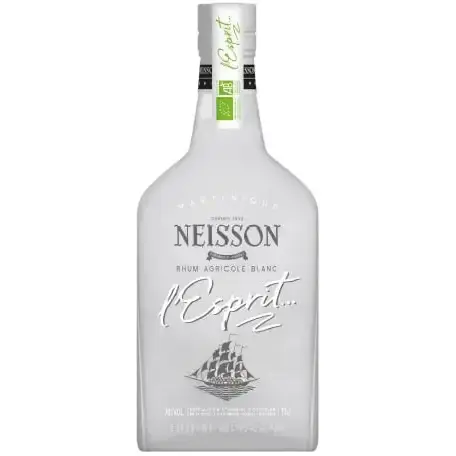 Neisson L'Esprit de Neisson Bio 2022
Bold, grassy white agricole at cask strength
Community reviews: rhums agricole
Review by Djehey

Profil très orienté fruits secs et épices. Nez très agréable, très Martinique. Bouche un peu trop marqué par les épices. Finale sèche moyenne à longue. Une légère amertume me dérange en bouche. Très varié.
Review by Djehey
Profil logique du début à la fin. Sur les fruit sec, rouge, confiturés, on y retrouve aussi un côté floral. La Martinique en plein. A moins de 80€ dans un fût travaillé (chauffe brume dorée), on est sur un super rapport qualité prix.
Review by Banana Joe

Wow, great nose. Very funky. Wild mix of esters, overripe fruit, and citrus olives. Very complex for 3 years. Unfortunately, it can’t confirm this strong impression on the palate. But for the price, an exciting bottling—I would have loved to try it with a few more years in the …
Review by Skyfly

A first-class Agricole where the vegetal/earthy aromas dominate alongside the sugarcane. Fruity notes like citrus and sour cherry stay discreetly in the background, as do various spices. The alcohol is perfectly integrated!
Review by Skyfly
There are definitely similarities to the Bonne Mère 1. Very fruity with peach, young wood, and vegetal aromas on the nose. But with this Bonne Mère, the palate is dominated by the peach-mint aroma that is actually typical for TDL.
Review by DomM

Very nice Bellevue 98 cask. Quality is very high as can be expected for the vintage. More on the balanced and fruity side while spices and/or wood are present but not overwhelming. Excellent stuff.
Review by Michal Jurka

Superb nose, very rich in red fruits, mainly cherry and dried plums with wood. Taste is spicier and drier with a light acidic bite.
Review by Stefan Persson

Bought this Rhum Neisson Blanc from Catawiki a few months ago. The distillery is owned by the Neisson family since its foundation in 1932. They uses fresh sugar cane juice from locally grown cane. After a quite long fermentation it’s distilled in a French Savalle column still …
Find your rum
The community's favourite for every occasion, from 320,000 ratings — next to it every bottle that fits.
- Sipping neat Rhum J.M XO 8.0/10 315 reviews
- Cocktails & mixing Rhum J.M Terroir Volcanique 2021 7.5/10 234 reviews
- Fresh & grassy Neisson Profil 105 8.0/10 273 reviews
- Mature & oaky Saint James Les Ephémères - N°1 2001 8.8/10 221 reviews
Browse all rhums agricole
Explore our complete collection. Filter by price, rating, distillery, age, and more to find your perfect rum.
Filters
CoR Bellevue Guadeloupe No. 3 1998
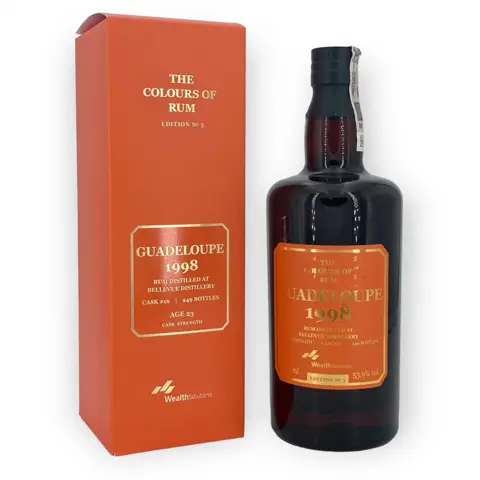 CoR Bellevue Guadeloupe No. 3 1998
Dark, woody, medicinal aged Bellevue sipper
Rhum J.M 2013
Rhum J.M 2013Elegant, woody Martinique agricole with dried fruit
Rhum J.M XO
Rhum J.M XOBalanced, cask-forward gateway agricole
HSE Black Sheriff One Shot
HSE Black Sheriff One ShotBourbon-leaning starter agricole, a bit watery
Spirit Gallery Le Galion Funky Fury (#1) 2024
Spirit Gallery Le Galion Funky Fury (#1) 2024Wild, briny-fruity Le Galion for the adventurous
Neisson Profil 107
Neisson Profil 107Bright young agricole, spicy with vanilla
Habitation Saint-Étienne HSE à la Française XO (2026) 2007
Habitation Saint-Étienne HSE à la Française XO (2026) 2007The Bottle Shop Montebello 2008
The Bottle Shop Montebello 2008Elegant, earthy aged Guadeloupe agricole
Habitation Saint-Étienne HSE Brume Dorée (chêne américain) 2014
Habitation Saint-Étienne HSE Brume Dorée (chêne américain) 2014Neisson L'Esprit de Neisson Bio 2022
Neisson L'Esprit de Neisson Bio 2022Bold, grassy white agricole at cask strength
Montebello LA RENCONTRE (Distillerie du Gorvello) 2015
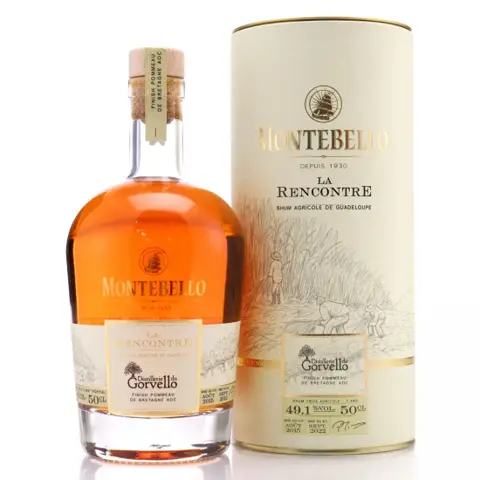 Montebello LA RENCONTRE (Distillerie du Gorvello) 2015
Fruity apple-and-cassis agricole with cider finish
Depaz Private Cask (Rumclub Private Selection) 2010
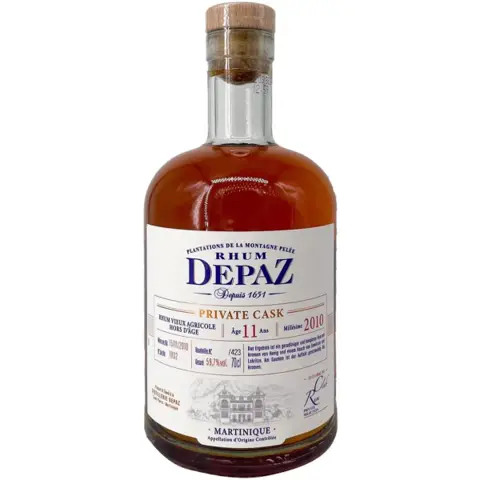 Depaz Private Cask (Rumclub Private Selection) 2010
Rounded, fruity aged agricole with spice
Rhum J.M Terroir Volcanique 2021
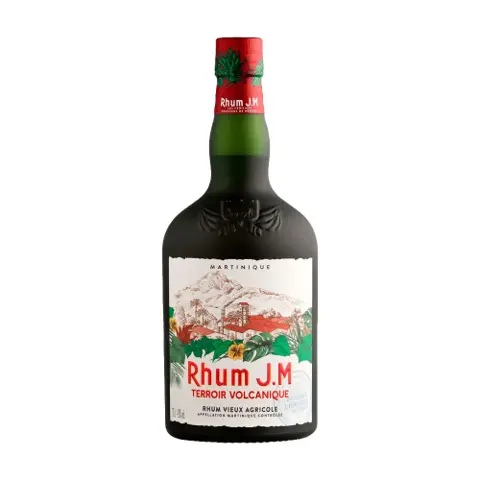 Rhum J.M Terroir Volcanique 2021
Easy, woody agricole with prunes and vanilla
J. Bally Brut de Fût (Kirsch Whisky) 2009
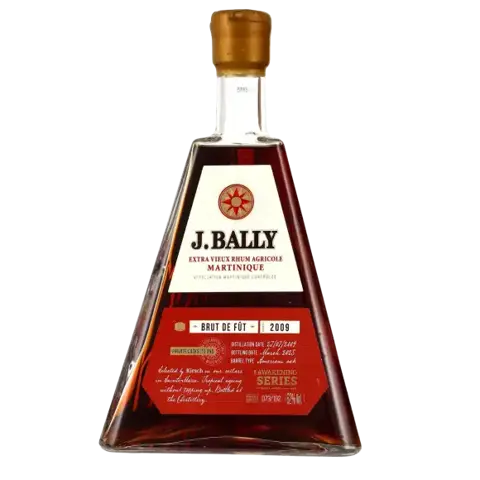 J. Bally Brut de Fût (Kirsch Whisky) 2009
Powerful, dried-fruit-heavy cask-strength agricole
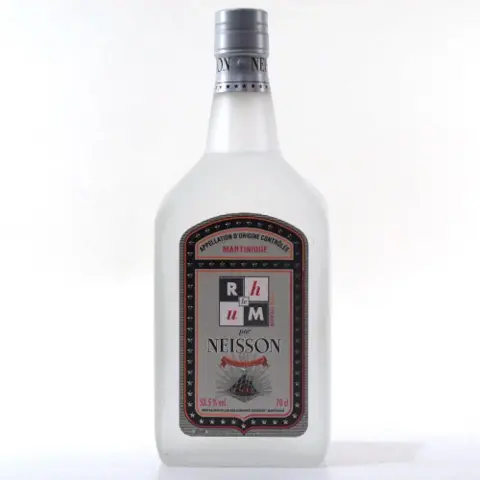
Neisson Le Rhum Par Neisson
 Neisson Le Rhum Par Neisson
Fresh, peppery agricole built for ti-punch
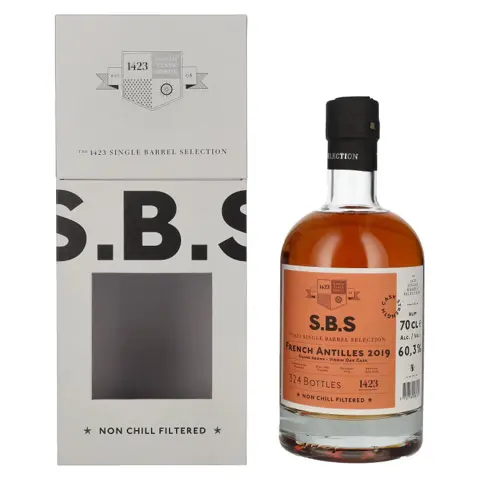
Le Galion S.B.S French Antilles 2019
 Le Galion S.B.S French Antilles 2019
Wild, medicinal Grand Arôme funk bomb
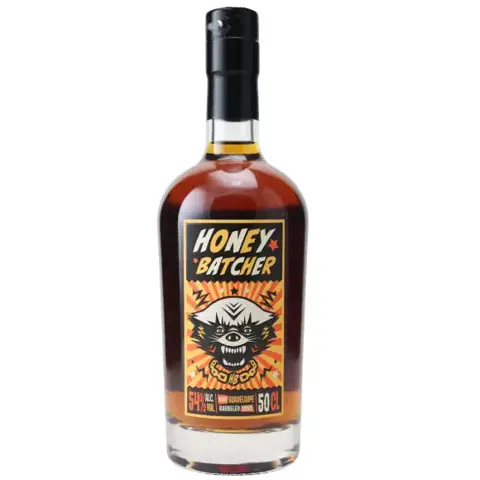
HoneyBatcher GmbH Bellevue Guadeloupe Rum 1998
 HoneyBatcher GmbH Bellevue Guadeloupe Rum 1998
Herbal, orange-and-tea aged Bellevue sipper
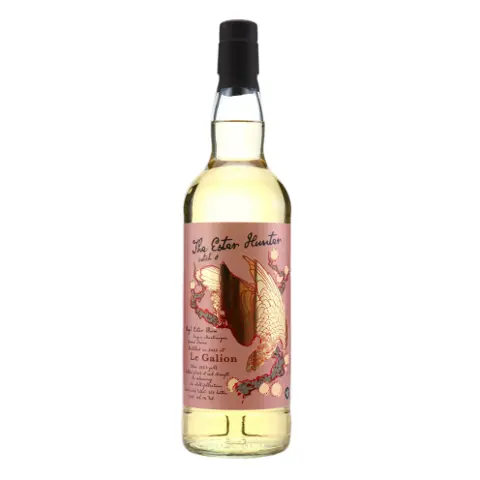
The Whisky Jury Le Galion The Ester Hunter Catch 8 Grand Arôme 2023
 The Whisky Jury Le Galion The Ester Hunter Catch 8 Grand Arôme 2023
Funky Le Galion esterbomb, nose beats palate
Habitation Saint-Étienne HSE Brume Dorée (chêne français) 2014
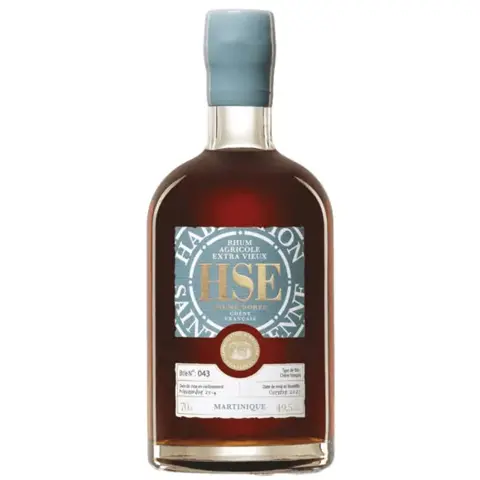 Habitation Saint-Étienne HSE Brume Dorée (chêne français) 2014
Saint James 15 Ans
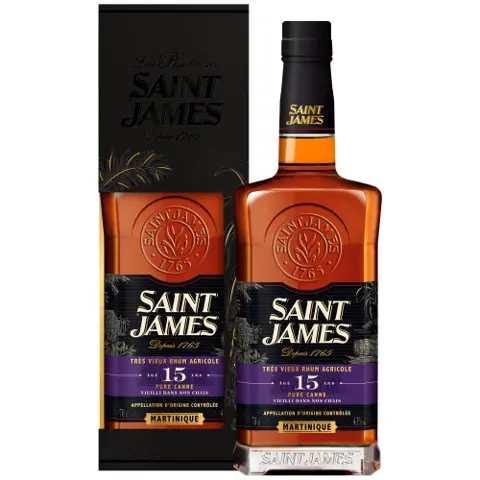 Saint James 15 Ans
Dark, woody 15yo agricole for sipping
J. Bally Art Déco #2
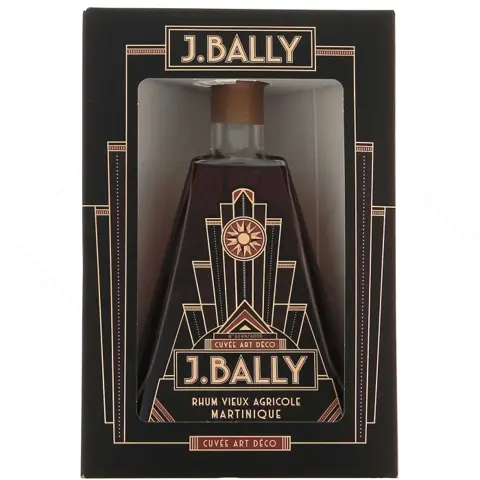 J. Bally Art Déco #2
Elegant, woody-spiced Martinique agricole sipper
Rhum J.M VSOP
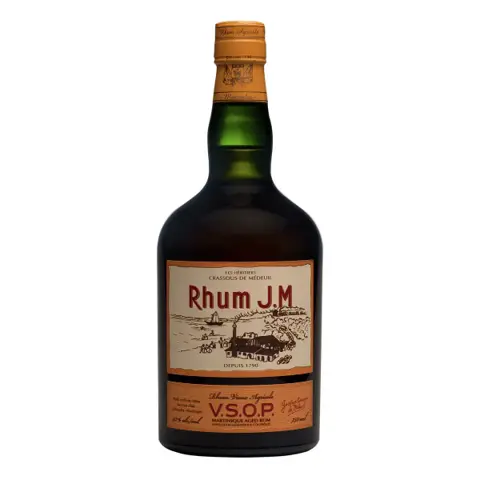 Rhum J.M VSOP
Fresh, peppery entry-level Martinique agricole
Swell de Spirits Le Galion Easy Peasy No. 4 Grand Arôme 2024
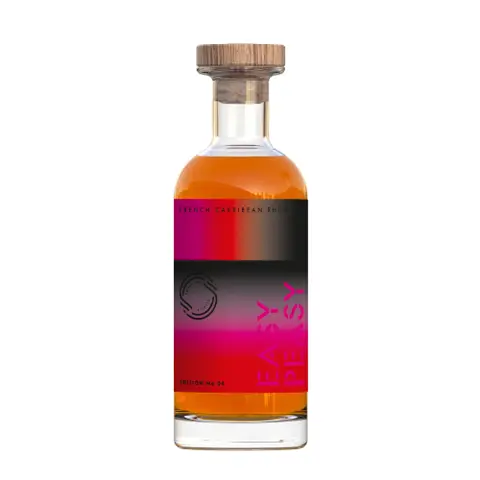 Swell de Spirits Le Galion Easy Peasy No. 4 Grand Arôme 2024
Funky banana-and-olive Martinique grand arôme
Neisson 2005
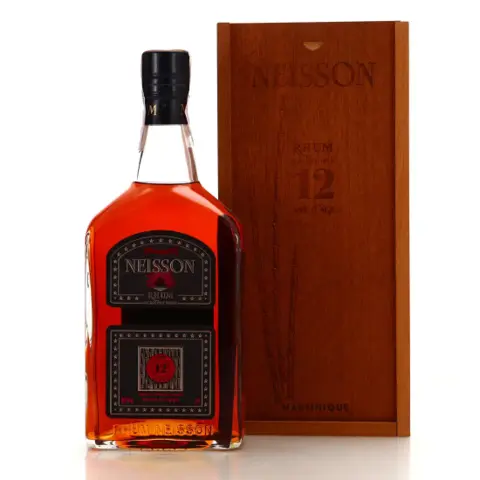 Neisson 2005
Elegant aged agricole, fruity and licorice-laced
Vagabond Spirits Bonne Mère Butterfly (Batch 2) 2026
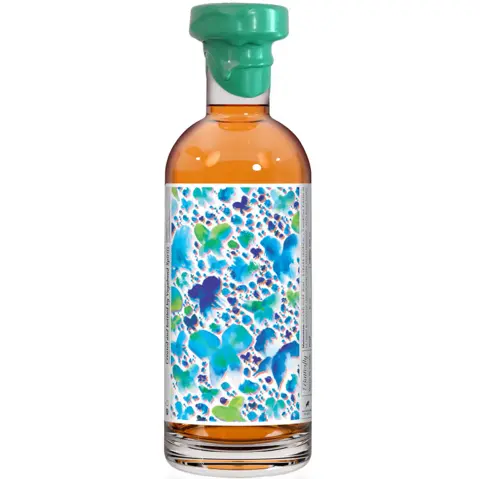 Vagabond Spirits Bonne Mère Butterfly (Batch 2) 2026
Bright peach-and-mint Guadeloupe, easy to love
Neisson Profil 105
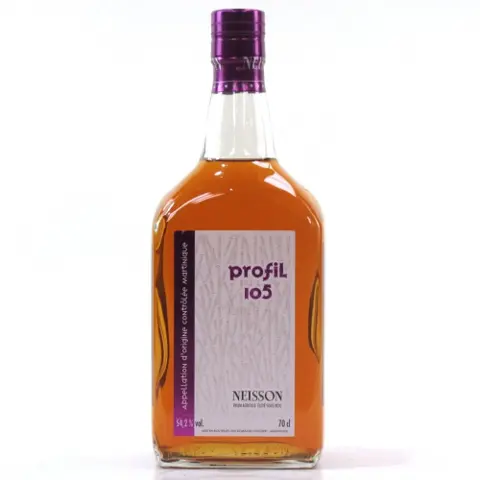 Neisson Profil 105
Young, peppery agricole between white and aged
Le Galion S.B.S French Antilles Grand Arome (Single Origin Rum) Grand Arôme 2021
 Le Galion S.B.S French Antilles Grand Arome (Single Origin Rum) Grand Arôme 2021
Wild olive-brine white rum, great in daiquiris
Romdeluxe Poisson Collectors Series No. 19 2018
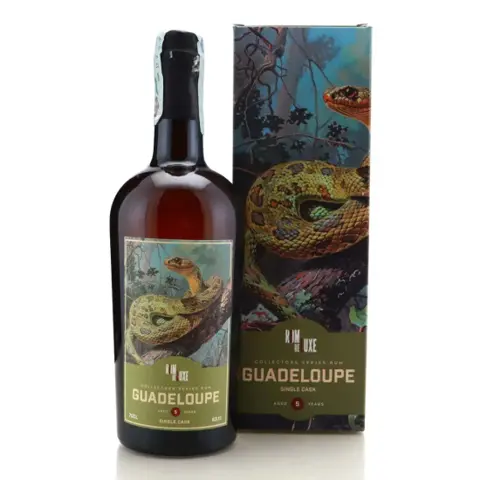 Romdeluxe Poisson Collectors Series No. 19 2018
Baie des Trésors VO - Karakoli 2019
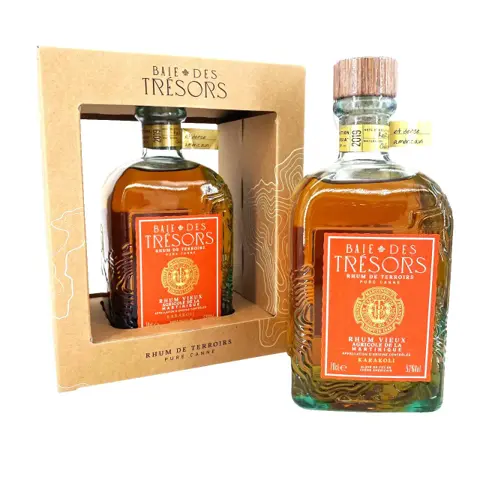 Baie des Trésors VO - Karakoli 2019
Young agricole that drinks older, spice and dried fruit
Depaz Millésime 2002
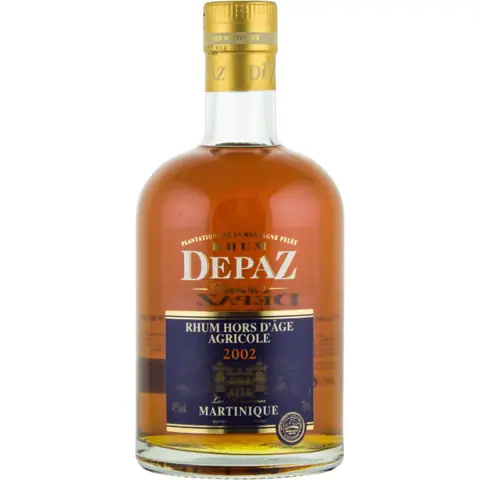 Depaz Millésime 2002
Fruity, dry agricole with chocolate and oak
No rums found matching your criteria
Try adjusting your search criteria or clearing some filters.
The RumX Guide to rhums agricole
Cane juice vs molasses: why agricole tastes different
Most rum starts from molasses, the shelf-stable byproduct of sugar refining. Agricole starts from fresh cane juice that must be pressed and fermented within hours of harvest, because the juice spoils fast. That freshness survives distillation: grassy, vegetal, floral notes, white pepper, citrus peel. Molasses rum tastes of what fermentation and the barrel created; agricole keeps a direct line back to the plant. Neither is better, but you will rarely confuse them in a blind tasting. For a compact definition of agricole and the other key terms, see our rum glossary.
Does that translate into higher scores? In our database, cane-juice rums with at least 25 ratings sit at a median of 8.0 and molasses rums at 8.2. The gap is small and if anything runs the other way, which cuts against the common assumption that agricole is automatically the finer category. What the number really says is that both camps have their peaks, and the choice is a matter of taste rather than rank. Coming from the molasses side, most people need two or three glasses before the grassy register turns from foreign body into the actual attraction.
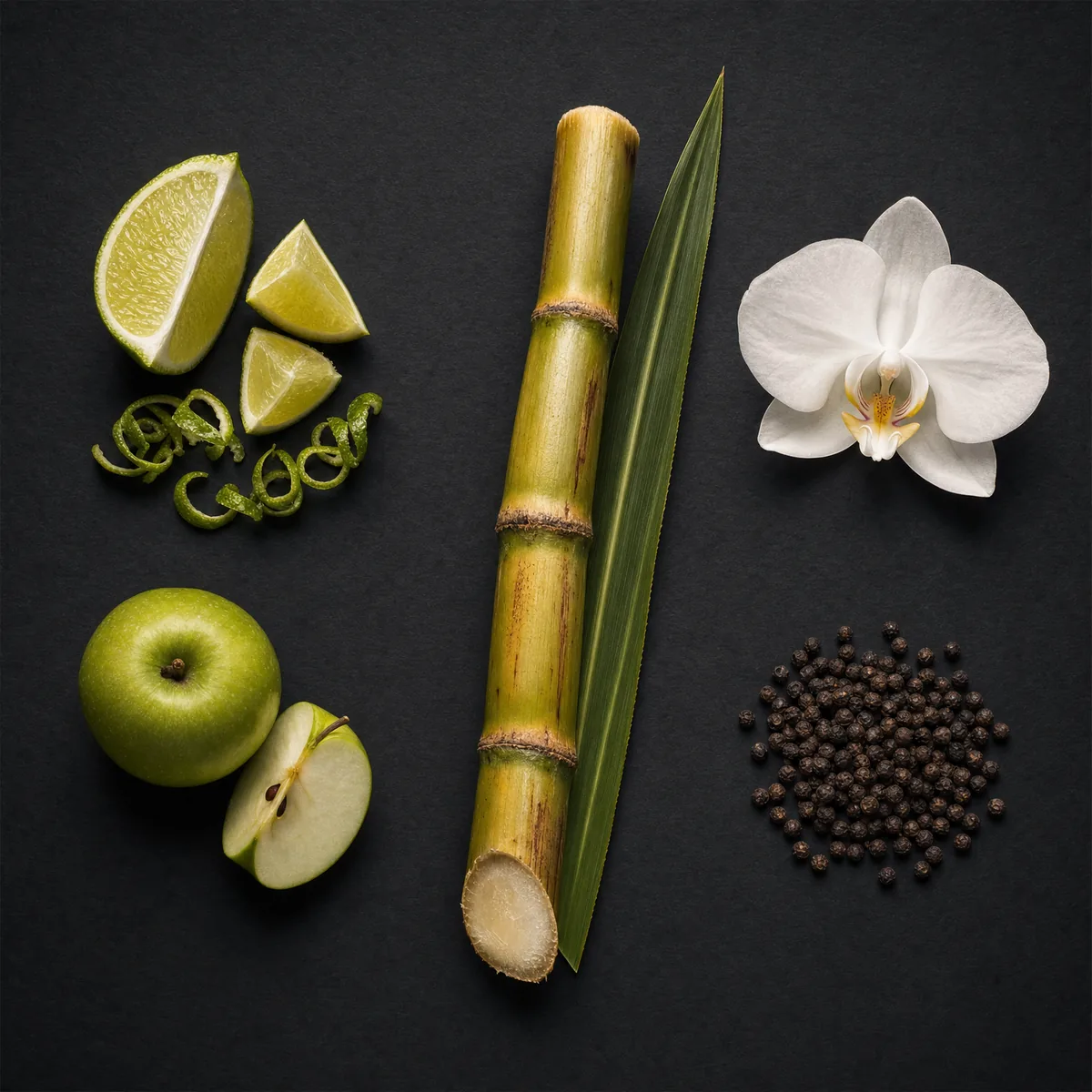
From field to glass: how agricole is made
The whole style hangs on one constraint: cut cane starts losing sugar within hours, so pressing, fermentation and distillation run almost back to back. The cane is crushed, the juice (vesou) goes straight into the vats, and fermentation takes roughly one to three days, giving a cane wine of a few percent alcohol. Under the Martinique AOC that ferment may not run past 120 hours and may not exceed 7.5 percent.
Then comes the part that makes agricole taste like agricole: the colonne créole, a single continuous copper column that is deliberately not very efficient. It leaves the aromatic compounds in rather than stripping them out, and the AOC requires at least 225 grams of congeners per hectolitre of pure alcohol, plus a distillation strength between 65 and 75 percent. Rectifying the spirit is forbidden outright. In our database, Creole Column is recorded as its own still type precisely because it is not interchangeable with an industrial column.
The Martinique AOC: rum's strictest rulebook
Since 1996, AOC Martinique has governed rhum agricole the way appellations govern Burgundy: approved cane varieties, defined growing zones, fresh juice only, fermentation rules, distillation on creole column stills within set strength bands. It is the only rum in the world carrying a French AOC. The result is a guaranteed style floor, which is why a random AOC blanc from the catalog below is one of the safest quality bets in all of rum. Guadeloupe sits outside the AOC and uses that freedom, more on that below.
What the AOC is not is a guarantee of quality. It prescribes method and origin, not merit, and a seal does not turn a mediocre bottling into a good one. What it delivers is predictability. Before you open the bottle you know fresh juice was involved, that it came off a creole column, and that nobody sweetened or flavoured it afterwards. In our catalogue roughly half the bottlings filed as agricole carry the AOC designation explicitly; the rest come from Guadeloupe, Marie-Galante or outside the French Antilles altogether, and are not worse for it, only less prescribed.
From blanc to XO: the agricole age ladder
Agricole has its own vocabulary, borrowed from cognac. Blanc is unaged and the purest cane expression, try Neisson Blanc. Élevé sous bois means at least 12 months in wood, the golden ti' punch standard. VO and VSOP mark three and four years, where Clément VSOP and Rhum J.M VSOP live. XO demands six years or more, and bottles like Depaz XO Grande Réserve show how elegantly cane juice takes to oak. Aged agricole is still underpriced against Scotch of comparable depth, which the RumX price history makes very visible.
Guadeloupe: agricole without the rulebook
Guadeloupe makes cane-juice rum in the same tradition but outside the AOC, and its distillers treat that as a license to experiment: different cane varieties, longer fermentations, unusual still setups. Damoiseau VO is the island's bestseller on RumX, and vintage releases like Damoiseau 1995 rank among the community's highest-rated agricoles, period. If Martinique is the Burgundy of cane juice, Guadeloupe is its natural-wine scene: less predictable, often thrilling. Both islands have their own pages: Martinique and Guadeloupe.
Where agricole comes from: more than two islands
Only two places regulate the style by law. Martinique has held its AOC since November 1996, a protected designation of origin. Guadeloupe went the other way and took a protected geographical indication in 2015, which is looser by design. Everywhere else, cane-juice rum is made without an appellation behind it, which does not make it worse, only less prescribed.
And there is a lot of everywhere else. Counting by raw material, our database holds cane-juice bottlings from a dozen origins, well beyond the three regions usually named. Marie-Galante belongs to Guadeloupe but carries its own country entry with us, so the catalogue filter on this page does not include it: Bielle and its neighbours live on that island page instead. The same goes for Réunion, Mauritius, Madeira and the Haitian clairins.
| Origin | Bottlings | Character |
|---|---|---|
| Martinique | 2,572 | AOC, precise and structured |
| Guadeloupe | 1,040 | IGP, freer and punchier |
| Marie-Galante | 410 | Intense, often high proof |
| Haiti | 241 | Clairin, raw and wild |
| Réunion | 205 | Spicy, mineral |
| Mauritius and Madeira | 319 | Outside the French tradition |
How to drink it: the ti' punch ritual
The native serve is the ti' punch: a disc of lime, a small spoon of cane syrup, a generous pour of blanc, no ice in the traditional version, stirred with the lime pressed lightly. It is the espresso of the rum world, two minutes of preparation and total clarity about what the rum is. The Antillean saying is chacun prépare sa propre mort: each guest builds their own. Start there before judging any blanc, then let the aged expressions stand on their own, neat, the way you would treat a good cognac.
The build, for the record: half a lime coin squeezed and dropped in, a bar spoon of cane syrup, five centilitres of blanc at 50 to 55 percent, stirred, traditionally no ice. Every one of those proportions is argued about on the islands, which is exactly what the saying is about. Start with less syrup than you think, because a good blanc brings its own sweetness, and calibrate from there.
The other great use of a white agricole is maceration: it is the classic base for rhum arrangé, the French jar-and-patience tradition. Our complete rhum arrangé guide covers base rums, timings and recipes.
Where to start
Agricole is one of the few styles where the cheap end is genuinely good, because a blanc has nowhere to hide. Start with a white at cask-ish strength: Neisson Le Rhum is the reference many people land on, and Depaz Blanc Canne Rouge is the softer way in. Both sit in the thirties, both rate above eight in the community, and either one will tell you within a sip whether the grassy register is for you.
For the aged side, Depaz VSOP is the everyday bottle with the broadest agreement behind it, and Rhum J.M XO is the most-rated aged agricole we carry. If you want one bottle to understand the whole style, buy a blanc and an XO from the same distillery and taste them side by side. That comparison is the fastest education in rum there is, and it costs less than one bottle of most collector Demeraras.
Frequently Asked Questions about rhums agricole
What our community thinks about rhums agricole
Unlock the Full RumX Experience
Love rhums agricole? Get the RumX app for personalized recommendations, price alerts, and access to our community of rum enthusiasts.