

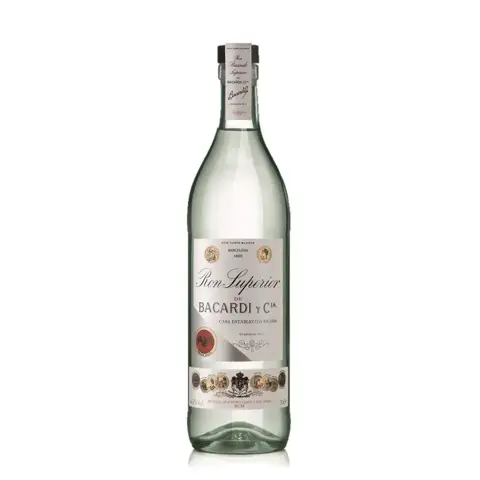
Bacardi Carta Blanca

Bacardi
Bacardi Carta Blanca4.0/10 (230 reviews)
Alcoholic · Lime · Medicinal
Bacardi is the world's largest privately held spirits company and the inventor of the light Cuban rum style, founded in 1862 in Santiago de Cuba but Cuba-less since the 1960 expropriation: today the rum is distilled mainly in Puerto Rico. The RumX community draws a sharp line between the Carta Blanca mixing base and the aged lines up to the Facundo range.
RumX market data
As of October 2026
Picks by occasion and taste, based on community ratings.
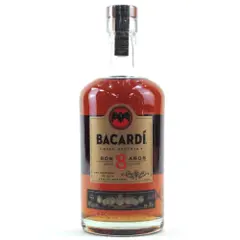 Our pick
Bacardi 8 Años Reserva Superior
7.0/10 (169 reviews)
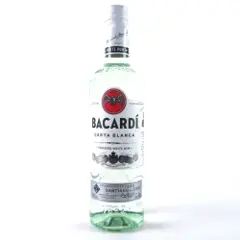 Our pick
Bacardi Carta Blanca
4.0/10 (230 reviews)
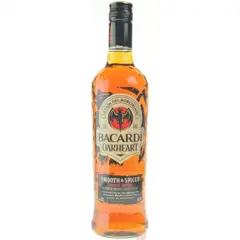 Our pick
Bacardi Oakheart
5.7/10 (109 reviews)
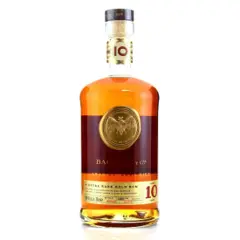 Our pick
Bacardi Gran Reserva Diez Aged 10 Years
7.0/10 (114 reviews)
Each pick fits the occasion according to community data, has at least 30 ratings and is available from at least one shop. Among those bottles, we take the one with the best mix of score and number of ratings.
129 bottlings, with ratings from the community and prices from our comparison of 40 partner shops.
Prices incl. VAT and shipping · How we rank
By default, what matches your search and filters comes first. Where the match is equal, the rums currently most popular on RumX come first, then those with more ratings. The “Sort” menu shows which order applies and lets you sort by score, number of ratings or price.


Change your search or remove some filters.
Sorted by rating, available bottles first.
Added to the most collections recently.
Highest community ratings for the price, from live offers.

Sorted by community rating. Check the number of ratings too: a high score from a few voices says less than a middling one from many.
| Bottling | Age | ABV | Rating | Price |
|---|---|---|---|---|
 Bacardi Gran Reserva Limitada 2017
Column Still Rum | — | 40% | 8.1/10 21 reviews | 116.50 € incl. shipping |
 Bacardi Facundo Paraiso
Column Still Rum | 23 years | 40% | 8.0/10 20 reviews | 330.24 € incl. shipping · 451.91 € per litre |
 Bacardi Facundo Eximo
Column Still Rum | 10 years | 40% | 7.9/10 41 reviews | 95.53 € incl. shipping · 116.47 € per litre |
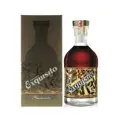 Bacardi Facundo Exquisito
Column Still Rum | 24 years | 40% | 7.9/10 39 reviews | 150.86 € incl. shipping · 215.51 € per litre |
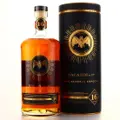 Bacardi Gran Reserva Especial 2003
Column Still Rum | 16 years | 40% | 7.6/10 24 reviews | — |
 Bacardi Caribbean Spiced
Rum Based Spirit | — | 40% | 7.4/10 26 reviews | 34.52 € incl. shipping · 16.38 € per litre |
 Bacardi 8 Años Reserva Superior
Column Still Rum | 8 years | 40% | 7.0/10 169 reviews | 40.48 € incl. shipping · 34.58 € per litre |
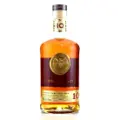 Bacardi Gran Reserva Diez Aged 10 Years
Column Still Rum | 10 years | 40% | 7.0/10 114 reviews | 45.75 € incl. shipping · 55.43 € per litre |
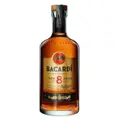 Bacardi Reserva Ocho Rare Gold Rum 2011
Column Still Rum | 8 years | 40% | 7.0/10 80 reviews | 29.64 € incl. shipping · 33.91 € per litre |
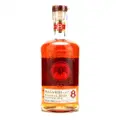 Bacardi Reserva Ocho Rare Gold Rum 2010
Column Still Rum | 8 years | 40% | 7.0/10 73 reviews | 60.12 € incl. shipping · 50.17 € per litre |
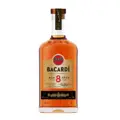 Bacardi Gran Reserva
Column Still Rum | 8 years | 40% | 7.0/10 22 reviews | — |
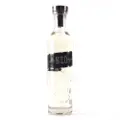 Bacardi Facundo Neo
Column Still Rum | 8 years | 40% | 7.0/10 16 reviews | 65.75 € incl. shipping · 79.79 € per litre |
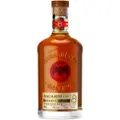 Bacardi Reserva Ocho 8 Anos 2016
Column Still Rum | 8 years | 40% | 7.0/10 10 reviews | 36.97 € incl. shipping · 38.67 € per litre |
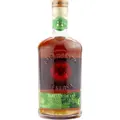 Bacardi Reserva Ocho Rum (Rye Cask Finish) 2014 | 8 years | 45% | 6.8/10 17 reviews | 36.14 € incl. shipping · 43.20 € per litre |
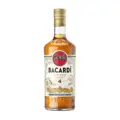 Bacardi Cuatro Añejo 4
Column Still Rum | 4 years | 40% | 6.2/10 104 reviews | 24.75 € incl. shipping · 25.43 € per litre |
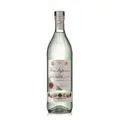 Bacardi Superior Heritage Limited Edition
Column Still Rum | 1 year | 44,5% | 6.2/10 10 reviews | — |
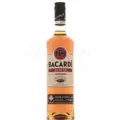 Bacardi Carta Fuego Superior Spiced Rum
Rum Based Spirit | 1 year | 40% | 6.0/10 47 reviews | 26.10 € incl. shipping · 23.14 € per litre |
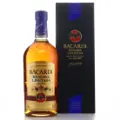 Bacardi Reserva Limitada
Column Still Rum | — | 40% | 5.9/10 24 reviews | 151.74 € incl. shipping · 137.84 € per litre |
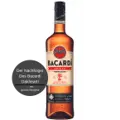 Bacardi Spiced
Rum Based Spirit | — | 35% | 5.8/10 35 reviews | 26.39 € incl. shipping · 20.49 € per litre |
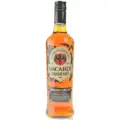 Bacardi Oakheart
Rum Based Spirit | — | 35% | 5.7/10 109 reviews | 55.89 € incl. shipping · 71.41 € per litre |
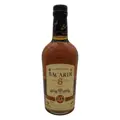 Bacardi Reserva Superior | 8 years | 40% | 5.6/10 19 reviews | — |
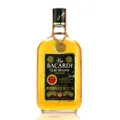 Bacardi Gold Reserve (Añejo)
Column Still Rum | — | 40% | 5.6/10 16 reviews | — |
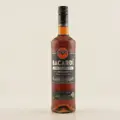 Bacardi Carta Negra
Column Still Rum | 4 years | 40% | 5.3/10 101 reviews | 22.05 € incl. shipping · 23.07 € per litre |
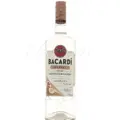 Bacardi Coconut Rum
Rum Based Spirit | — | 32% | 5.2/10 14 reviews | 35.62 € incl. shipping · 31.03 € per litre |
32 bottlings meet the minimum rating count; the 24 best-rated are shown. The rest are in the grid below.
The table lists bottlings with at least 10 ratings.
RumX’s 0–10 scale is strict: 6.0 sits in the “Pleasant” band. 32% of ratings are good or better, 30% are below average. See the full rating guide ›
4,260 bottles logged in tasters' collections, including opened and emptied ones.
+179 additions in the last 3 months.
Additions per month over the last 12 months; dark bars: the last 3.
as of
RumX Guide
Bacardi, explained
Bacardi rum is a Cuban invention without Cuba. Founded in 1862 in Santiago de Cuba, the house was expropriated without compensation after the revolution in 1960 and rebuilt its business in exile. Today the rum is distilled mainly in Cataño on Puerto Rico, in the largest rum distillery in the world, which carries around 85 percent of production, the rest comes from Tultitlán in Mexico among others. Since 1992 the holding, Bacardi Limited, sits in Hamilton on Bermuda, and the company is still family-owned. So the label no longer says Cuba, but the style, light, clean and built for mixing, is still the Cuban one of 1862.
The founding story carries an animal on its crest: a colony of fruit bats nested in the roof of the first distillery, and Doña Amalia, wife of founder Don Facundo Bacardí Massó, made them the logo, a symbol of good luck in Cuba and Spain. What mattered more for the taste was what Don Facundo did in the cellar. He isolated his own yeast strain and filtered the spirit through charcoal, creating the first deliberately light, mild rum, the counter-model to the rough cane spirits of his day. That style is what made the Daiquiri and the Cuba Libre possible in the first place. After the 1960 expropriation the family carried the trademarks and the yeast strain abroad, and the Cuban distillery became a global company.
The question sounds mocking, but it is legitimate, and the answer sits in our database. The core range, from the Carta Blanca to the Reserva Ocho, is rum in the sense of the EU regulation: distilled from molasses, at least 37.5 percent alcohol, no flavouring. Next to it, though, Bacardi runs a wide shelf of products that are legally not rum: Razz with raspberry flavour at 32 percent, Limon, the Spiced at 35 percent, Oakheart. Their RumX product pages therefore say rum-based spirit, the same category honesty as everywhere in the database. The community also rates these bottles hardest by far, the Razz sits at 3.1/10.
The core range is a ladder of ages. At the bottom stands the Carta Blanca, the most rated Bacardi on RumX, built as a white rum for mixing and filed by the community at 4.0/10 across more than 210 ratings, exactly as what it is: a neutral cocktail base, not a sipper. The Añejo Cuatro at four years (6.2/10) is the bridge, the Reserva Ocho at a minimum of eight years is the step into the tasting glass at 7.0/10 across more than 150 ratings, and the Gran Reserva Diez at ten years holds the same 7.0/10 with a darker, oakier profile. All of them come at 40 percent, the Carta Blanca at 37.5 in some markets.
Technically, Bacardi is a textbook of the light column style. Sugar cane molasses is fermented with the house yeast strain the company has cultivated since 1862. Distillation runs on column stills along two tracks: a more aromatic, heavier distillate and a very light, near-neutral one, which age separately in ex-bourbon casks and are only blended afterwards. Before bottling the rum is charcoal-filtered, the Carta Blanca even after ageing, which strips its colour and some of its edges. The tropical climate speeds up maturation, so an eight-year Ocho has seen more cask than the same number would mean in a Scottish warehouse.
The most curious Bacardi story is about a brand the house never founded: Havana Club. The founding Arechabala family let the US trademark lapse after the revolution, Cuba registered it, and in 1997 Bacardi bought the exiled family's claim. Since then there have been two Havana Clubs: the Cuban one from Pernod Ricard that most of the world knows, and a Bacardi Havana Club made in Puerto Rico and sold only in the United States. Behind the dispute sits more than nostalgia, it is the question of who owns a Cuban origin when the company lives on in exile. The full story, including Cuba's side of it, is on our Havana Club page.
The hardest number on this page first: across more than 120 listed bottlings the Bacardi median in the RumX community sits at 6.0/10, and the most rated bottle, the Carta Blanca, at 4.0/10. That is not a crash, it is division of labour, a mixing base being measured against sipping standards. Because at the top it gets interesting: the Gran Reserva Limitada holds 8.0/10, and the Facundo line, named after the founder, reaches 7.9/10 around the ten-year Facundo Eximo. Honesty is also in the data: the Carta Blanca comes back unsweetened in our sugar measurements, while the Reserva Ocho and the Carta Negra are measured as sweetened. The ranked list above shows where each bottle lands.
Free on iOS and Android.