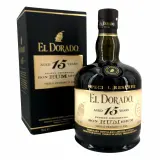


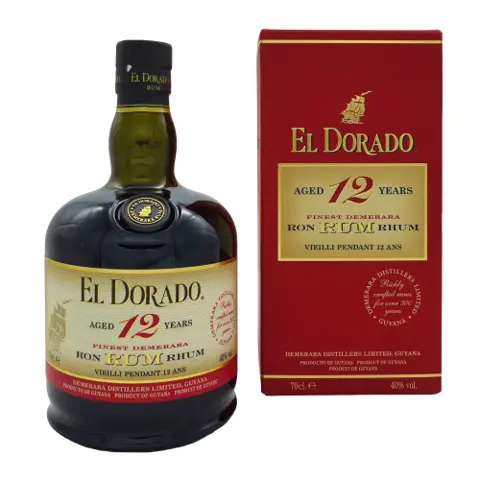
DDL El Dorado 12
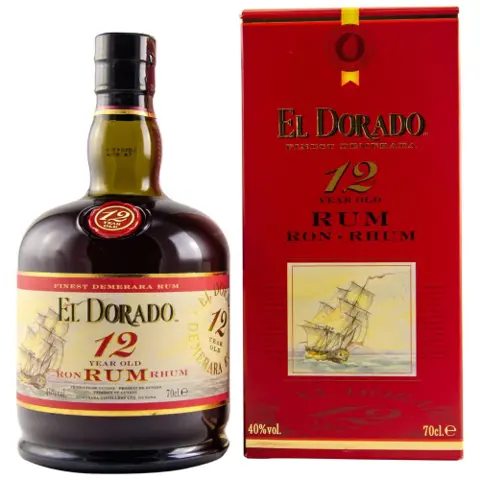
El Dorado
DDL El Dorado 127.3/10 (544 reviews)
Caramel · Vanilla · Molasses
7.8/10 (3,893 reviews)
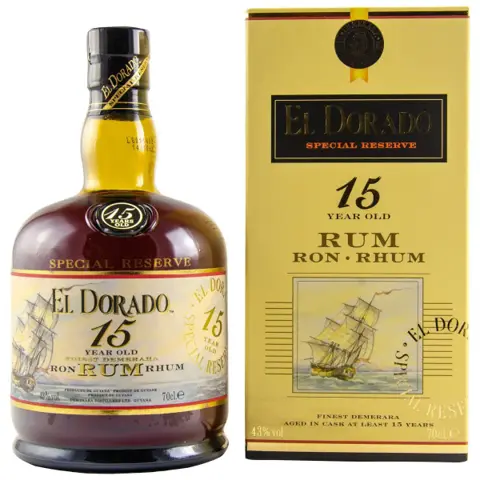
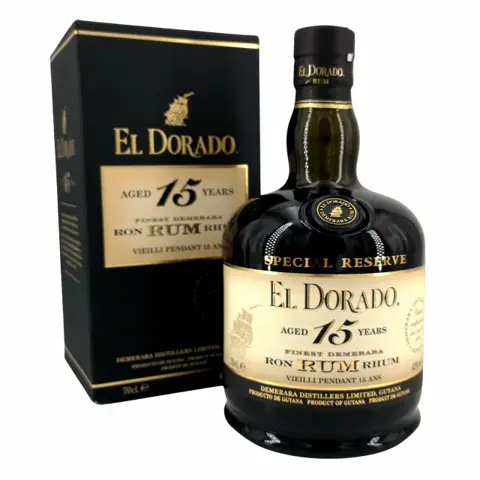
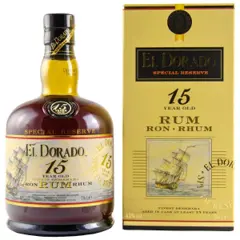 DDL El Dorado 15
7.5/10 (328 reviews)
DDL El Dorado 15
7.5/10 (328 reviews)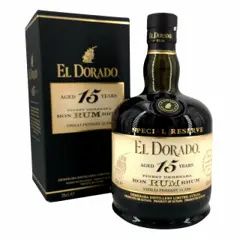 DDL El Dorado 15 (2020 Release)
8.0/10 (264 reviews)
DDL El Dorado 15 (2020 Release)
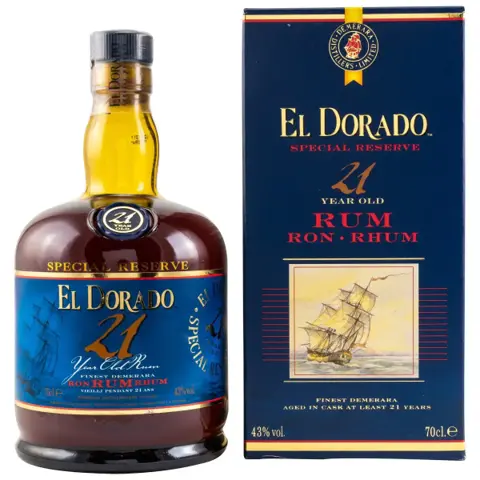
8.0/10 (264 reviews)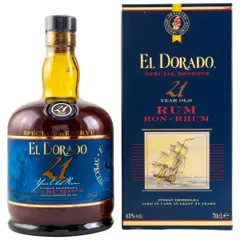 DDL El Dorado 21
7.6/10 (151 reviews)
DDL El Dorado 21
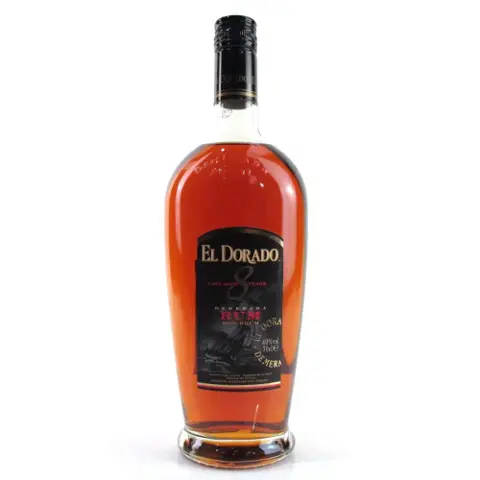
7.6/10 (151 reviews) DDL El Dorado 8
6.8/10 (137 reviews)
DDL El Dorado 8
6.8/10 (137 reviews)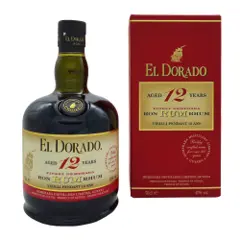 DDL El Dorado 12 (2020 Release)
7.7/10 (121 reviews)
DDL El Dorado 12 (2020 Release)
7.7/10 (121 reviews) DDL Plantation One-Time Limited Edition 2007
7.7/10 (105 reviews)
DDL Plantation One-Time Limited Edition 2007
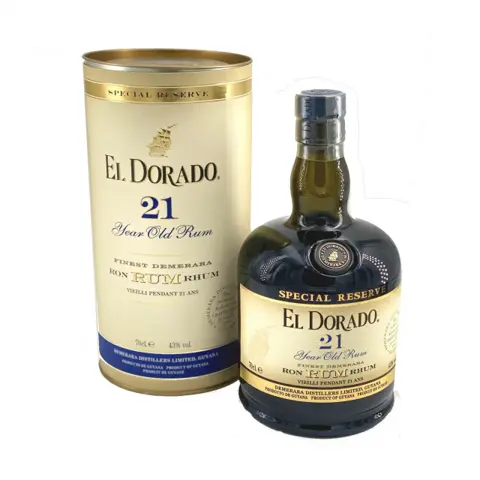
7.7/10 (105 reviews)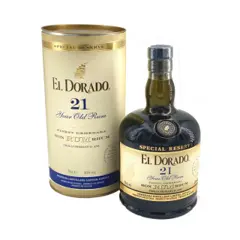 DDL El Dorado 21 (2020 Release)
8.0/10 (98 reviews)
DDL El Dorado 21 (2020 Release)
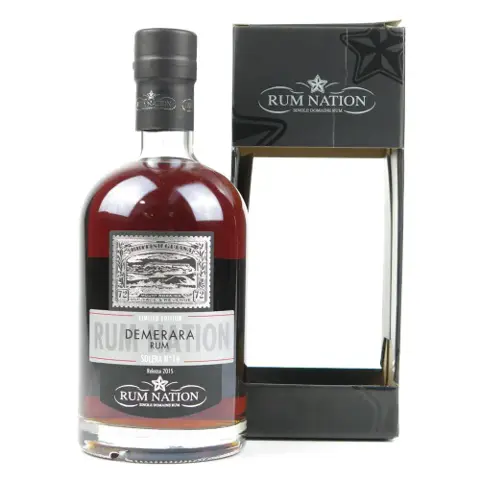
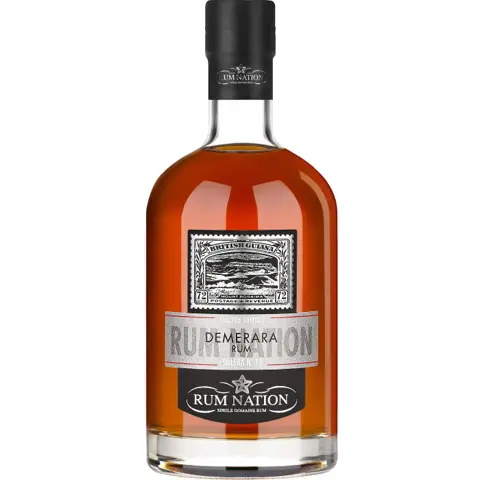
8.0/10 (98 reviews) Rum Nation DDL Demerara Rum Solera No. 14 2015
7.3/10 (91 reviews)
Rum Nation DDL Demerara Rum Solera No. 14 2015
7.3/10 (91 reviews)Demerara Distillers is the company that ended up holding everything. As Guyana's only surviving rum maker, it runs the world's last wooden stills alongside modern columns at its Diamond plant, blends their marks into El Dorado, and is the reason most Demerara on the shelf comes from one address.
257 bottlings, 55 of them available, prices from 40 partner shops. As of October 2026.
Prices incl. VAT and shipping to incl. VAT & shipping to How we rank
By default, what matches your search and filters comes first. Where the match is equal, the rums currently most popular on RumX come first, then those with more ratings. The “Sort” menu shows which order applies and lets you sort by score, number of ratings or price.




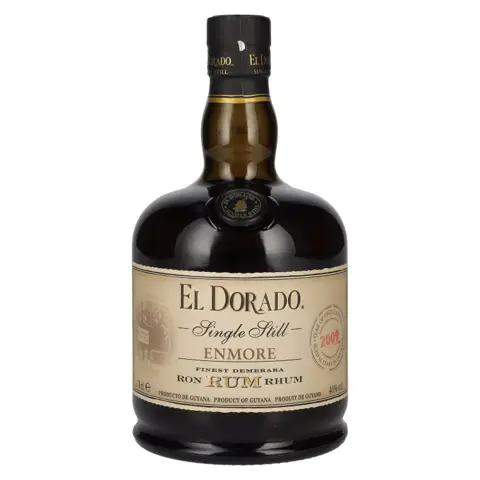
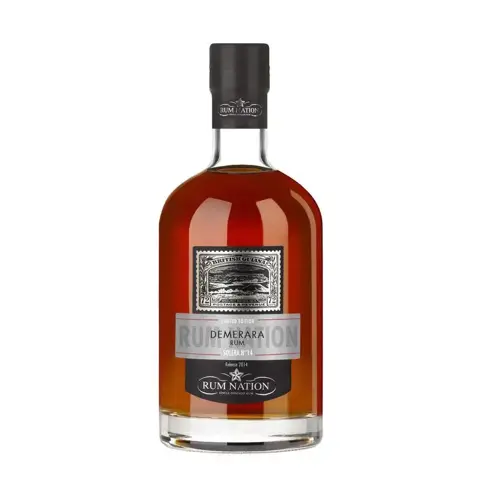
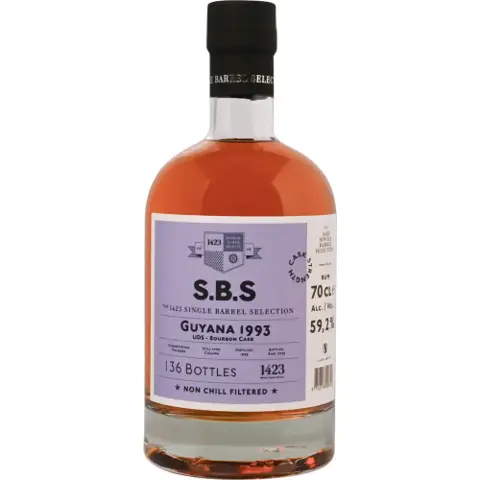
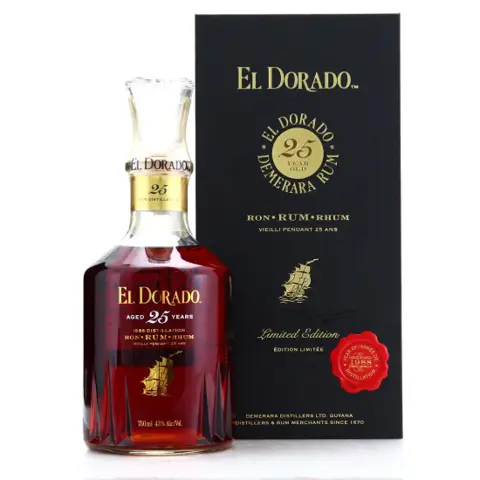





Change your search or remove some filters.
Among rums with at least 30 ratings, Romdeluxe DDL Wild Series Rum Enmore No. 15 MEC 1988 leads with 9.0/10 from 31 ratings. The most rated is DDL El Dorado 12 with 7.3/10 from 544. The 257 bottlings with a known strength range from 16.5 to 75.5% ABV; half of them sit between 43 and 57%.
| Bottling | Age | ABV | Rating | Priceincl. shipping |
|---|---|---|---|---|
| Cadenhead's DDL Pot Still Guyana PDW 1972 | 29 years | 60,9% | 9.2/10 (18 reviews) | not available |
| Romdeluxe DDL Wild Series Rum Enmore No. 15 MEC 1988 Pot Still Rum | 33 years | 50,1% | 9.0/10 (31 reviews) | not available |
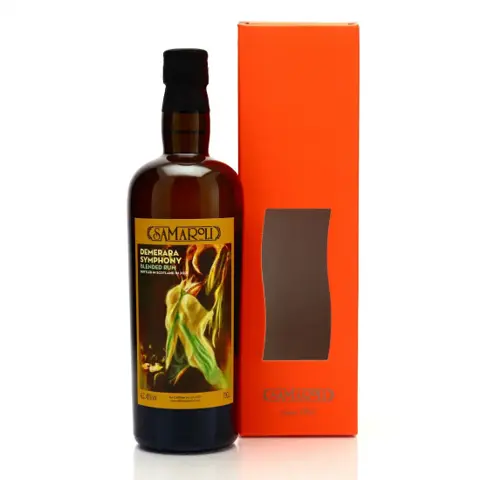
| Samaroli DDL Demerara Dark 1994 | 11 years | 45% | 8.9/10 (22 reviews) | not available |
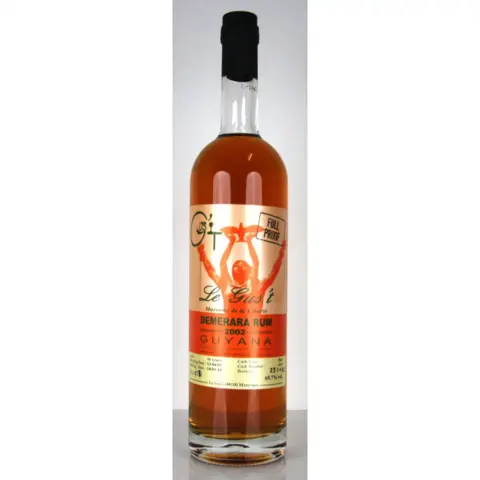
| Le Gus't DDL Marrons de la Liberté 2002 | 16 years | 65,7% | 8.8/10 (64 reviews) | not available |
| Romdeluxe DDL Wild Series Rum Enmore No. 15 MEC 1988 Pot Still Rum | 33 years | 48,2% | 8.8/10 (20 reviews) | not available |
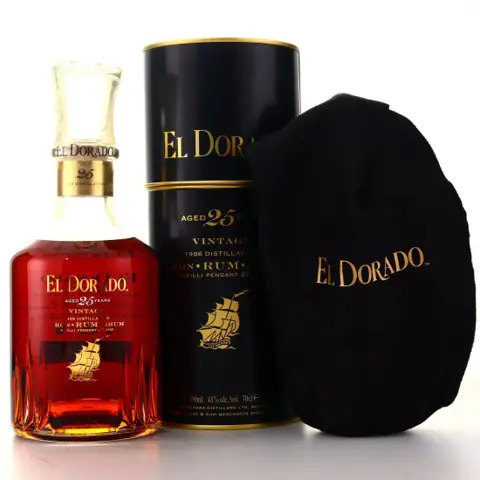
| DDL El Dorado 25 Vintage 1986 Rum Based Spirit | 25 years | 43% | 8.8/10 (10 reviews) | 682.90 € 957.14 € per litre |
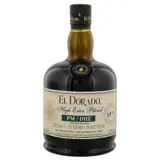
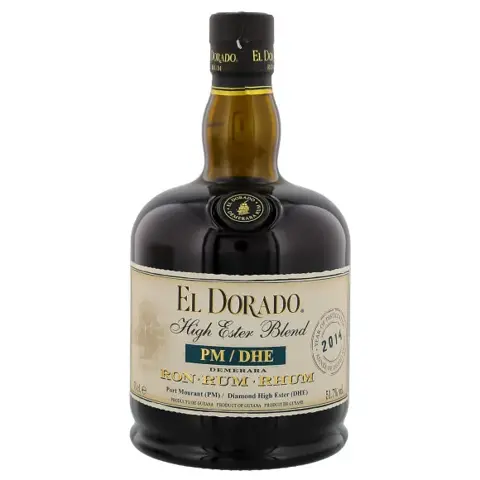
| DDL El Dorado High Ester Blend PM/DHE 2014 Pot Still Rum | 10 years | 51,7% | 8.7/10 (48 reviews) | 160.00 € 228.57 € per litre |
| Le Gus't DDL Marrons de la Liberté Optimum Proof 2002 Pot Still Rum | 16 years | 58,8% | 8.7/10 (16 reviews) | not available |
| SMWS DDL R2.2 Too much of a good thing 1991 | 21 years | 71,4% | 8.7/10 (11 reviews) | not available |
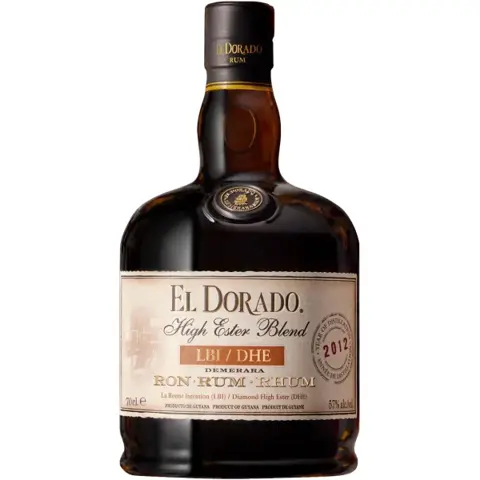
| DDL El Dorado High Ester Blend LBI/DHE 2012 Pot Still Rum | 11 years | 57% | 8.6/10 (89 reviews) | 159.85 € 218.43 € per litre |
| KaribikAlps Premium Traders DDL Soulfire SWR 2018 Column Still Rum | 4 years 10mo | 61,6% | 8.6/10 (30 reviews) | not available |
| DDL El Dorado Cask Strength Single Still Enmore EHP 2009 Column Still Rum | 12 years | 54,3% | 8.6/10 (22 reviews) | not available |
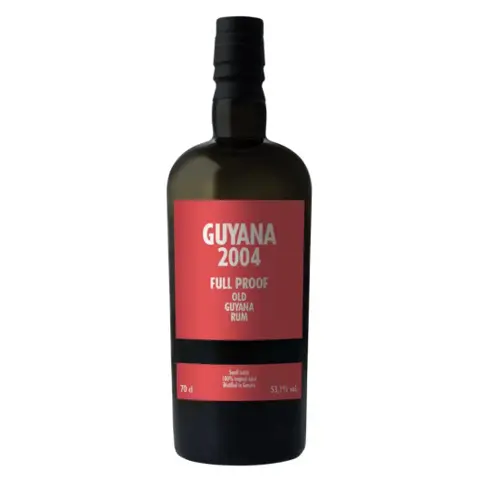
| Velier DDL Guyana (High Proof Old Demerara Rum) 2004 | 21 years | 50% | 8.5/10 (71 reviews) | 337.41 € 458.44 € per litre |
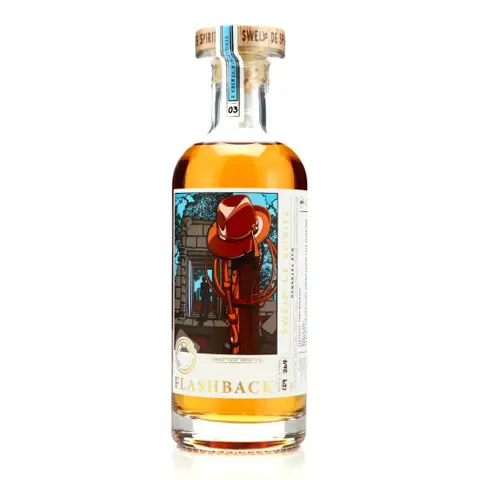
| Swell de Spirits DDL Flashback series #3 1995 Pot Still Rum | — | 53,4% | 8.5/10 (59 reviews) | not available |
| DDL Big Mama Full Proof Private Stock | 14 years | 58,8% | 8.5/10 (35 reviews) | not available |
| Milano Rum Festival & Barmetro DDL Versailles 2006 Pot Still Rum | 16 years | 52,6% | 8.4/10 (56 reviews) | not available |
| DDL S.B.S Guyana 1993 (UDS Bourbon Cask) UDS Column Still Rum | 30 years | 59,2% | 8.4/10 (23 reviews) | 350.00 € 500.00 € per litre |
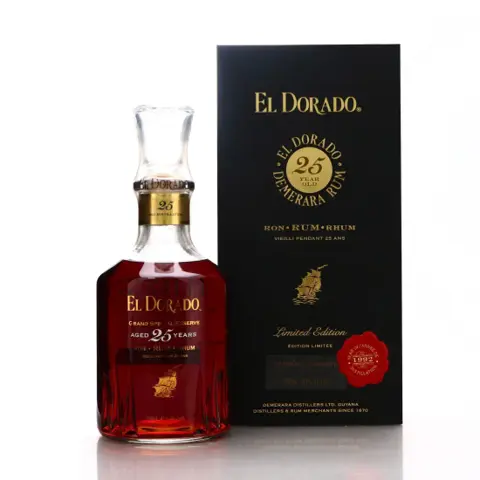
| DDL El Dorado 25 Grand Special Reserve 1988 | 25 years | 43% | 8.4/10 (20 reviews) | 724.95 € 1,017.21 € per litre |
| Romdeluxe DDL Limited Batch Series no 5 (Port Mourant) 2005 Pot Still Rum | 15 years | 58,3% | 8.4/10 (18 reviews) | not available |
| DDL Rum Club Switzerland No.2 SWR 2021 | 5 years | 62,7% | 8.3/10 (13 reviews) | not available |
| Rum4u DDL Guyana Skeldon 2023 SWR Column Still Rum | 1 year 9mo | 64,8% | 8.3/10 (11 reviews) | not available |
| DDL El Dorado Single Barrel Finest Demerara Rum Special Hand Selection The Whisky Exchange 2012 | 12 years | 53,3% | 8.2/10 (20 reviews) | not available |
| Romdeluxe DDL Wild Series Rum Diamond No. 7 2010 | 10 years | 67,9% | 8.2/10 (14 reviews) | not available |
| DDL El Dorado Grand Special Reserve 1992 | 25 years | 43% | 8.2/10 (14 reviews) | 775.76 € 1,084.34 € per litre |
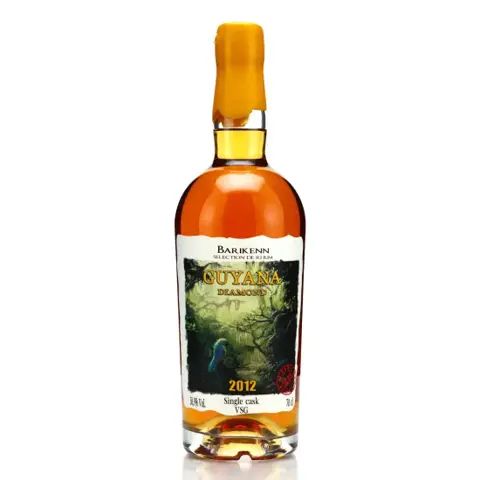
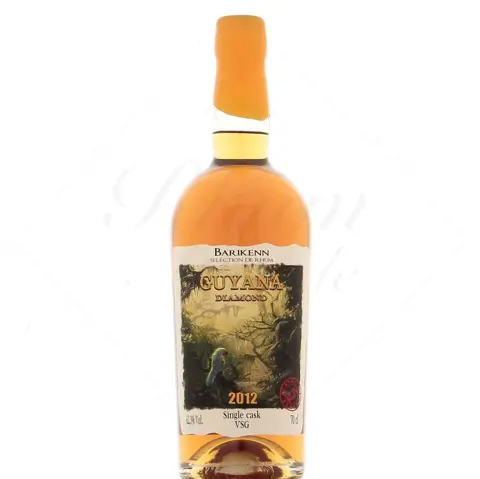
| Barikenn DDL Guyana Diamond VSG 2012 Pot Still Rum | 8 years 6mo | 58,9% | 8.1/10 (34 reviews) | 205.45 € 277.14 € per litre |
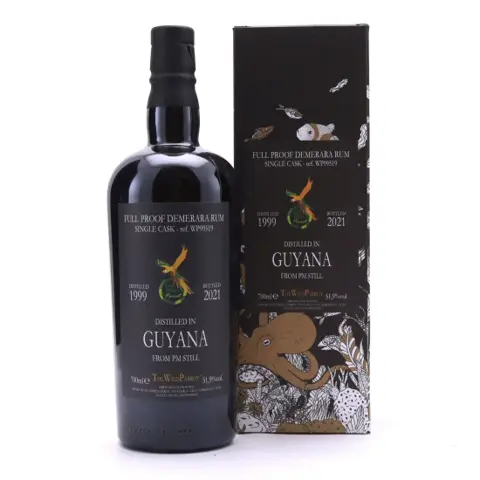
| The Wild Parrot DDL Guyana from PM Still PM 1999 Pot Still Rum | 22 years | 51,9% | 8.1/10 (33 reviews) | 727.29 € 1,003.27 € per litre |
| DDL El Dorado 12 Rum Based Spirit | 12 years | 40% | 7.3/10 (544 reviews) | 40.48 € 49.40 € per litre |
27 of the 71 bottlings with at least 10 ratings are listed here; the rest are in the catalog above.
Head to head
Here you see how the same people rated two rums from this selection.
El Dorado 15
81.00 €incl. shipping · 94.29 € per litre
 El Dorado 12
40.48 €incl. shipping · 49.40 € per litre
El Dorado 12
40.48 €incl. shipping · 49.40 € per litreOf 145 people who rated both, 105 gave El Dorado 15 the higher score, 22 gave it to El Dorado 12.
Your Match Score estimates which of the two is more likely to suit your taste.
The median score is 7.8, which means “Good”. 83% of ratings are good or better, 1% are below average.

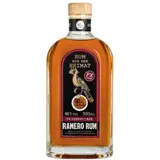
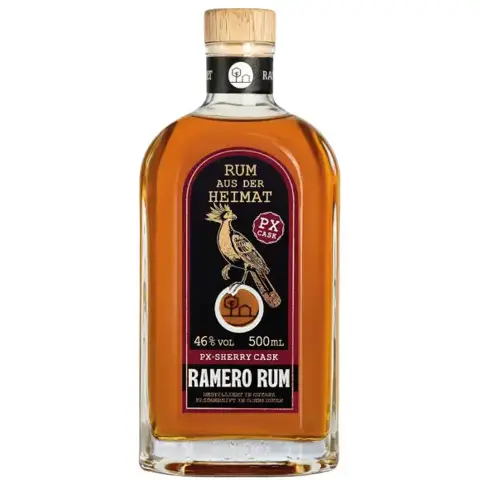
Ramero has made sherry bottlings quite often. However, unlike this time, they were cask strength. One cask should have been left, which is now bottled at 46%. Sherry through and through on the nose, palate, and finish.

I really like this rum a lot. It's very strong, which suits it well. You can detect wood, but it's mostly a really dark Guyana rum, with notes of coffee, mocha, and dark chocolate.

#7185 19.08.2026 Relaxing with a few samples after a nice bike training. Listening to some tracks by Charlotte de Witte on Spotify. Very nice Diamond with a nice price tag at release in my mind. Intense profile with fruits, spice chocolate, pencil shavings, roastd wood, …

This one is a bit puzzling for me… I expected this to be my favorite out of the DHE blends I was able to to taste, but can’t quite confirm that at the first try. On the plus side: this one shows the best balance. Tropical PM and DHE work very well together forming a homogeneous …
After finding out that Guyana rum without added sugar was on offer here, as a Guyana fan I simply had to try it. It was more than worth it. Roasted coffee with caramelized fruit and chocolate shavings. For me, this is THE rum profile par excellence. A little more mature and …

Really nice elegant nose, pure Demerara. Blind, I would guess a mix of Port Mourant and Albion/Skeldon tip because on one hand it comes across very herbal and spicy, on the other hand it brings great sweet, rather heavy notes like cinnamon and coconut. Also very round in taste, …

Goûté en sample et à l aveugle. Je trouve l alcool beaucoup trop présent au nez, comme en bouche Dommage le profil me semblait intéressant avec du sucre demerara, alcool raisin , du boisé un peu humide, réglisse.

Good rum. The years of barrel aging are not many, so the rum's aromas are not covered by vanilla, quite the opposite. It's fairly dry but fruity and spicy. Rounded and everything very well integrated.
Added to the most collections recently.
Highest community ratings for the price, from live offers.
5,654 bottles logged in tasters' collections, including opened and emptied ones.
+292 additions in the last 3 months.
Additions per month over the last 12 months; dark bars: the last 3.
as of
The video starts at 3:38, “From 109 distilleries down to one”. Spoken in German, with English subtitles.
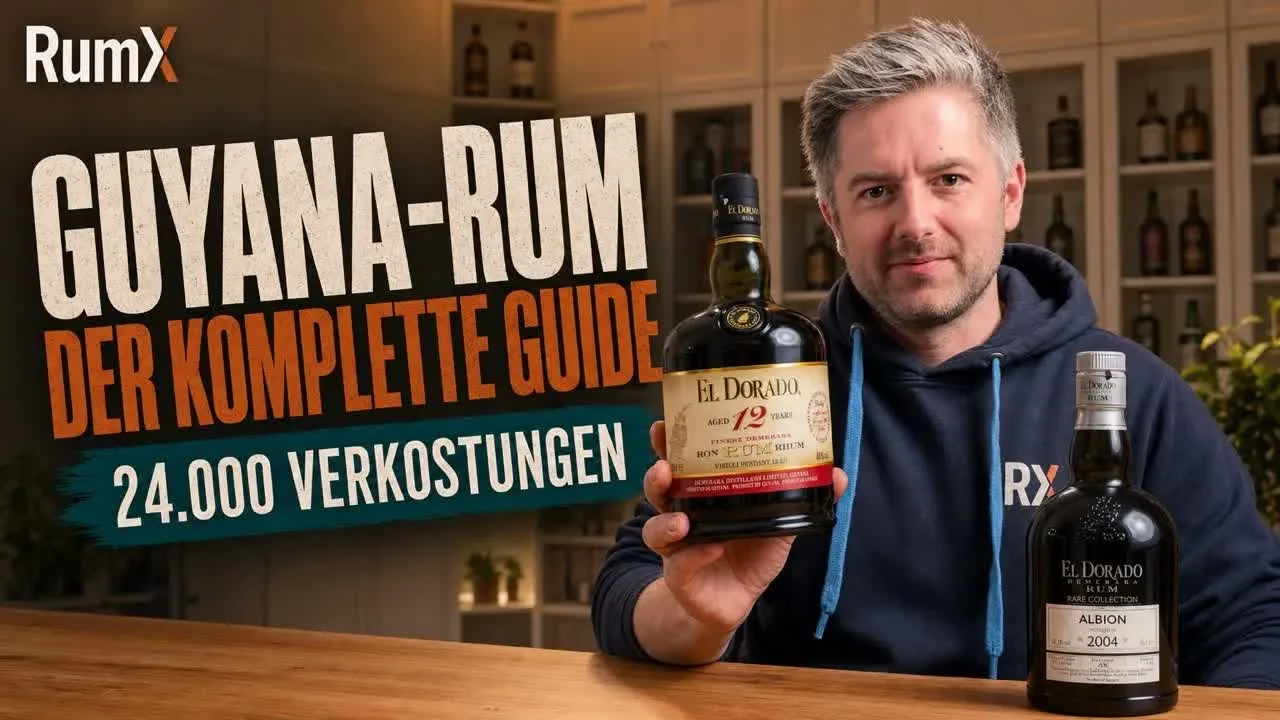
RumX Guide
Demerara Distillers Ltd, explained
DDL makes its own brands El Dorado and Diamond Reserve, plus large volumes of bulk rum for navy-style brands like Pusser's, Lemon Hart and Lamb's, and all of it is distilled at the one Diamond plant in Guyana.
The official range and the independent bottlings of the same marks are two different formats, and that difference is not a verdict on the distillery. Independents buy single marks at cask strength and bottle them undiluted. The official range, from the 12 Year through the 15 Year to the 21 Year, is blended from several of Diamond's stills and cut to 40 to 43 percent. If you want single marks from the closed estates, the vintages table on the Guyana page explains what you are actually buying.
Diamond runs around fourteen sets of apparatus making 24 distinct marks, from a small copper pot to a steel multi-column tower, and at their heart sit the last wooden stills on Earth: the Port Mourant double wooden vat still, source of the heavy, oily PM mark, the Versailles single wooden vat (VSG) and the Enmore wooden Coffey still from the 1880s (EHP), the only wooden Coffey left in the world. All three are built from greenheart. Even they are less simple than the label suggests. A vat still is a wooden vessel with a copper dome, but it feeds a retort of the Jamaican pattern and a rectifying column, and it is heated by injected steam rather than fire. There is a column behind the Port Mourant too.
The metal stills are just as storied. The French Savalle column, from the old Uitvlugt distillery, recreates nine marks, including those of vanished estates like Albion and Skeldon. The 1950s Diamond Coffey stills make the SVW mark, and a small John Dore pot makes DHE, a high-ester rum reaching levels Jamaica is not allowed to export. Two modern vacuum columns handle the lighter Diamond Reserve styles.
There are so many because DDL is what is left after a century of consolidation. Guyana went from 109 distilleries in 1880 to exactly one, and the equipment worth keeping was gathered at the Diamond complex south of Georgetown rather than replaced. Worth being precise about what survived, because the romantic version is wrong: most of the closed estates' stills were scrapped, not saved. Four sets made it. The rest of the estates live on as recipes recreated on the stills that remain, which is why a mark and a machine are not the same thing. We lay that out in full on the Guyana marks table.
And there is an irony worth knowing. In 1908 the Great Diamond estate ran both a Coffey still and a vat still, and in that era both were almost certainly wooden. Diamond scrapped them and moved to metal. A century later, Diamond is the one address on Earth where the last wooden stills still run.
For long stretches yes, with two caveats: the Admiralty's blend was chiefly column still rather than heavy pot still rum, and by 1956 its supplies came from Jamaica or Barbados instead. In 1908 the broker who bought all the Admiralty's rum testified that they "usually take Demerara and Trinidad", but also that the blend was "chiefly patent still rum", not the heavy pot character the marketing implies. Parliament confirmed Demerara and Trinidad again in 1924. By 1956 a minister told the Commons supplies came "not from British Guiana but from Jamaica or Barbados". The daily tot ended in 1970, though the navy style outlived it.
Not as a founding year: 1732 is DDL's date, and you will find it repeated everywhere, but the colonial record still lists Port Mourant as a cotton estate in 1813, and without sugar there is no molasses and no rum. The London Gazette of 26 October 1813 lists the property under seizure as "the cotton estate Port Mourant", and the Gazette of 13 November 1821 calls the same property "the sugar estate called Port Mourant". On the whole Corentyne coast in 1802 there was not one field of cane.
The fair reading is the narrow one: whatever carries 1732, it is not the founding of a distillery on that estate. Copper parts were bought and resold, so a dated component could well be that old. The wood certainly is not, since it gets replaced on a cycle. It makes the still no less extraordinary. It just makes the number a provenance claim rather than a birthday.
Because two things changed upstream of the still, and both cost flavour: the ferment got shorter and the molasses got poorer.
The ferment got shorter. In 1856 a planter's manual gave no clock at all: run the wash into the still "the moment first fermentation ceases", judged by thermometer and saccharometer. A 1913 handbook records 36 to 48 hours. By 1949 it was 28. DDL today is reported at 24 to 26. Shorter means less flavour, though it is a defensible trade when most of your output goes through columns that would strip the heavy compounds anyway.
The molasses got poorer. The vacuum pan, patented in 1813 and first used in Demerara at Vreed-en-Hoop in 1832 by John Gladstone, pulls more sugar out of the syrup, and with it the aroma precursors that used to feed the ferment. A German source from 1890 says it flatly: rum made this way is not as good as rum from muscovado estates. Jamaica held onto the older process for far longer.
Gladstone turns up twice in this story, incidentally. The Liverpool merchants named in that 1813 Port Mourant seizure notice are John and Robert Gladstone, the same family that installed the vacuum pan nineteen years later.
In the short term very little, because the distillery was separated from the sugar business decades ago and buys its molasses, but in the long term it is the whole question. Rum here has always been a by-product of sugar, and Guyana's sugar has been shrinking for two decades. State producer GuySuCo made 331,052 tonnes in 2002, 233,736 in 2009 and 186,500 in 2013. Estates went with it: the La Bonne Intention factory closed in 2011, the Diamond estate around 2012, and the new Skeldon factory built in 2009 was rated one of the weakest in GuySuCo's own review.
If the cane next door stops, the molasses has to be shipped in, and the cost base changes. There is a live example one country away. When Trinidad shut its state sugar industry and the Caroni distillery with it, Angostura had to start importing molasses. Guyana has separated rum from sugar on paper. Whether it can separate them in practice is the thing to watch.
Free on iOS and Android.