
Mai Tai Recipe: The Original 1944 Spec and the Best Rum for It
5 ingredients, no pineapple juice, no grenadine: the real recipe, the $50,000 bottle behind it, and the rum question answered with 433 community tasting notes
The Mai Tai has 5 ingredients: 2 oz aged Jamaican rum, 1 oz fresh lime juice, 0.5 oz orange curaçao, 0.5 oz orgeat, 0.25 oz sugar syrup, shaken hard and served with the crushed ice. No pineapple juice, no grenadine, no umbrella. Time: about 5 minutes.
If that ingredient list surprises you, you are not alone: for decades, most bars and recipe sites have served a red juice bomb under the same name. The original from 1944 knows none of it. Here you get the real recipe, the story of the rum that this drink drank into extinction (a bottle is valued at around $50,000 today), and an answer no recipe site can give you: which rum actually belongs in the glass, answered with 433 tasting notes from the RumX community.
The Recipe
Victor “Trader Vic” Bergeron built the drink in Oakland in 1944 around the best bottle on his back bar, a 17-year-old Jamaican rum. His goal: few ingredients that let a great rum shine, modeled on the Martini and the Daiquiri. That is exactly how the original tastes to this day.
Mai Tai, original 1944 (1 drink)
- 2 oz (6 cl) aged Jamaican rum
- 1 oz (3 cl) fresh lime juice (juice of one lime, keep the shells)
- 0.5 oz (1.5 cl) orange curaçao
- 0.5 oz (1.5 cl) orgeat
- 0.25 oz (0.75 cl) sugar syrup
Method (5 minutes)
- Shake everything hard with plenty of crushed ice. The ice chills the drink and dilutes it to drinking strength.
- Pour it all, ice included, into a double old fashioned glass. Do not strain.
- Place the spent lime shell cut-side down on top: the island.
- Plant the mint sprig next to it: the palm tree. Slap it before the first sip and keep your nose over the mint.
How it tastes: mint and lime oil first, then tropical fruit from the rum, overripe banana, a hint of pineapple, with the nutty sweetness of the orgeat and the orange of the curaçao underneath. Dry and fruity, not sweet. If you know the Mai Tai from beach resorts, this is a different drink.
Over the years, the RumX community has developed its own standard from this formula. It comes from @NH43, who has logged over 400 Mai Tais in his search for the perfect rum, and other members now mix it verbatim:
The community Mai Tai (NH43 spec)
- 2 oz (6 cl) aged Jamaican rum
- 0.75 oz (2.25 cl) fresh lime juice
- 0.5 oz (1.5 cl) orgeat
- 0.5 oz (1.5 cl) Pierre Ferrand Dry Curaçao
- no sugar syrup
The difference from the original: the sugar syrup goes entirely, and the orgeat carries the sweetness alone. The drink gets drier and nuttier, and the rum stands even more clearly at the center.
Glassware is simple here: a double old fashioned glass with room for plenty of crushed ice. The tiki mug is folklore, not a requirement. What each glass does to your rum is covered in our glassware guide.
The Best Rum for a Mai Tai: 433 Community Notes Answer
This question decides the whole drink, and it is older than most bars serving it: pure Jamaican, as in 1944? Or the split with rum from Martinique, which Vic invented out of necessity in the 1950s when his Jamaican stock ran out?
We have something no recipe site has: the RumX community database with over 320,000 reviews from more than 53,000 users. In it, 433 tasting notes mention the Mai Tai verbatim, across 289 different rums. These are bottle notes where people bring up the drink on their own, so treat it as a floor, not a ceiling. The direction is unambiguous all the same:
- 75 percent of all Mai Tai mentions sit under a Jamaican rum. Martinique: 4 percent. And that is despite both countries having almost exactly the same number of rums in the database.
- Every third mention sits under a single distillery: Hampden. 141 of 433 notes.
- The shared flavor profile of the rums mentioned: esters, tropical fruit, banana, pineapple. The classic Jamaica funk, not the barrel. Which is exactly why a real Mai Tai needs no pineapple or orange juice: the fruit comes from the distillate.
Ratings and prices below come from the RumX community’s reviews and logged purchase prices (as of August 2026). Six bottles, laid out as a ladder from starter to community darling:
Appleton Reserve
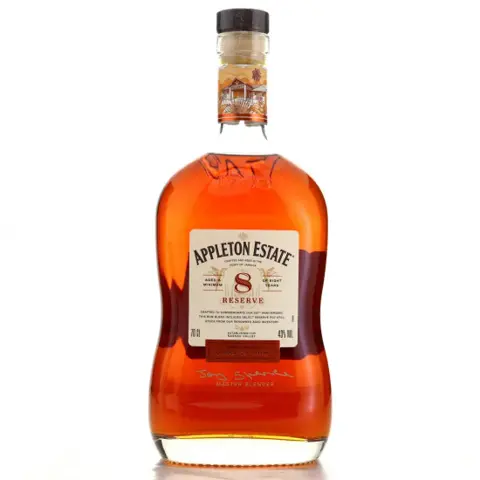 Appleton Reserve
Fruity, smoky everyday Jamaican, light funk
Best for: The gentle Jamaican entry: banana, vanilla, honey at 43%. Also @NH43's recommendation for beginners.
Widely liked as a well-priced daily Jamaican — fruity nose, spicy-smoky palate. The common gripe: not much funk, and some find it a bit straightforward next to the 12.
Long Pond & Clarendon Plantation XAYMACA Special Dry
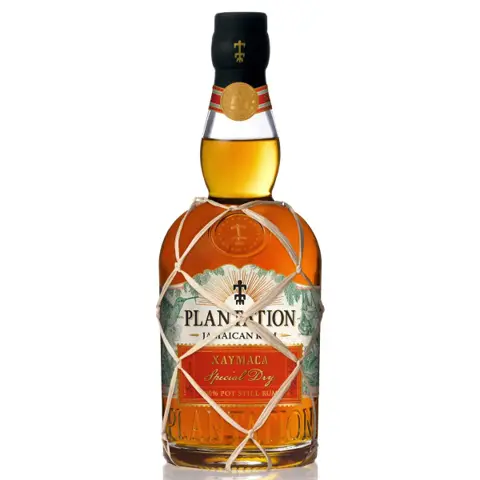 Long Pond & Clarendon Plantation XAYMACA Special Dry
Fruity nose, dry finish, easy Jamaican mixer
Best for: Jamaica funk in an approachable, deliberately dry package: the community's second starter tip.
Most see a well-priced, easy entry into Jamaican funk — fruity nose, dry palate. Some love how clean it drinks; others find it too soft, dry, or "whisky-like" to enjoy neat.
Smith & Cross Traditional Jamaican Rum
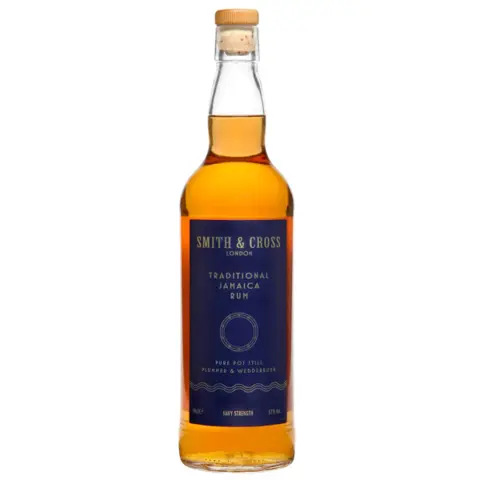 Smith & Cross Traditional Jamaican Rum
Hot, funky Jamaican best for cocktails
Best for: The community's most-mentioned Mai Tai rum: 57%, overripe banana, under 30 euros.
Adored as a bang-for-buck Jamaican funk bomb. Fruity, estery and characterful, but many find it too hot and prickly to enjoy neat, so most keep it for cocktails.
Plantation O.F.T.D. Overproof
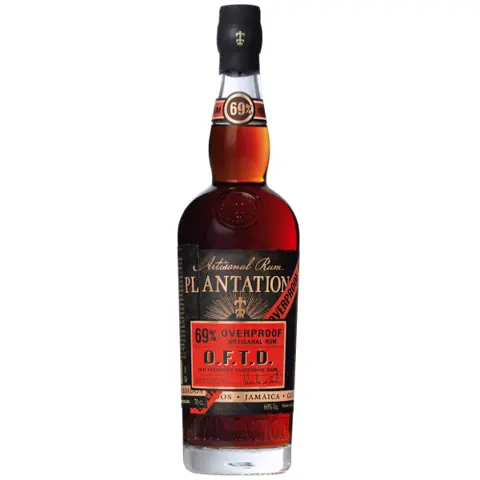 Plantation O.F.T.D. Overproof
Punchy overproof mixer with chocolate and banana
Best for: The blend partner: half and half with Smith & Cross is the forum's cheapest great combo.
Loved as an overproof mixer that also holds tropical fruit, chocolate and caramel. The catch: neat it burns and reads thin on complexity, so most reach for cola or cocktails.
Hampden Pure Single Jamaican Rum 8 Years Old OWH
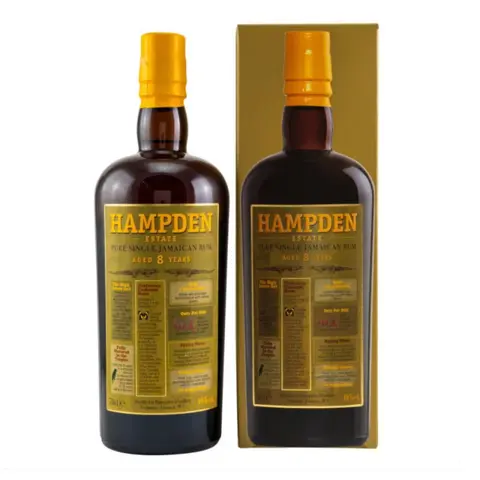 Hampden Pure Single Jamaican Rum 8 Years Old OWH
Easy, fruity entry-level Hampden funk
Hampden Pure Single Jamaican Rum Classic HLCF 2017
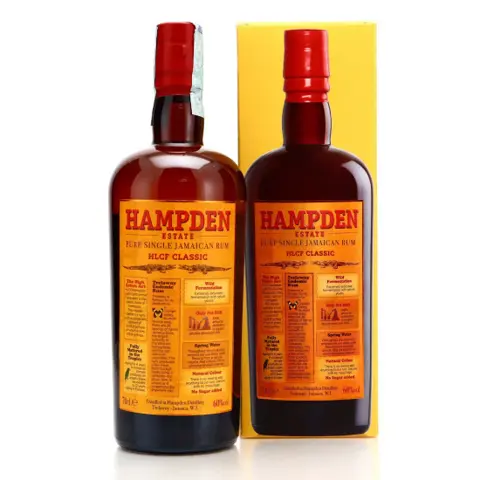 Hampden Pure Single Jamaican Rum Classic HLCF 2017
Funky young Hampden, pineapple and glue
Best for: The community darling for a special-occasion Mai Tai: pure esters, community score 8.3.
A go-to daily Hampden most people rate highly, with all the funky ester markers. Several find it a touch young, edgy, or flatter than the older Overproof — but hard to fault for the money.
Prefer to hunt on your own? The rum finder narrows it down to your style in four questions.
The voices behind the data
The Jamaican purist position, from the Mai Tai chronicler himself:
“Personally I just prefer keeping it authentic with a 100% Jamaican share. That is how it was invented back then.” @NH43 in the Ultimate Mai Tai thread (translated)
The budget perspective:
“My default tiki blend is 50/50 of a funky jamaican and (overproof) demerara rum. The most affordable combo there is Smith & Cross and Plantation OFTD.” @Mkemp in the King of Tiki thread
And the ceiling, in case you wonder how far this can go:
“In the last 15 years I think I have had exactly three absolute ‘wooohooo’ moments in a Mai Tai.” @FlorianRedbeard, also in the King of Tiki thread, about a 17-year-old Hampden (translated)
The discussion has been running for over 4 years across close to 300 posts in three major threads. Beginners get patient answers there; deep divers get lost for evenings.
Orgeat: The Secret Ingredient
Orgeat (pronounced roughly “or-zhat”) is an almond syrup with orange blossom water, sometimes rose water. It brings nutty richness, sweetness and texture, and after the rum it is the most important ingredient in the glass. Plain almond syrup works for a first attempt but quickly tastes of marzipan instead of almonds.
Buying: Two brands dominate the RumX community’s specs: Meneau from France, the long-time reference, and Liber & Co. from Texas, the current favorite, so sought-after that restock alerts get posted in the forum like sneaker drops. Widely available and solid: Giffard, plus craft options like Small Hand Foods and Latitude 29 in the US.
Making your own pays off if you mix often. The community recipe in short: roast 500 g of almonds, grind coarsely, simmer in 1 l of water with 500 g of sugar, let it steep covered for a day, then strain several times. A dash of orange blossom water lifts the aroma; a splash of rum preserves it. Keeps for a few weeks refrigerated.
The History: The Cocktail That Drank Its Own Rum
Oakland, 1944. Victor Bergeron, known as Trader Vic, was a storyteller by trade: he liked telling guests a shark had bitten off his leg (it was childhood tuberculosis). His Mai Tai story goes like this: he reaches for the best bottle behind his bar, a 17-year-old Jamaican rum from J. Wray & Nephew, builds a new drink around it with lime, curaçao, orgeat and sugar syrup, and serves it to two friends from Tahiti. Carrie Guild takes a sip and calls out “Maita’i roa a’e!”, Tahitian for roughly “the best, out of this world”. The name was found.
The feud. Donn Beach, the inventor of the tiki bar itself, claimed all his life that the Mai Tai was based on his 1933 Q.B. Cooler. The conflict went to court in 1970 and ended in Trader Vic’s favor, thanks in no small part to a sworn affidavit from Carrie Guild, the woman from the first sip, 26 years later. Vic himself put it less legally: “Anybody who says I didn’t create this drink is a dirty stinker.”
The rum that vanished. The Mai Tai became so popular after the war that the world’s supply of 17-year-old Wray & Nephew was drunk dry by the 1950s. Vic switched to the 15-year-old, then blended in other Jamaicans, and finally stretched the base: half Jamaican, half rum from Martinique. Important for anyone chasing “historical accuracy” today: that Martinique rum was molasses-based, not grassy rhum agricole. Even the IBA’s official recipe reads “Martinique Molasses Rhum”.
An original bottle of Wray & Nephew 17 is valued at around $50,000 today; only a handful survive worldwide. The Merchant Hotel in Belfast mixed Mai Tais from its bottle starting in 2007 at £750 per glass, then a Guinness World Record for the most expensive cocktail. And in 2023, Appleton Estate, today part of the same company as Wray & Nephew, recreated the lost rum under master blender Joy Spence: the Appleton 17 Year Legend, 1,500 bottles at $500. In the RumX community, the recreation holds a median score of 8.5 out of 10 with a median purchase price around 500 euros, and retail prices have climbed well past that.
The juice-bomb era. Vic kept his recipe secret for almost 30 years. Bars that wanted the famous drink on their menu had to guess, and guess they did: pineapple juice, grenadine, amaretto, and from the 1970s ready-made “Mai Tai mix”. That is where the red slushy version comes from. It took the tiki archaeologists of the 1990s (above all Jeff “Beachbum” Berry) and bars like Smuggler’s Cove in San Francisco to dig the original back up. Since 2009 the drink even has its own holiday: August 30 is Mai Tai Day, proclaimed by its birthplace Oakland, which made the Mai Tai its official city cocktail in 2024.
Common Mistakes
- Pineapple juice, orange juice, grenadine: that is the Hawaii hotel variant, a legitimate drink of its own, but not the original.
- Amaretto instead of orgeat: the liqueur is no substitute for the syrup; it makes the drink boozier and marzipan-sweet.
- Ready-made “Mai Tai mix”: the very product the 1970 lawsuit was fought over. Fresh lime is non-negotiable.
- Neutral white rum: the drink lives on the rum’s character. A neutral rum makes an empty Mai Tai.
- Rhum agricole sold as “historically correct”: a widespread myth; the historical Martinique share was molasses rum (see history).
- Cubed ice instead of crushed: the drink needs the fast chill and controlled dilution of fine ice.
- Garnish overkill: lime shell plus mint sprig paint the picture of an island with a palm tree. Umbrellas and fruit salad just hide the drink.
Frequently Asked Questions about the Mai Tai
Now You
Mix the original exactly to spec once before you start tweaking; the distance to the juice bomb is the whole point. Once you have found your bottle, log your tasting note in the RumX app or drop it into the King of Tiki thread, where glasses have been raised nightly for years.
Get the RumX AppRelated articles
Old Fashioned Recipe with Bourbon or Rum
Old Fashioned with bourbon or rum: exact measurements, step-by-step preparation, sugar tips, and six aged rums from the RumX community.
Read more →
Rum Glasses: Which Glass Actually Makes Your Rum Better?
Rum glasses compared honestly: nosing glass, Glencairn, 1920s Blenders & Riedel – distilled from 227 community posts, with measurements and practical tips.
Read more →
Rum Glossary: Key Terms Every Rum Lover Should Know
From ABV to White Rum — learn the essential rum terminology. A complete glossary of rum production, styles, and tasting terms.
Read more →