
Diplomático Reserva Exclusiva
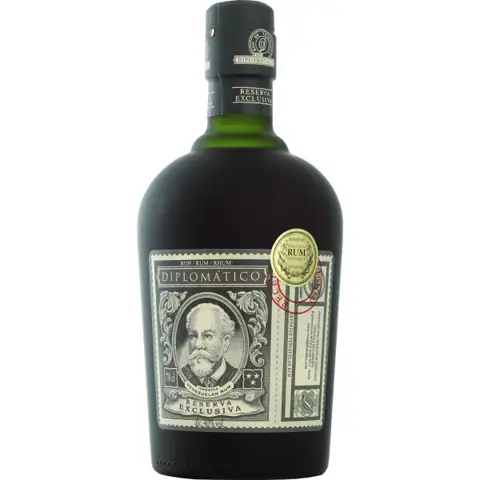 Diplomático Reserva Exclusiva
Sweet, mild starter rum that many outgrow
From the formula recorded in 1806 to Stefan's high-end build: recipes, community bottles, and the video to mix along
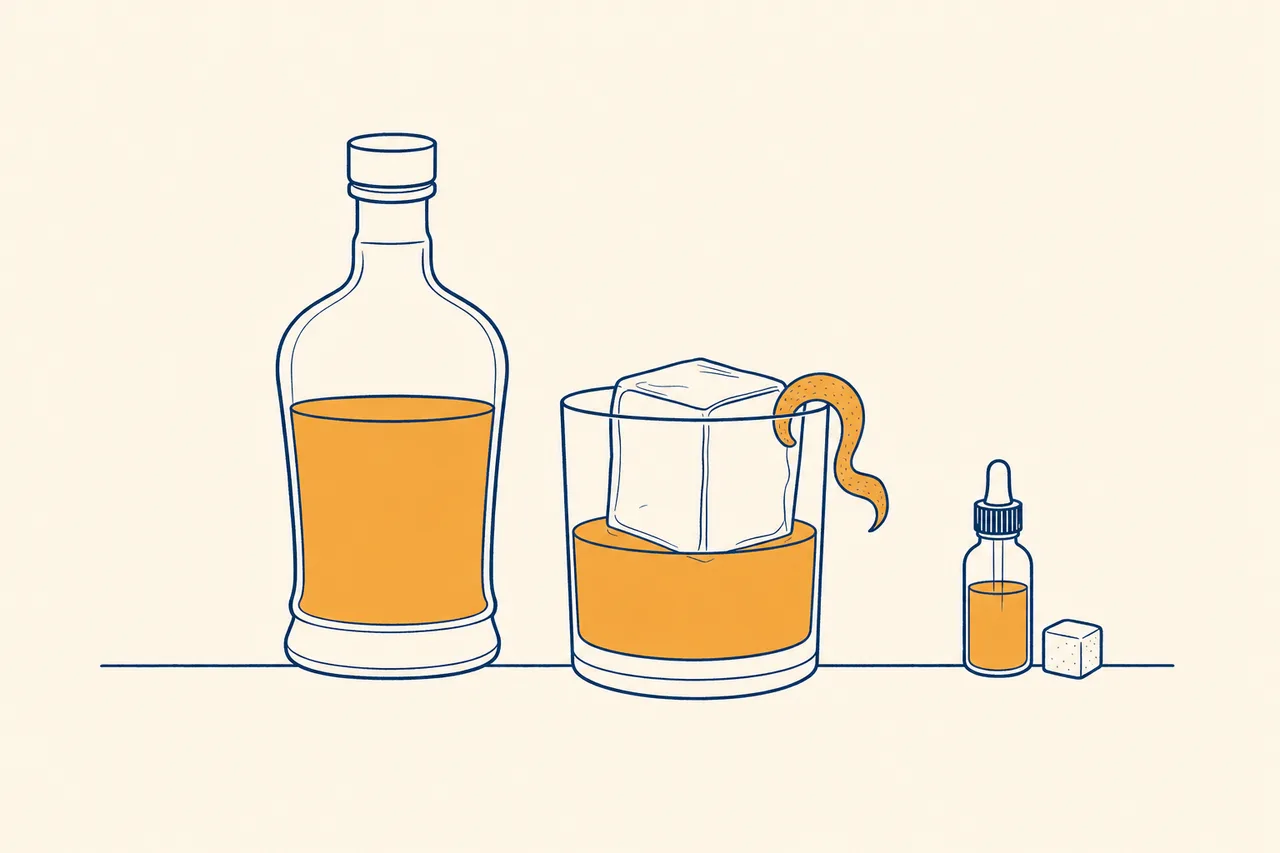
The Old Fashioned consists of four ingredients: spirit, sugar, water, bitters. The base recipe: 6 cl bourbon or aged rum, 0.5 cl sugar syrup, 2 dashes of Angostura, stirred briefly on ice, served with an orange zest. Time: about 3 minutes. With sweetened rums, start out without the syrup.
Every serious bar has it on the menu, and if not, the bartender mixes it from memory with an approving nod. Don Draper built it a monument in “Mad Men”, the cocktail renaissance carried it back onto the throne. Here you get the classic recipe, the history behind it, and a thesis we stand behind as a rum platform: With the right rum, this drink doesn’t get more exotic, it gets more consistent. How far the formula stretches is shown by four variations from bar, magazine, and community further down.
The base formula has been in writing since 1806; the water arrives as meltwater from the ice. Here are both versions:
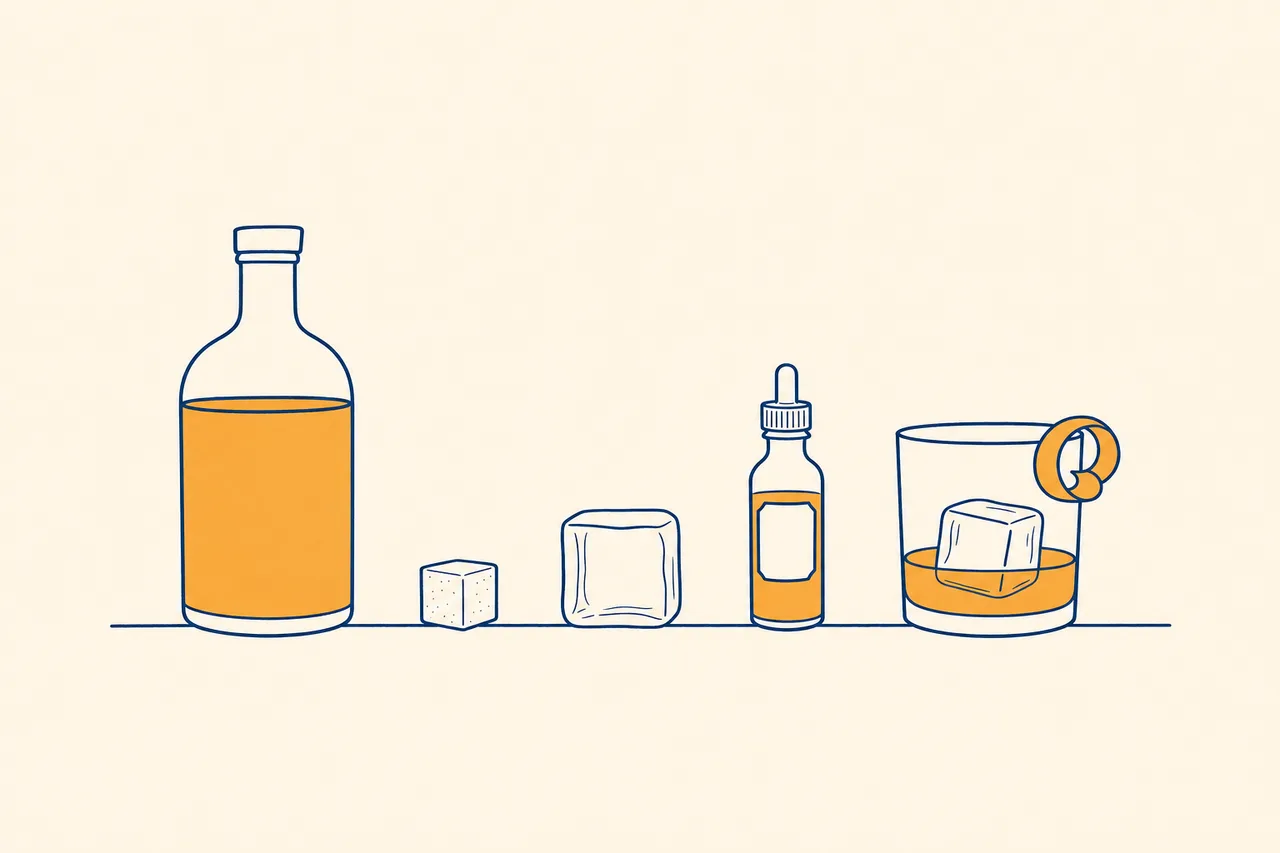
Classic with bourbon (1 drink)
How it tastes: The orange is there from the first nosing, bright and fresh over warm wood, vanilla, and a hint of leather. For a moment you’re sitting in a dim bar high above Manhattan, sometime in the 1920s. The first sip is cold and then turns warm: orange and dark chocolate settle velvety on the palate, a fine sweetness and dry bitter notes hold everything together. The jazz only plays in your head.
Rum Old Fashioned (1 drink)
Preparation (3 minutes, applies to both)
How the rum version tastes: same game, different climate. From Manhattan straight to Havana, no layover. On the nose, dark molasses, ripe fruit, and green herbal notes, topped by the freshness of the zest. On the palate, the tropical sweetness dances with bitter cocoa while the spices of the Angostura bitters bring depth and a long finish.
The glass is no side note here, the drink is named after one: The low, thick-walled beaker is internationally called an Old Fashioned glass, a tumbler. In a pinch, a small water glass will do. What each glass does to your rum is covered in our glass guide.
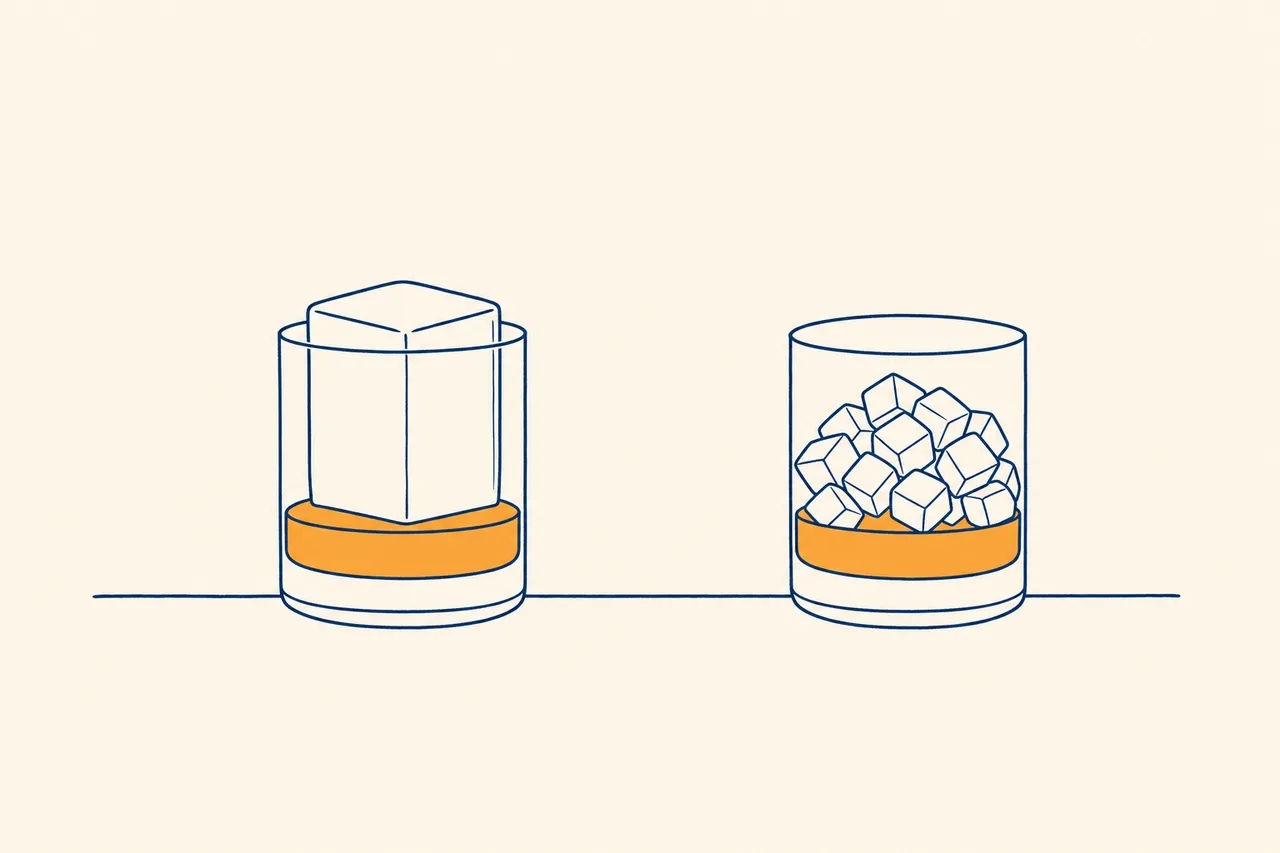
Many popular aged rums are sweetened at the source. The Diplomático Reserva Exclusiva, for example, is listed on RumX as a sweetened rum, just like the El Dorado 12. With bottles like these, start without syrup and sweeten at most afterwards, or the drink tips into dessert. How much a rum can take depends on the dose: heavily sweetened bottles need nothing at all, moderately sweetened ones often still take half a bar spoon. Tasting your rum first takes ten seconds; fishing syrup back out of the glass takes considerably longer.
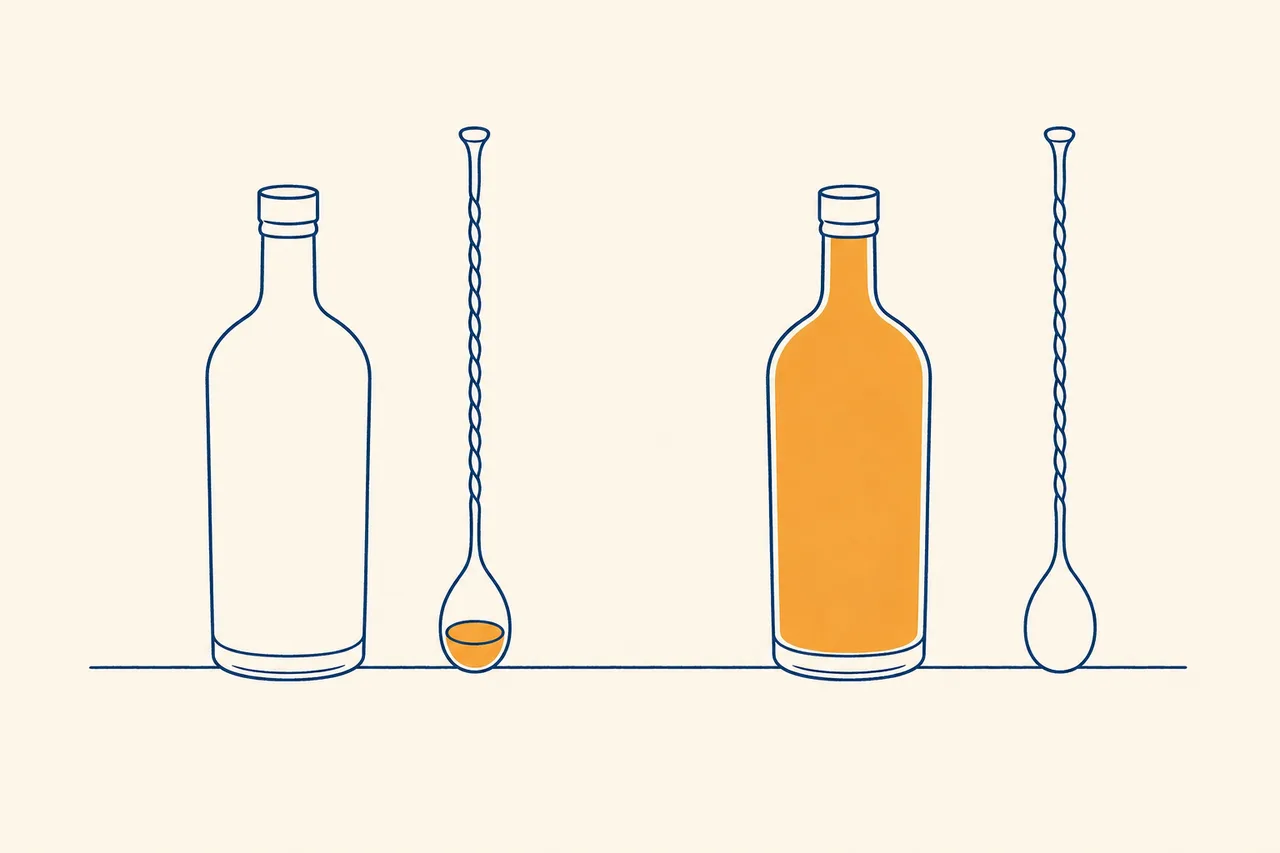
The Old Fashioned was always closer to rum than its whiskey iconography suggests: Its standard bitters, Angostura, was developed in 1824 by the German physician Johann Siegert in the town of Angostura in present-day Venezuela, and has been produced in Trinidad since 1875.
The bigger difference shows in the glass. The classic Old Fashioned with bourbon works because everything fits: vanilla, caramel, and toasted wood from new American oak, plus sugar, bitters, and the oils of the orange zest. But that’s also exactly its limit: Almost all components move in the same direction; the drink confirms the base note instead of expanding it.
Aged rum brings the same barrel aromas and therefore carries the structure of the drink effortlessly. Its sweetness works differently though: Even a completely unsweetened rum can taste sweet, through fruity esters from fermentation, vanilla and caramel from the barrel, and its texture. Depending on origin, you get orange peel, pineapple, or banana, but equally tobacco, leather, cocoa, herbs, or an almost mineral dryness. Bitters and zest pick up what’s already there and carry it further.
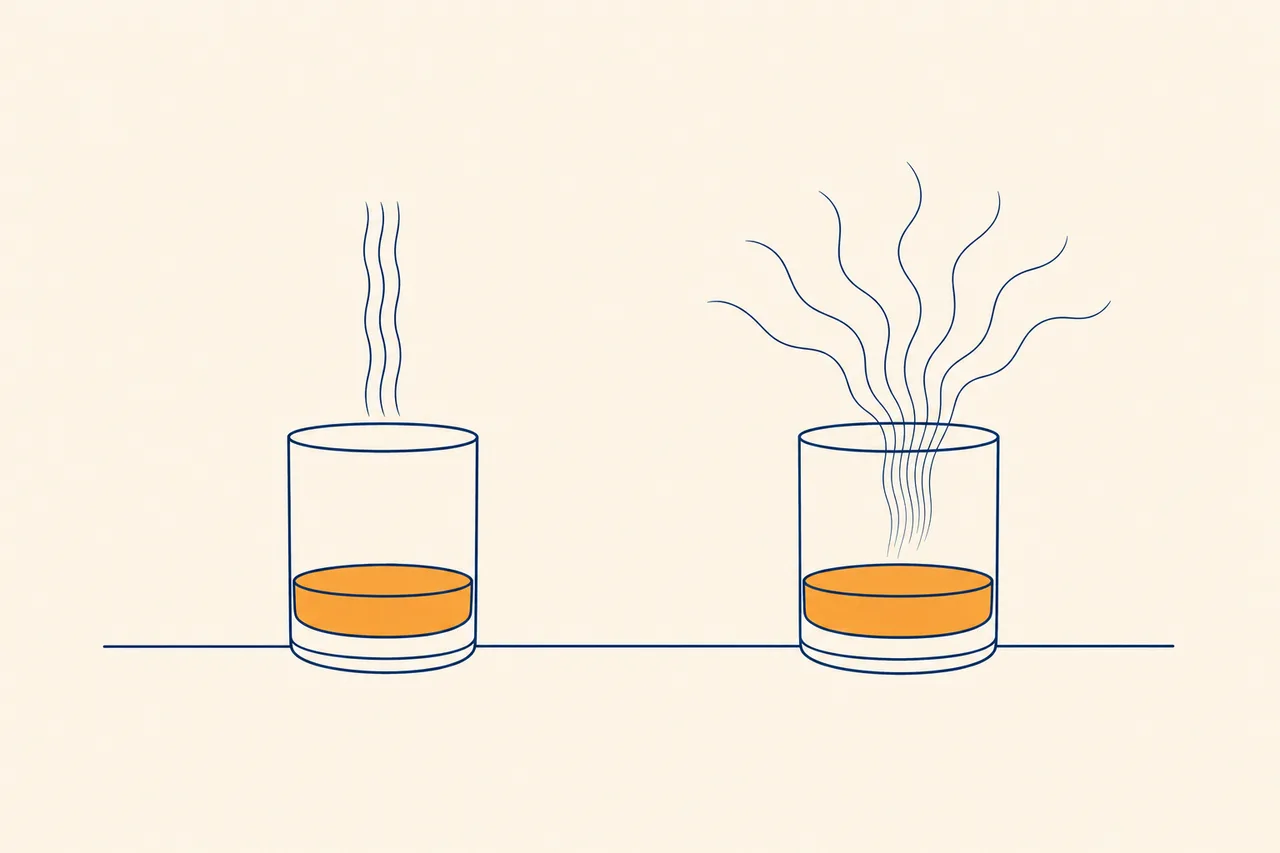
That’s why the tropical kick of a rum Old Fashioned needs neither pineapple juice nor coconut syrup. It comes from the distillate.
And then there’s origin. Bourbon has a tight legal framework (and still more range than its reputation suggests); rum is distilled in dozens of countries under completely different traditions. The drink changes character with every bottle: With an ester-rich rum from Jamaica it turns expressive and fruity, with a rum from Guyana dark and licorice-like, with an agricole from Martinique herbal and dry, with a bottling from Barbados classically balanced, with a rum from Venezuela round and soft.
Reduced to typical tendencies:
| Bourbon | Aged rum | |
|---|---|---|
| Sweetness | Barrel plus sugar, one direction | Fruit, barrel, and texture: often tastes sweet, even unsweetened |
| Aroma range | Vanilla, caramel, toasted wood | Fruit, citrus, cocoa, tobacco, leather, earth, minerality |
| Origin | One country, tight rules | Dozens of countries and traditions |
| In the Old Fashioned | The reliable classic | The same formula, a different result with every origin |
The scores and prices don’t come from us but from the ratings and purchase prices of the RumX community (as of August 2026). And this is no podium ceremony: A rum scoring 8.0 can fit your glass worse than one scoring 7.3. Here’s how to find the entry that matches your taste:
Diplomático Reserva ExclusivaSweet, mild starter rum that many outgrow
Best for: Round & sweet from Venezuela, the safest entry. Sweetened at the source: skip the syrup at first.
A true beginner's classic that splits the room over one thing: the sweetness. Newcomers find it easy and welcoming, seasoned drinkers call it one-dimensional and over-sugared.
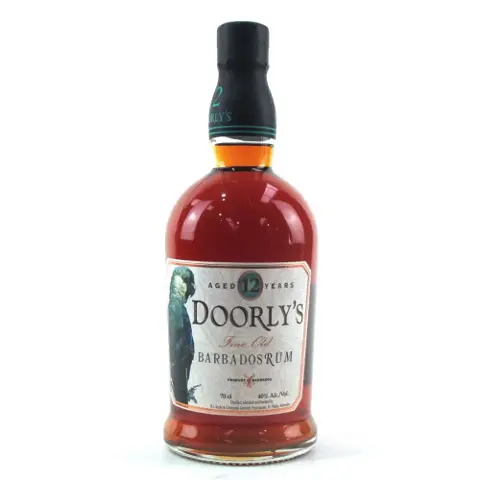 Foursquare Doorly's 12 Years
Smooth, oaky Barbados daily sipper
Best for: Classic & dry from Barbados, the value champion of this list.
Widely loved as an honest, well-aged daily sipper at a fair price. The recurring gripe: 40% and the oak can leave keen drinkers wanting more punch and freshness.
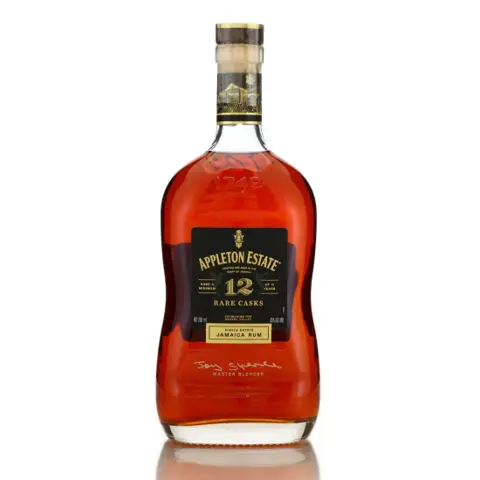 Appleton Rare Casks 12 Years
Rounded, oaky Jamaican with gentle funk
Best for: Fruity & fine from Jamaica: orange peel meets orange zest.
Widely loved as a well-rounded, oak-forward Jamaican that sips easily and shines in a Mai Tai. Most wish it hit harder — the 43% and quiet esters leave funk fans wanting more.
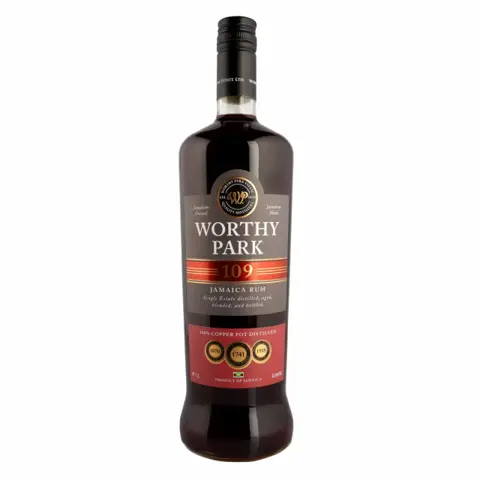 Worthy Park 109 Jamaica Rum
Funky, banana-and-cola Jamaican mixing powerhouse
Best for: Powerful 54.5% from Jamaica: use only 4 to 5 cl.
Loved as a high-proof mixer with real Worthy Park funk and unbeatable value. Most say it holds up brilliantly in cocktails; neat it can read hot, woody and a little one-note.
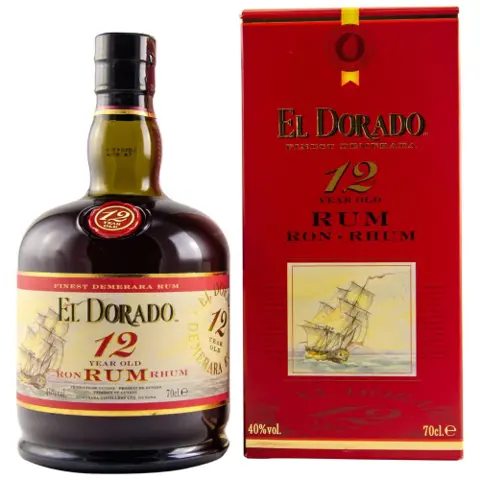 DDL El Dorado 12
Soft, sweet caramel-and-vanilla starter Demerara
Best for: Dark & spicy from Guyana. Also sweetened: skip the syrup at first.
Loved as an easy, caramel-heavy starter Demerara. Reviewers agree it's smooth and pleasant; the recurring gripes are sweetness, a light body, and less depth than the 15.
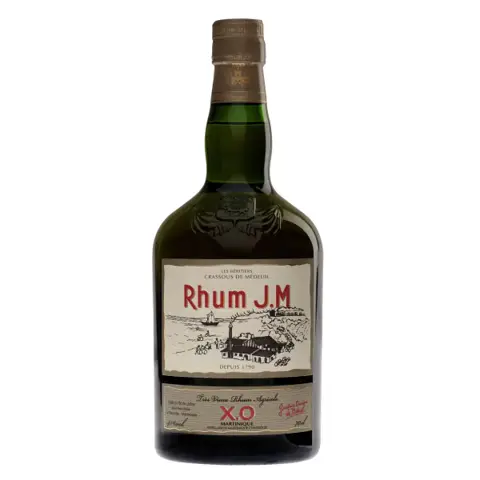 Rhum J.M XO
Balanced, cask-forward gateway agricole
Best for: Grassy & dry from Martinique: the agricole twist for connoisseurs.
Most people treat this as the reference entry-level Martinique agricole: balanced, fruity, spicy, not too grassy. The common gripe is it's pleasant but not very complex, and turns dry and woody late.
If you’d rather search yourself: The rum finder walks you to your style in four questions.
We put the same question to the RumX forum: What’s your favorite rum for an Old Fashioned? At the time of writing in August 2026, the poll was led by the El Dorado 15 in the 2020 release, which, unlike the El Dorado 12, is unsweetened, so the syrup may stay. Tied behind it: Appleton Rare Casks 12, Doorly’s 14, Pusser’s 15, and the La Sirène by Compagnie des Indes.
Even more valuable than the votes are the tricks from the thread:

“Always demerara syrup. And preferably a rum with a fair amount of age and body that can hold up to the syrup and bitters: Doorly’s with 5 ml of El Dorado 15 on top works great. The alternatives are endless, thank god.”

“I grabbed the rum blind, a lucky pick, as I found that evening and ever since.”

“What I do now is a split base: half rum, half cognac or bourbon. I prefer it over rum alone.”
One member of the thread lives this topic more consistently than most: @crazyforgoodbooze, who also contributed the Seamaster tip in Build 2 below, has been photographing Old Fashioneds in bars from Mainz to Zagreb since 2021. A look into his archive:
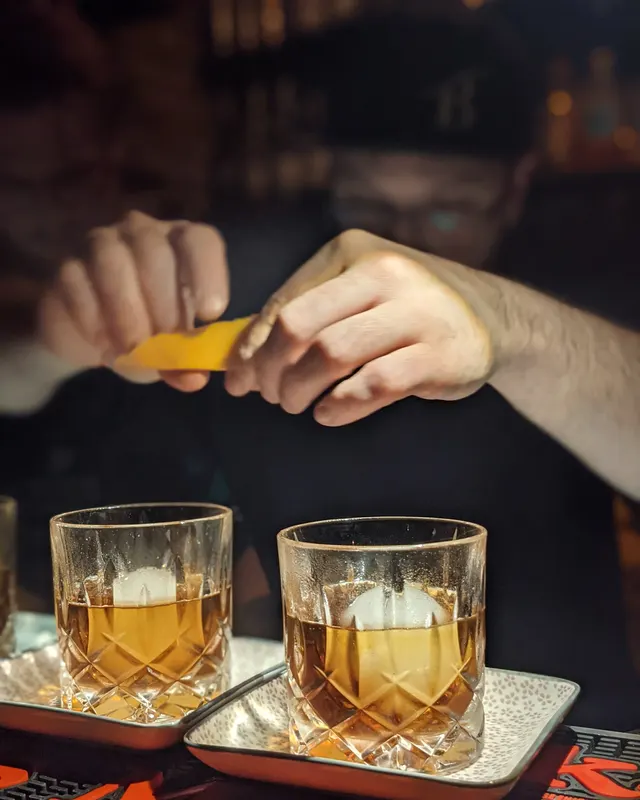
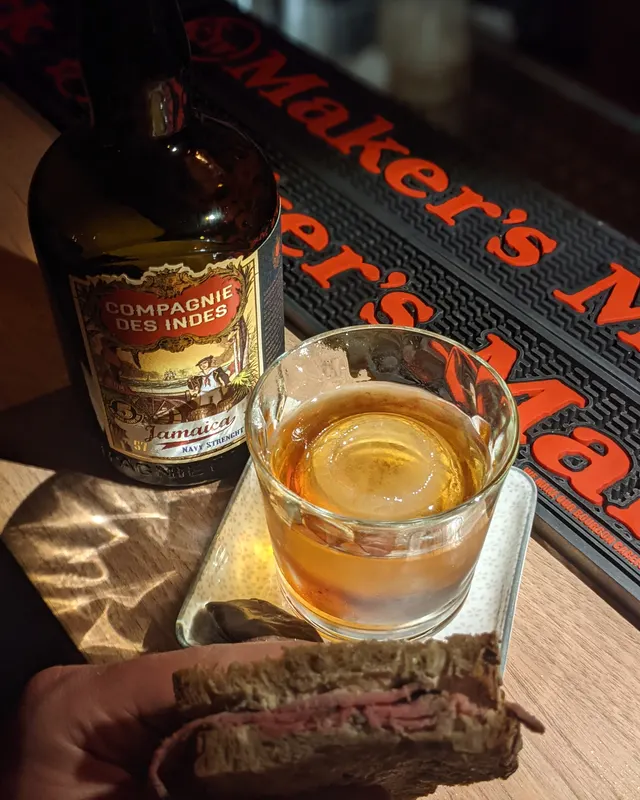
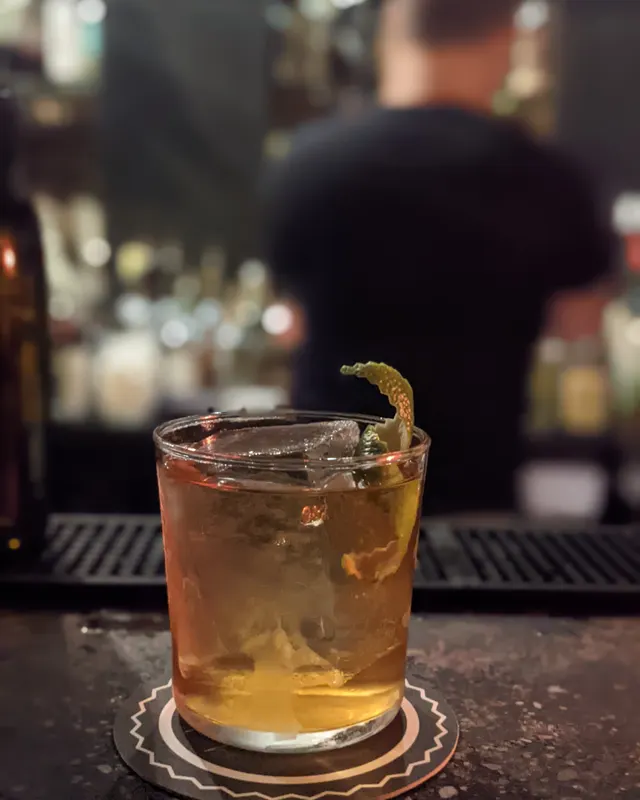
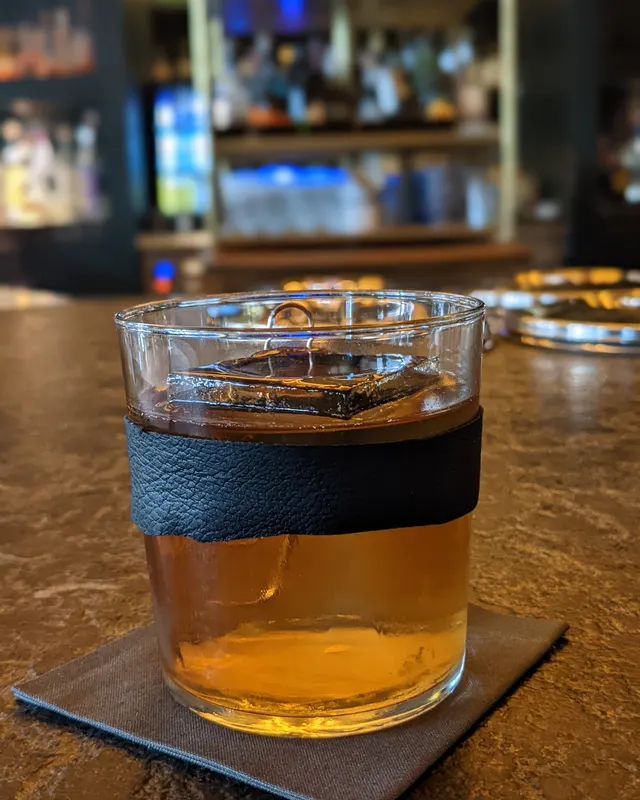
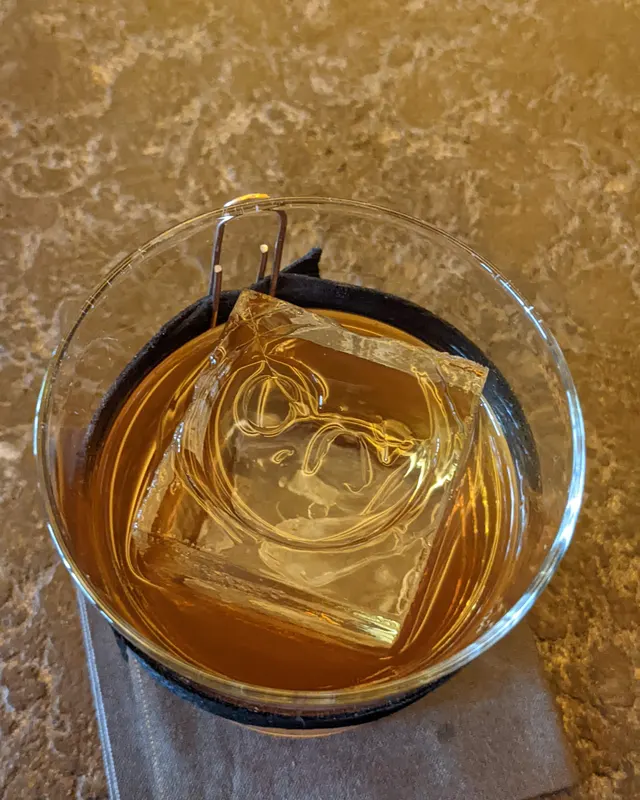
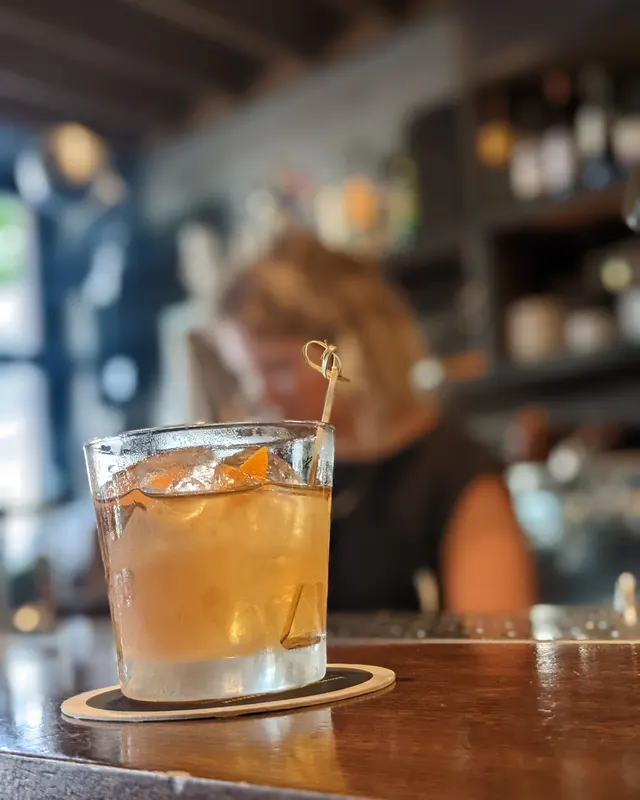
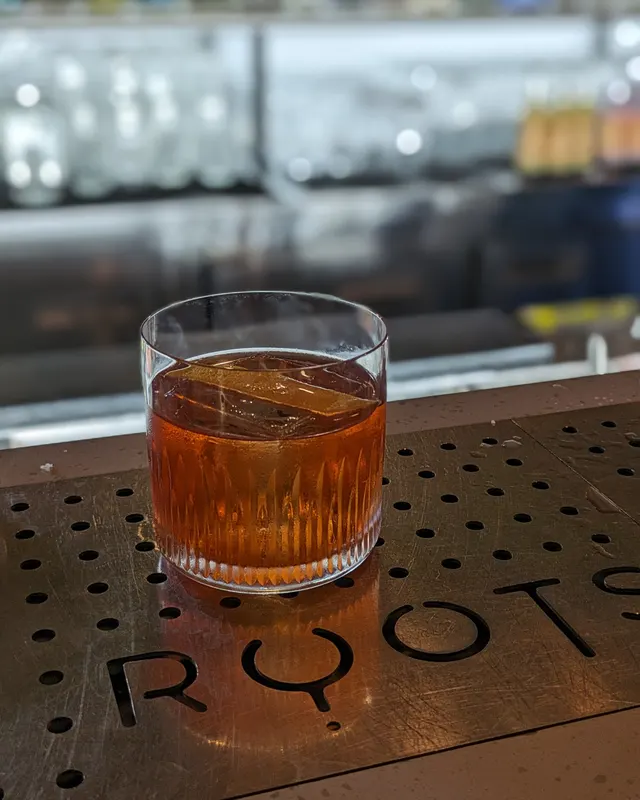
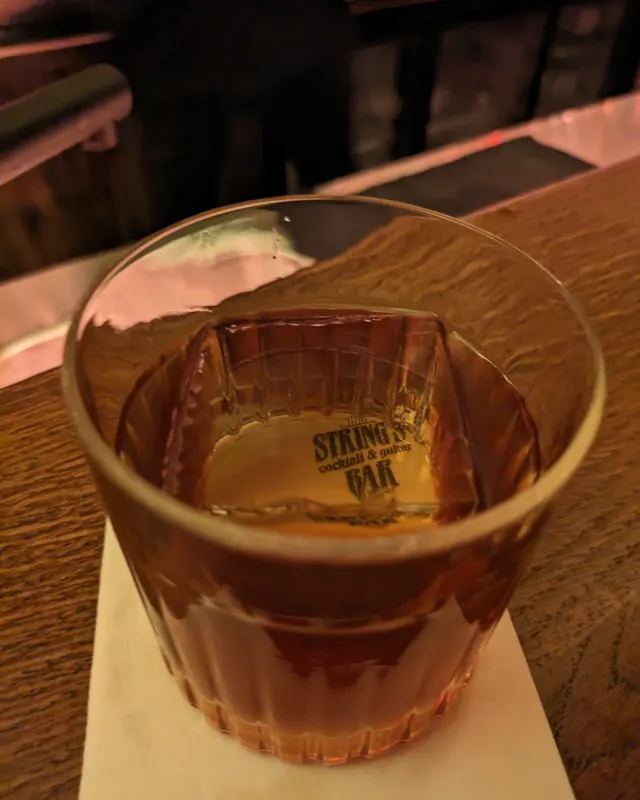
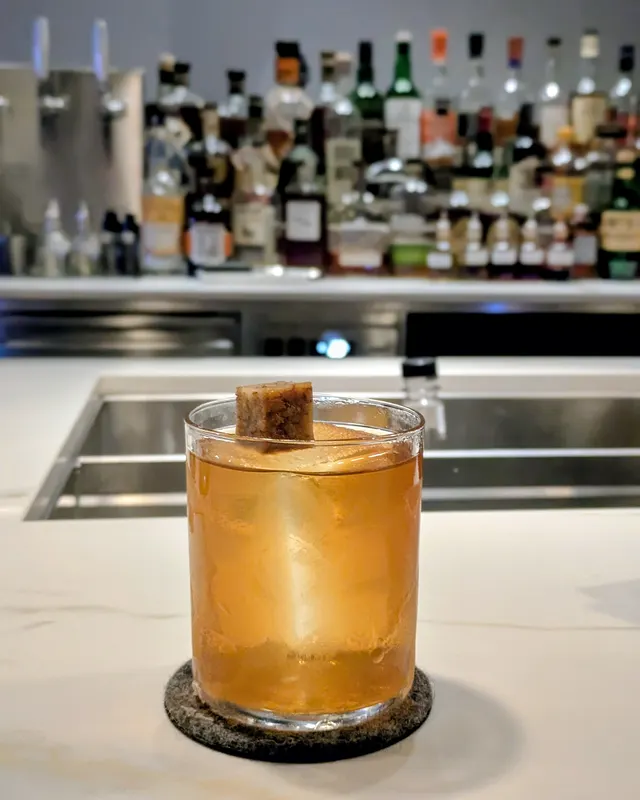
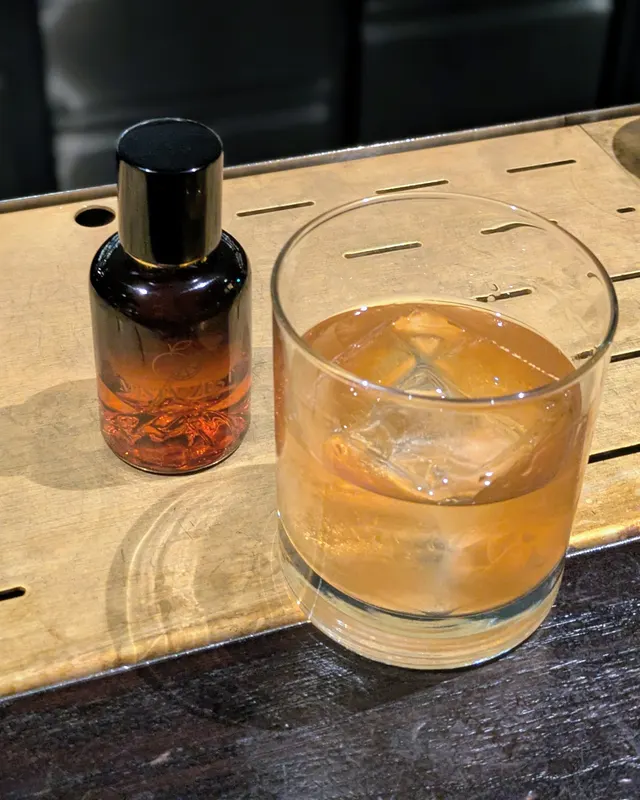
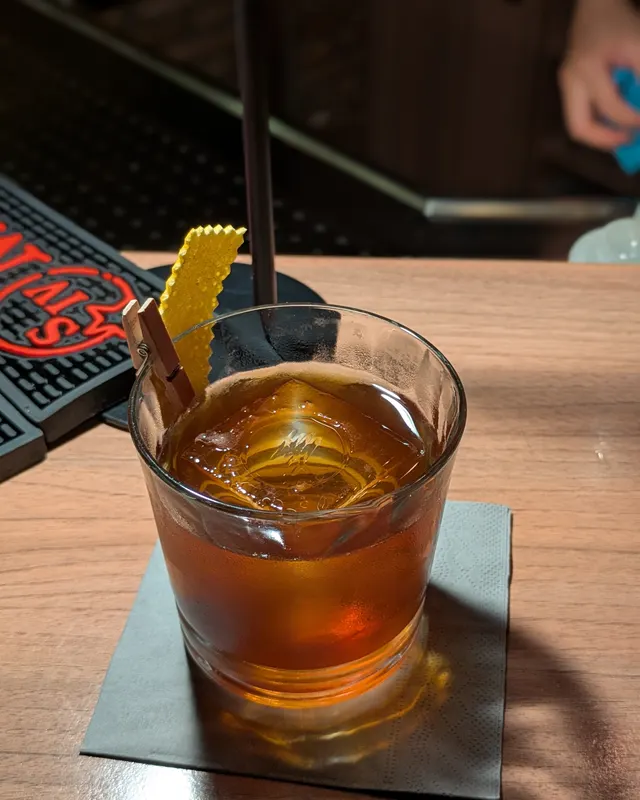
The poll is still open: Cast your vote or drop your RX ID in the thread, and the community’s top rums will get their spot here.
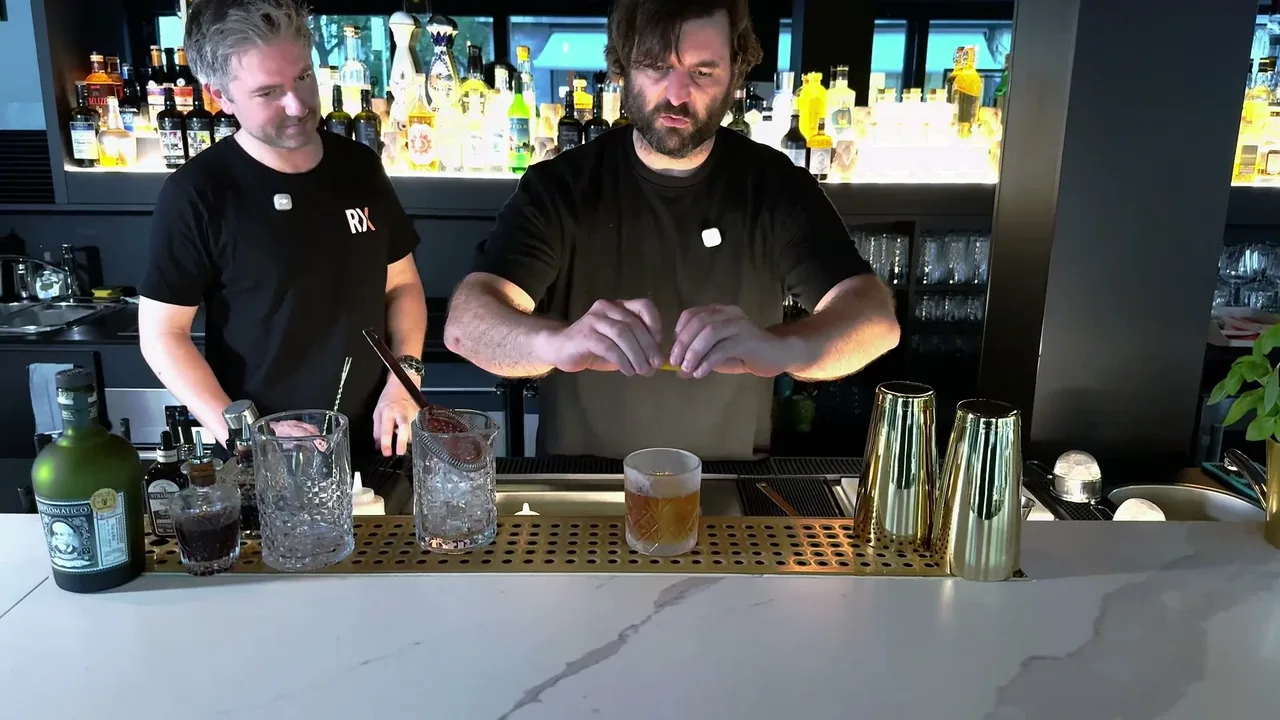
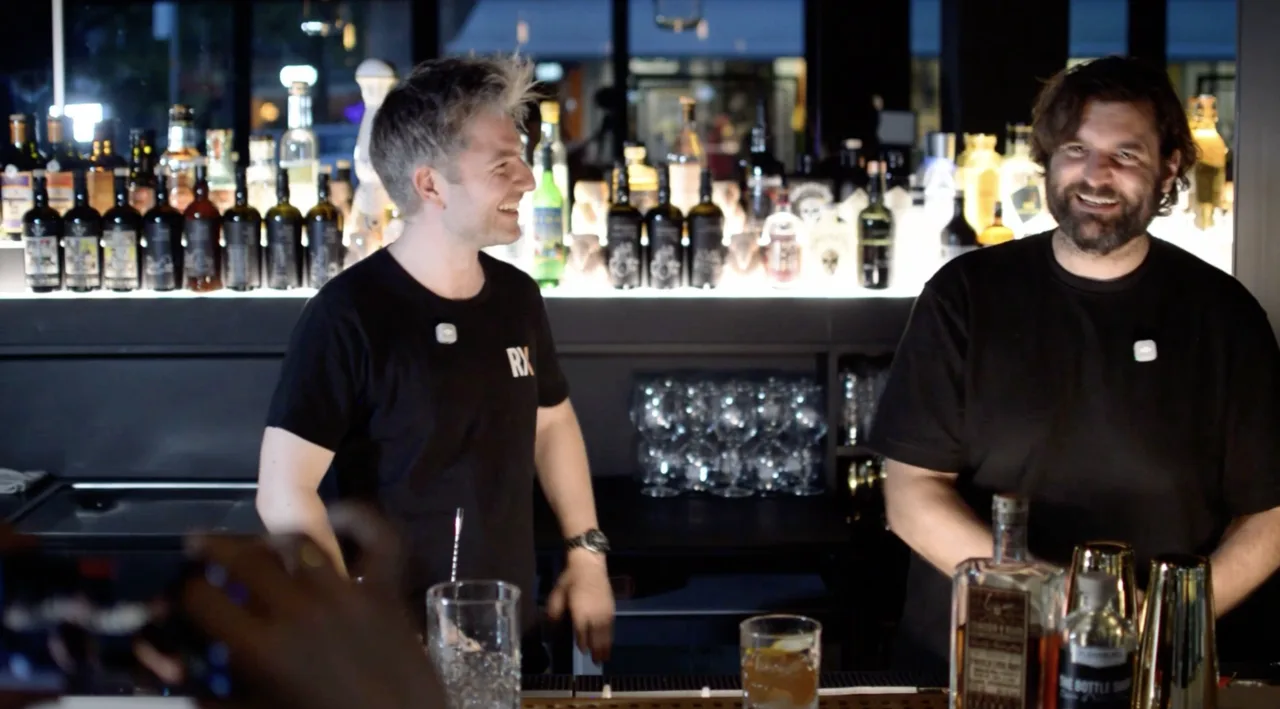
In the video, bar professional Stefan Glück mixes three builds; the fourth variation comes from the cocktail magazine Zucker & Zeste. Stefan runs the bar at Der Ludwig in Heilbronn today and before that spent years running his own bar, named after exactly this drink: the Old Fashioned Bar. For this guide, we joined him behind the counter.
Jump to the builds: 1 · Beginner · 2 · Bridge builder · 3 · Stormy Weather · 4 · Dirty Rum Bastard

Why this drink of all drinks, Stefan?
“The Old Fashioned really is one of my favorite drinks. Especially with rum it lends itself extremely well, because you have so much complexity and variety in the spirit. With a rum Old Fashioned you can serve pretty much anyone: It can be anything from sweet to extremely powerful to fruity. A bourbon always tastes like a bourbon. With rum you can even build the drink on an unaged agricole, and that changes it completely.” (translated)
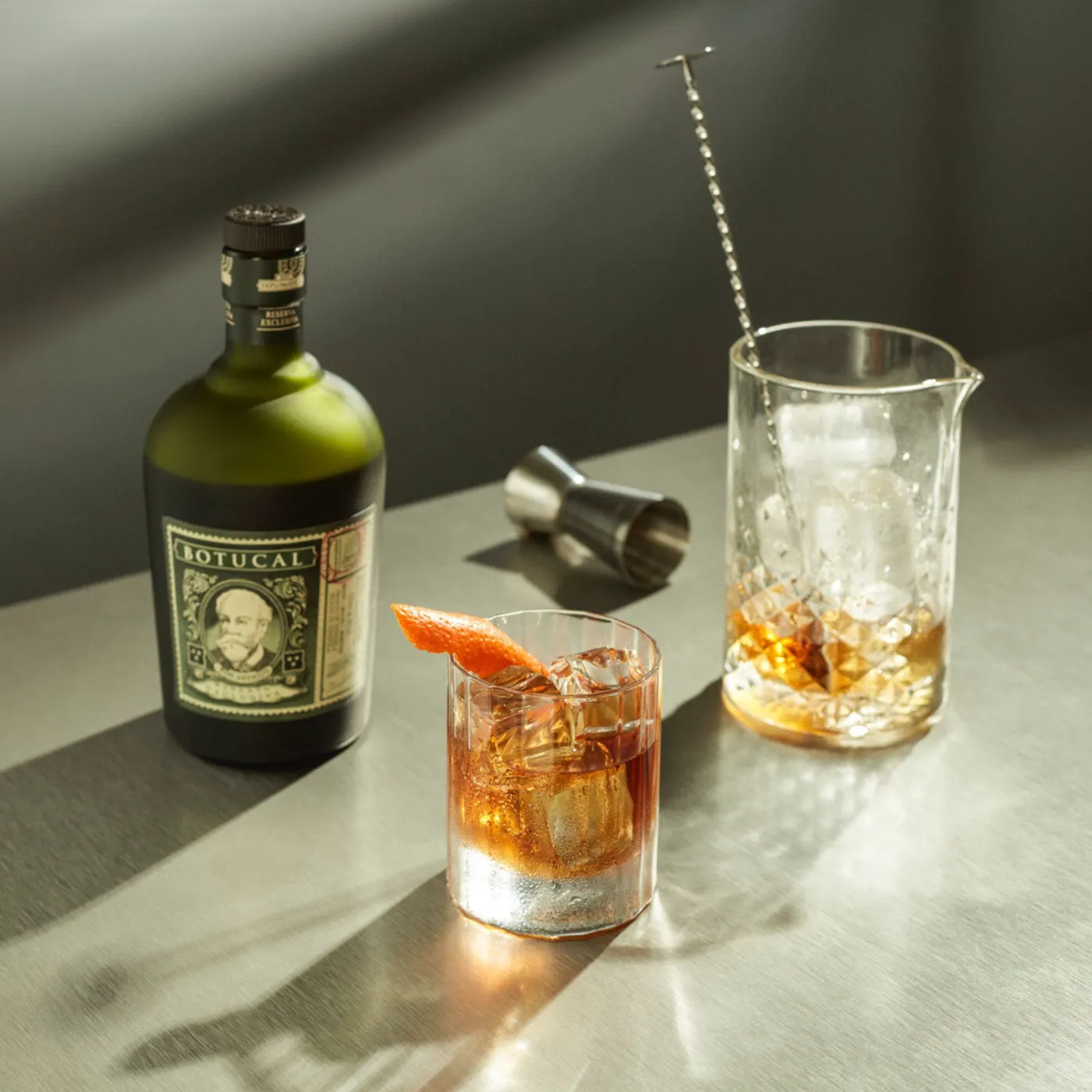
The Diplomático Reserva Exclusiva is the most-rated rum in the RumX community with over 3,300 ratings: a soft rum from Venezuela with vanilla, caramel, and an orange note. That’s exactly what makes it the safest entry into the rum Old Fashioned.
Preparation as in the base recipe: stir cold with plenty of ice for 10 to 12 seconds, strain, express the zest.
The rum is sweetened, yet Stefan doesn’t cut the syrup here, he only reduces it slightly: A beginner’s drink may well be a bit sweeter, and the Angostura spice reins the sweetness back in. If you prefer it drier, drop the syrup entirely, the rum brings enough sweetness of its own. Sweetening later always works; pouring back out doesn’t.
That the Reserva Exclusiva is the classic entry point is confirmed by the forum. @zabo there about his beginnings: “In the very early days I used the RX3, until the stuff kept getting better but also pricier.” (translated) RX3 is its RumX ID; that’s how the community refers to its bottles day to day.
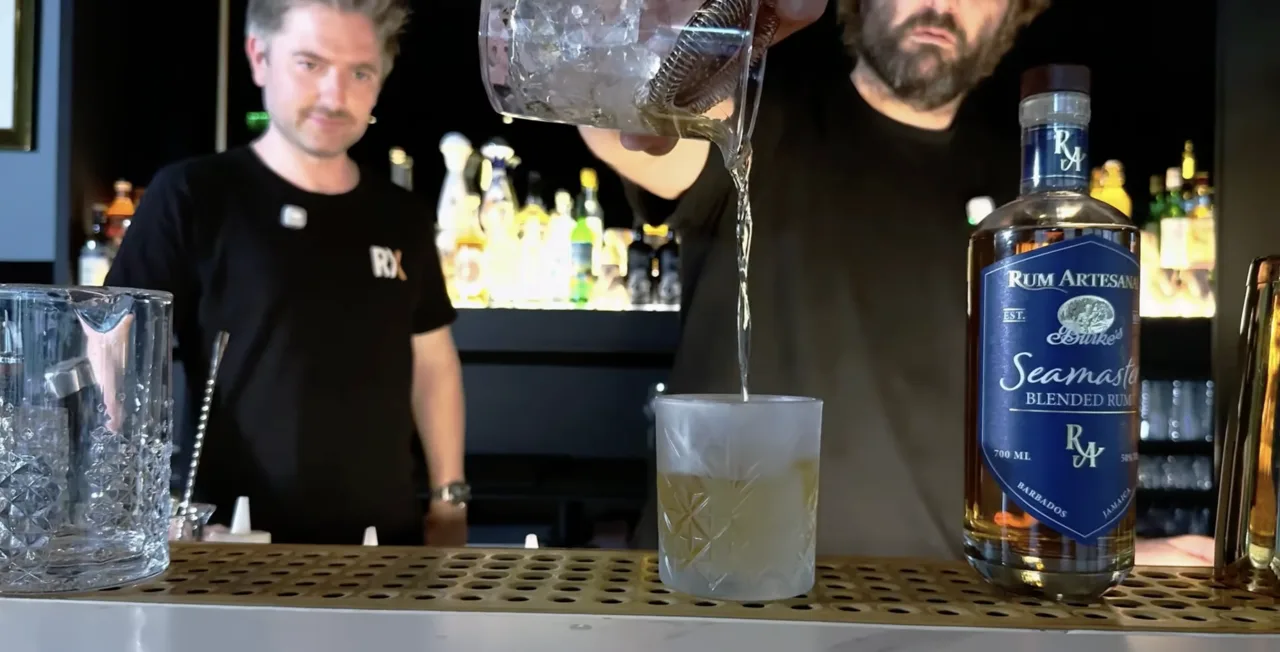
This bottle entered the article through our community call: the Burke’s Seamaster by Rum Artesanal, a blend of half Jamaica and half Barbados rum, bottled at 50% (community score 7.8 from 70+ ratings).

Stefan in the video: The Barbados part brings creamy coconut notes and body, the Jamaica part the fruit. This is where the twisting starts:
The chocolate bitters underline the creaminess of the Barbados part, and on the vanilla Stefan says: “Vanilla always cuts a fine figure with Jamaican rum. It adds a slightly sweet creaminess to the fruity rum character.” (translated) At its 50%, the result is noticeably snappier than the beginner, closer to a classic bourbon Old Fashioned, just with coconut and chocolate on top.
Christoph Fröhlich and Hendrik Fröhlich of Zucker & Zeste contribute the fourth variation: rum, a shot of mezcal, rosemary. The two about their drink (translated):
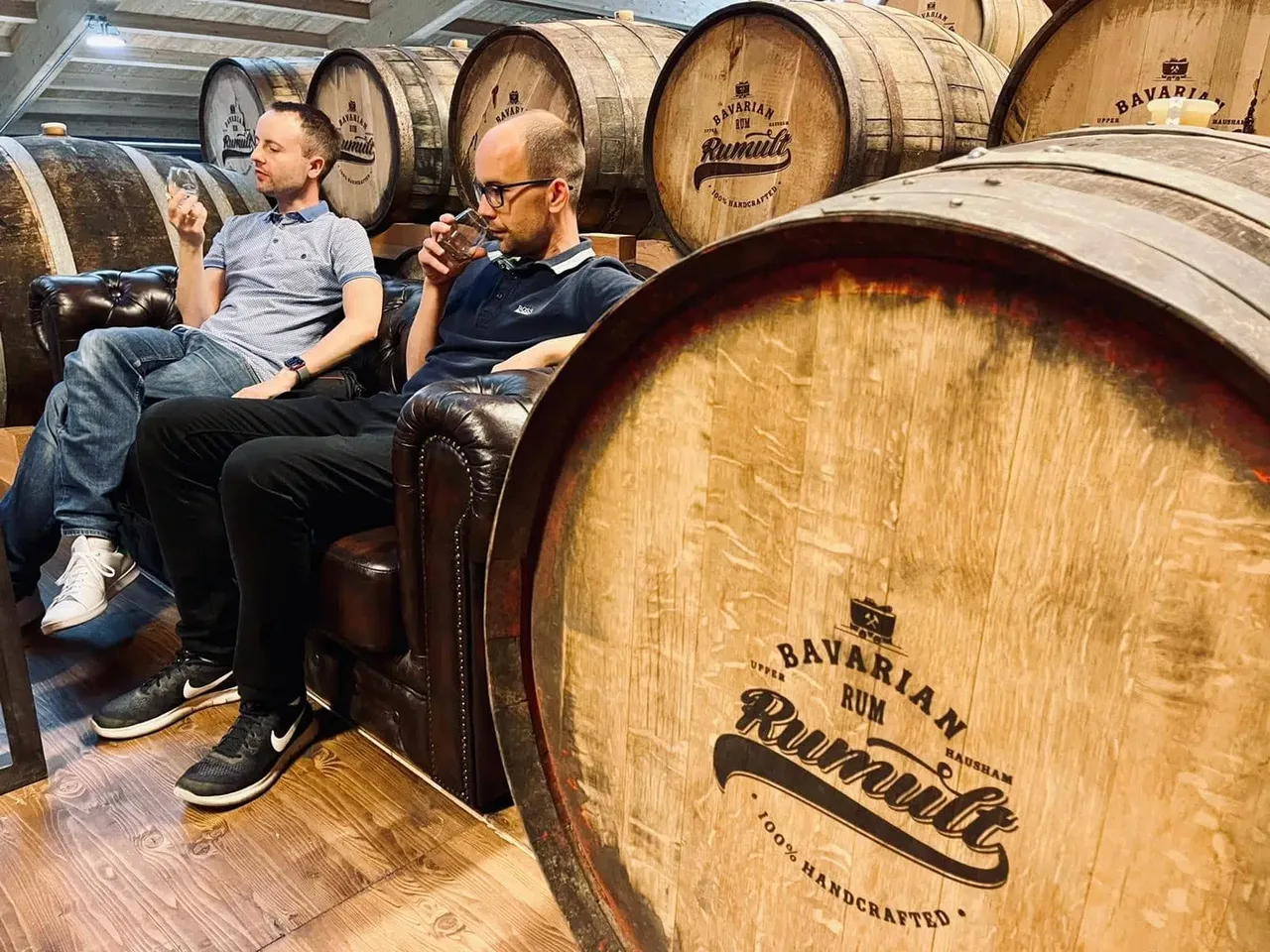
“When the evening is already too crisp for a light highball but still too early for the heavy winter drink, it’s time for the Stormy Weather Old Fashioned. It offers smoke and herbs for autumn, plus a rum that keeps it soft and round. We found it at antisocialpotions on Instagram and mixed it that same evening. The Old Fashioned is our quick after-work drink. Spirit, sugar, zest, bitters, ice. Done. You can’t really ruin it, unless you forget the stirring, and that’s exactly why we love tinkering with it. This time at the base: Instead of one spirit, two go into the glass, 45 ml rum and 15 ml mezcal. The ratio is what matters, because that way the smoke settles as a thin layer beneath the rum. At half and half you get a mezcal drink with the rum just tagging along. The rosemary syrup adds the personal spin. Rosemary and smoke get along, rosemary and vanilla too, and suddenly a herb carries the drink that we had considered pure potato garnish until then.”
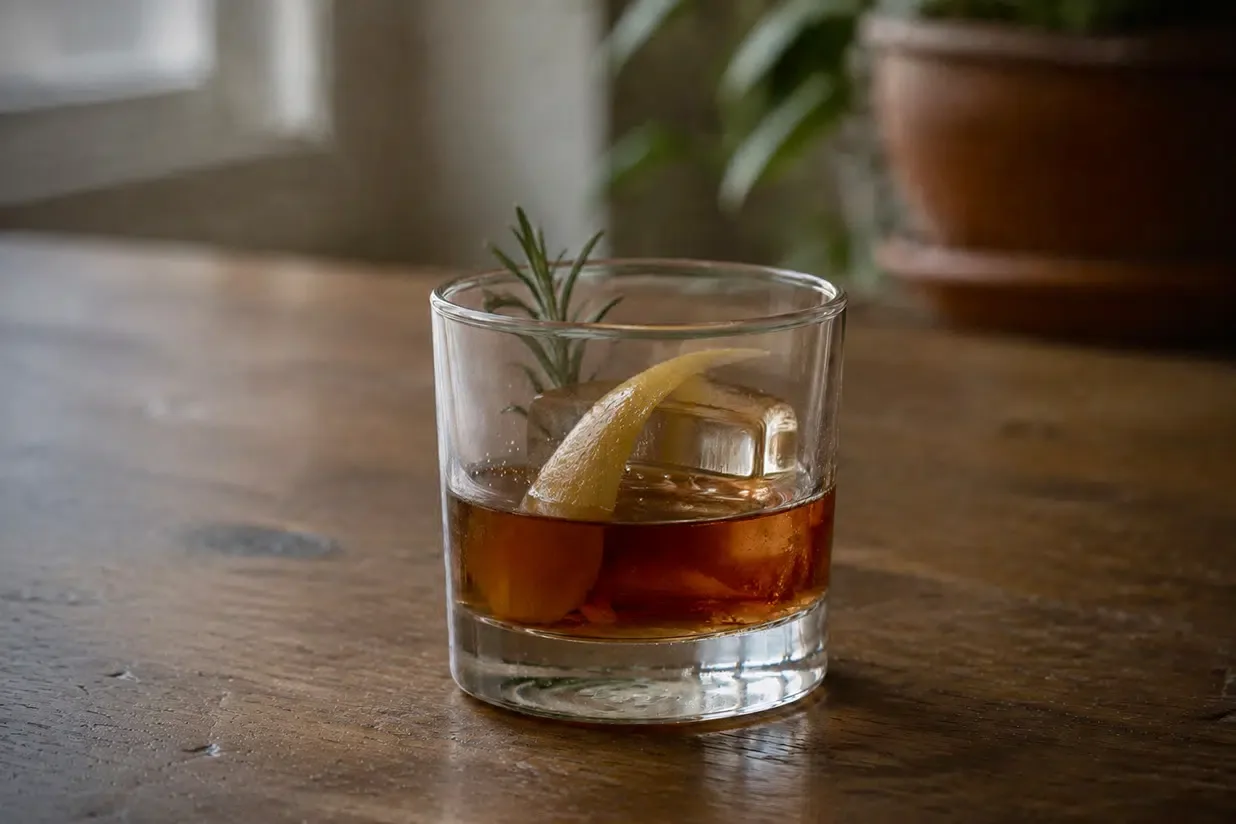
Ingredients
Preparation
Rosemary syrup in short: Dissolve 200 g sugar (ideally half raw cane, half white) in 200 ml water while stirring. Add 25 g fresh rosemary needles and half to one lime in slices, simmer gently covered for 20 minutes, then switch off the heat and let it steep for another 90 minutes. Strain through a fine sieve into a sterilized bottle. Refrigerated it keeps, according to the two, for 8 to 12 weeks.
In Stefan’s Old Fashioned Bar this drink was one of the top sellers, back then with habanero-infused maple syrup. In the video he rebuilds the heat in a simpler way, so you can mix the drink at home without prep. Not for beginners: two cask-strength rums averaging 65.3%, plus chili. Stefan’s comment in the video: “Workable, I’d say.” (translated)
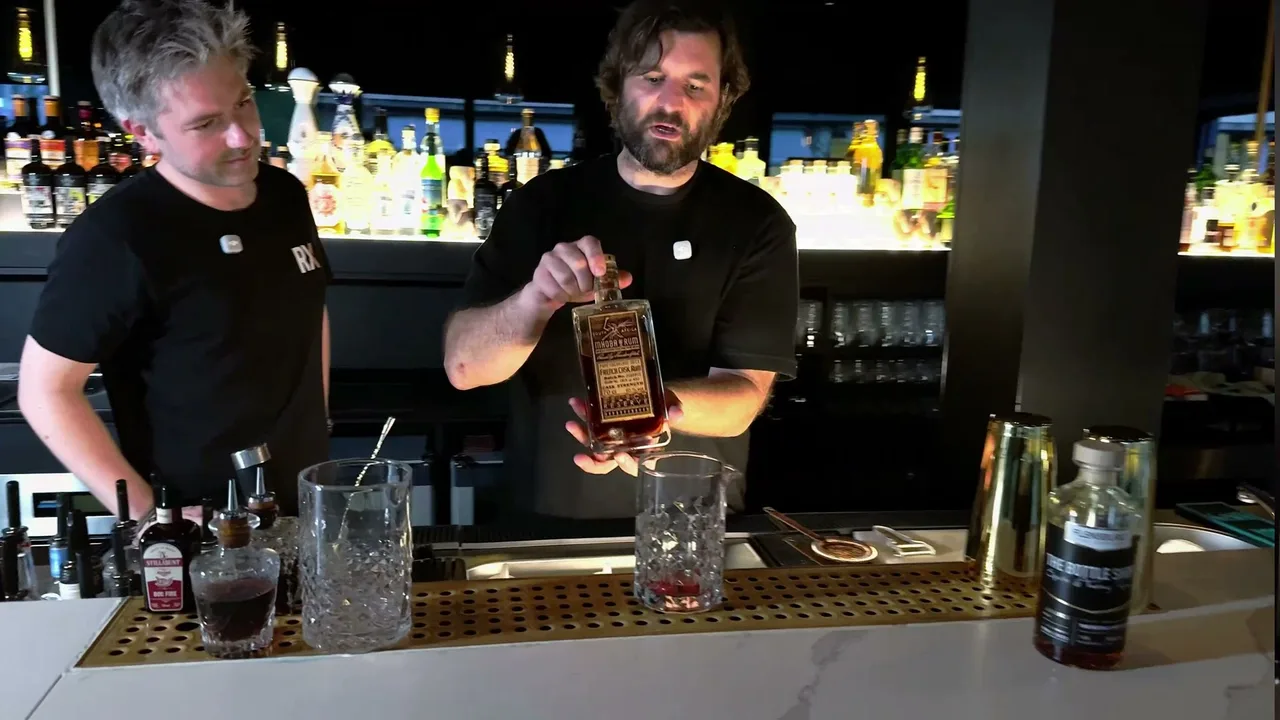
The Clarendon comes from The Bottle Shop, Stefan’s own bottling label; the recommendation is therefore not independent. The RumX community rates the bottling an excellent 9.0. The maple syrup brings a caramel note that catches the Mhoba’s fruit; the Doc Fire bitters underline the chili. Stir cold with plenty of ice; the powerful drink can take some meltwater, but don’t overdo it. What makes the Clarendon special, in Stefan’s words: “With the EMB 95 you get this crazy menthol bomb in the finish that lingers on the palate. You basically only get that from this one.” (translated) Olli’s verdict after the first sip is in the video: the best Old Fashioned he has ever had.
If you want to prepare ahead, build the bar version with infused syrup: Let 200 ml maple syrup steep in the fridge with a halved habanero (wear gloves while cutting; the heat stays on your fingers for hours otherwise). Taste regularly from the first hour on and strain as soon as the heat suits you: Depending on the fruit, that takes a few hours to two days. Refrigerated, the syrup keeps about two weeks; the batch is enough for roughly 40 drinks. The muddled chili piece is then omitted.
If you’d rather not stir the three builds yourself, Stefan makes them at Der Ludwig in Heilbronn.
Before rum entered this formula, though, the drink first had to earn its name.
May 13, 1806. The newspaper “The Balance and Columbian Repository” in Hudson, New York, prints the first known definition of the word “cocktail”: “a stimulating liquor, composed of spirits of any kind, sugar, water, and bitters”. That wasn’t yet a recipe under the name Old Fashioned, but it is exactly the formula the drink follows to this day. That’s why it counts as the cocktail’s original formula. The whiskey version simply ran as the Whiskey Cocktail in 19th-century bars.
The name as rebellion. From the 1860s on, bartenders started upgrading the plain Whiskey Cocktail: curaçao, absinthe, liqueurs. They treated their new bottles roughly like a freshly stocked spice rack. This was called the “Improved Whiskey Cocktail”, the most famous being the Sazerac. Those who wanted none of it ordered their drink “old-fashioned”, the old way: spirit, sugar, bitters, zest, nothing else. The name first described an attitude and only later a fixed recipe. The oft-told origin story from the Pendennis Club in Louisville, where the drink was supposedly invented in the 1880s for bourbon distiller James E. Pepper, is exactly that: a legend contradicted by older printed sources.
On the Waldorf Astoria’s cocktail menu from the 1930s, the Old Fashioned is listed at 50 cents, with an asterisk: “made only with whiskey bottled in bond over 5 years old”. Even then, the rule that defines this drink to this day applied:
Death and rebirth. In the 20th century, the drink drifted far from the original in many places: muddled fruit, cherry syrup, soda. In Wisconsin, exactly this style, made with brandy there, even became its own tradition that is kept alive to this day; elsewhere it eventually counted as a caricature. The cocktail renaissance after 2000 dug the old recipe back up: pure, dry, four ingredients. In Drinks International’s annual bar survey, the Old Fashioned then ranked first among the best-selling classics seven years in a row, most recently in 2021; in 2025 it sits second behind the Negroni.
Bitters, the secret main ingredient. The first aromatic bitters were sold around 1690 by London apothecary Richard Stoughton as stomach medicine. Under its current name, the Old Fashioned appears in bar books from 1888 (Theodore Proulx, “The Bartender’s Manual”); the formula with Angostura that is still recognizable today was printed by George J. Kappeler in 1895 in “Modern American Drinks”, back then with a lemon rather than an orange zest, by the way.
Pop culture footnote. In “It’s a Mad, Mad, Mad, Mad World” (1963), tipsy pilot Tyler Fitzgerald hands the controls to his clueless passengers mid-flight to mix Old Fashioneds in the back: “What could happen to an old fashioned?” Shortly after, a steering error sends the plane into a dive, Fitzgerald is knocked out cold, and the passengers have to land it themselves. The drink was finally turned into a character trait by Don Draper in “Mad Men”.
The Old Fashioned has two centuries behind it; it can handle a few experiments from you. Once you’ve found your variation, write your tasting note in the RumX app or share your build in the thread below.

Rum glasses compared honestly: nosing glass, Glencairn, 1920s Blenders & Riedel – distilled from 227 community posts, with measurements and practical tips.
Read more →
Rum is a spirit made from sugarcane — but raw material, fermentation, distillation, and ageing determine its style and quality. Learn what rum is, how it's made, and how to find the best bottles with RumX.
Read more →
From ABV to White Rum — learn the essential rum terminology. A complete glossary of rum production, styles, and tasting terms.
Read more →