Velier Skeldon SWR 1978
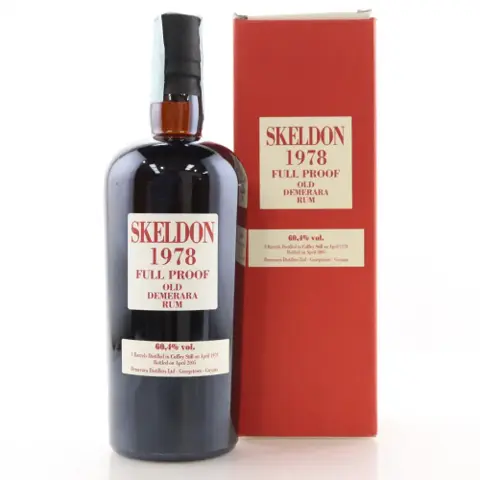 Velier Skeldon SWR 1978
9.5/10 (51 reviews)
Barrel · Toasted · Tobacco
The 36 Velier Demerara rums from Guyana: a vanished rum country in one display case, and what 310 RumX tasters and 769 auctions say about it
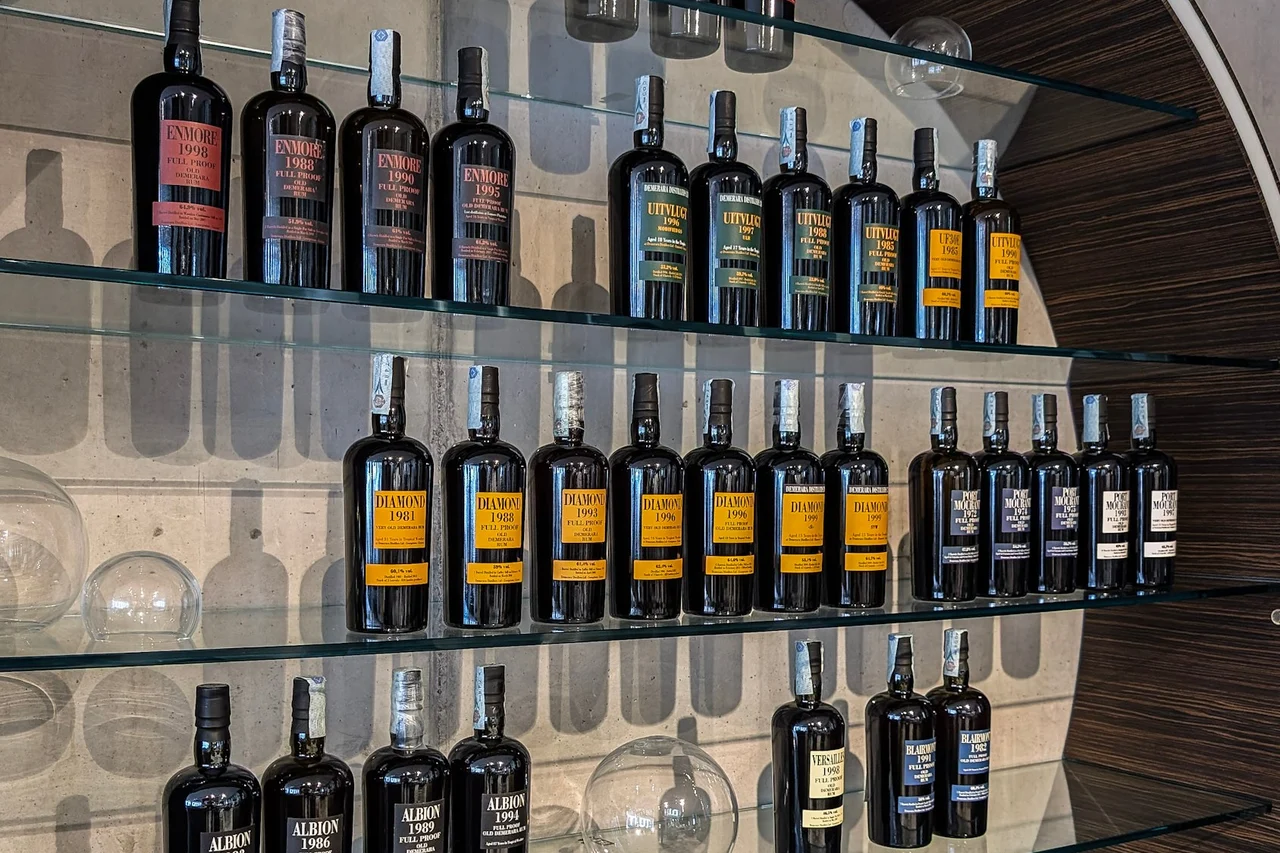
Velier Demerara rum, complete: all 36 bottlings with ratings and auction prices, wooden stills and marks, the 42,057 € record and the price correction since 2023.
42,057 € for a bottle of rum, and that is before buyer’s premium. That is what a Uitvlugt 1985 from this series fetched at Rum Trades. For me, a single glass was enough.
A friend poured it for me: Skeldon 1978, already sinfully expensive back then. Wet roots, mango, dark chocolate and, right at the end, that bitter espresso. After the first sip I could forget everything I thought I knew about rum. I had never had flavours this dense in a glass. I fell head over heels. And felt sad at the same time, because one thing was clear: this is not an everyday pour. Like being let into paradise for a moment and then shown the door.
After that I spent years trading for and buying samples and bottles of these rums, like a man possessed. An almost fanatical, nerve-wracking hunt. Along the way I met people I can still talk to about these rums long after the glass is empty. By now I have tasted all 36 bottlings.
I am Robert Bauer, spirits expert and concept designer, and I have been writing independent rum reviews for years. For this article RumX opened up the community’s ratings, collection entries and auction data to me. I set them next to what I have had in my own glass. And I have brought two guests:
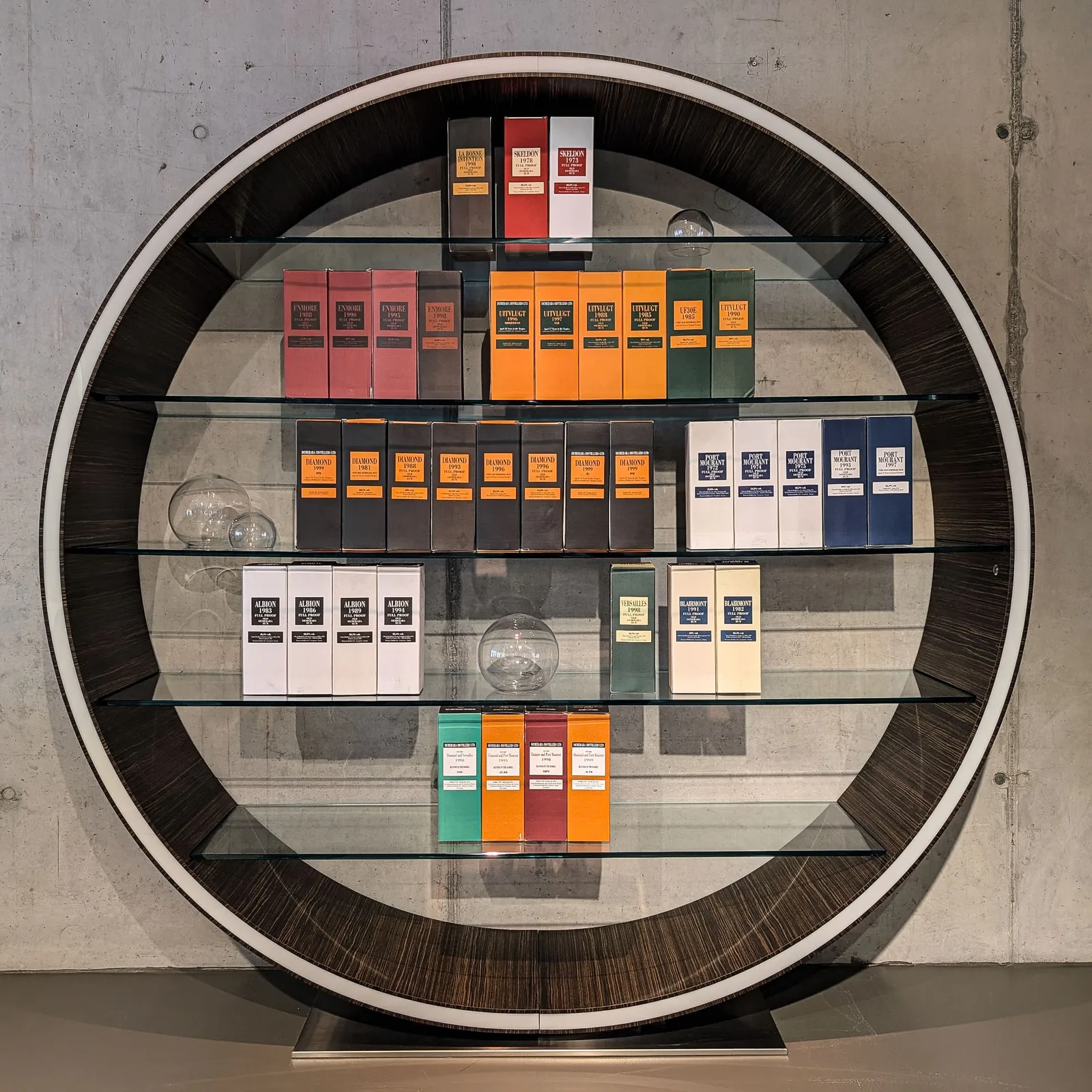
The cover image and the display case further down come from a photo shoot I curated: the bottles themselves, shelf by shelf, from Enmore to Albion.
36
Bottles in the series
9.1/10
Median of 1,449 ratings
42,057 €
Highest hammer price (Uitvlugt 1985)
250
RumX collections holding at least one bottle
This article is part of the RumX collector series, supported by Catawiki as premium partner. The view in the section “The view from the auction house” is by Catawiki expert Anne Marie Nijhoff. Catawiki has no influence on any other content.
Demerara rum is everywhere today. Almost every independent bottler has one, usually from bulk stock of the cask brokers Main Rum and E.A. Scheer, aged in Europe. The Velier series is something else: it comes almost entirely from the warehouse in Guyana, at cask strength, with still, vintage, cask count and angel’s share on the label. Why is that so special? For that you need to know what has vanished in Guyana.

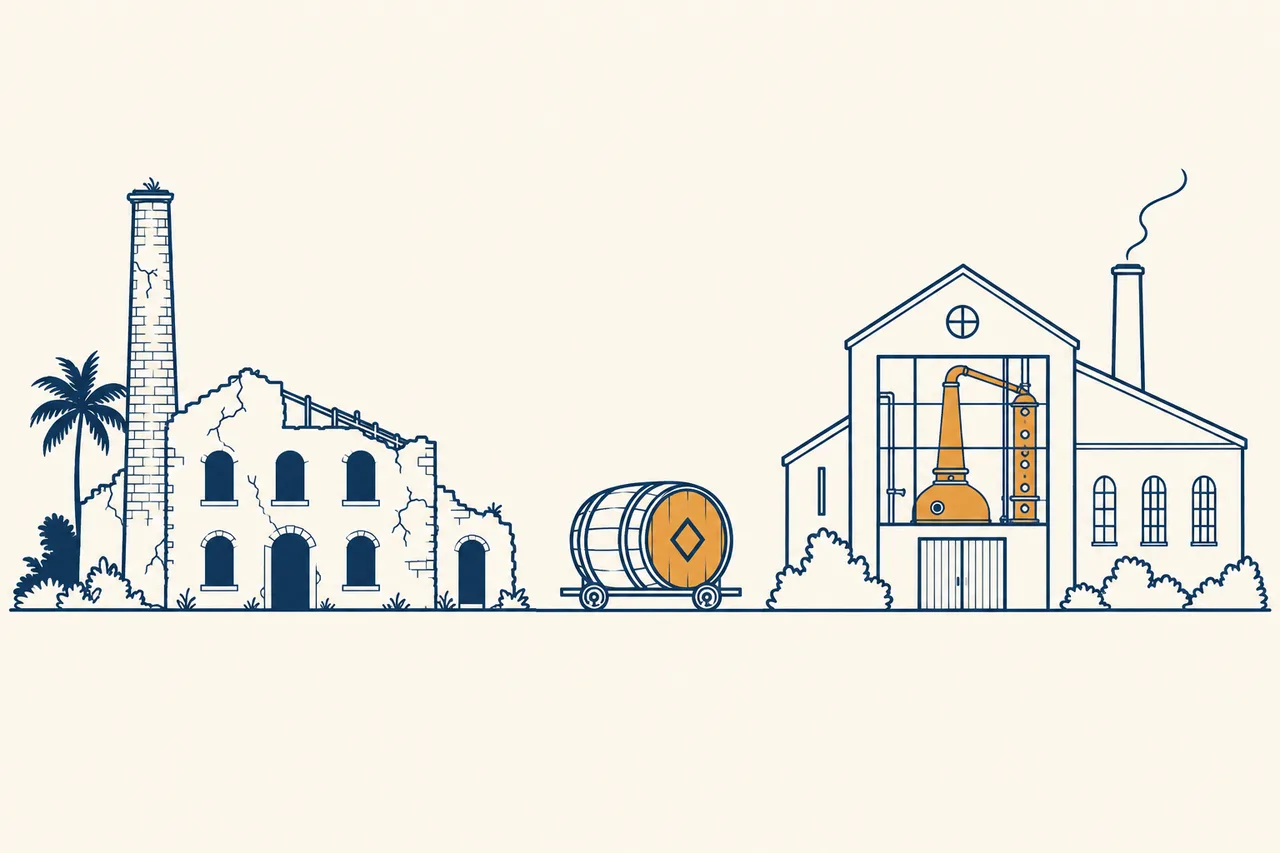
Skeldon, Albion, Blairmont: the names on these labels are places. Sugar factory and distillery belonged together there. From the cane came the coveted Demerara sugar with its large golden crystals, from the molasses a heavy rum that shaped the blends of the Royal Navy for decades. Many of these places stopped making rum long ago. Today their names sit on my tasting table.
What production remains now runs at Diamond, operated by Demerara Distillers Limited (DDL). The other sites have disappeared: competition from European beet sugar, falling sugar prices, merged estates. The Booker group concentrated production at Uitvlugt and closed La Bonne Intention, Skeldon, Blairmont and Albion for it. After nationalisation, the surviving stills finally moved to Diamond. What matters is what came along: stills and recipes that saved something of the taste of the closed distilleries. You will find the chronology, estate by estate, on the RumX Guyana page.
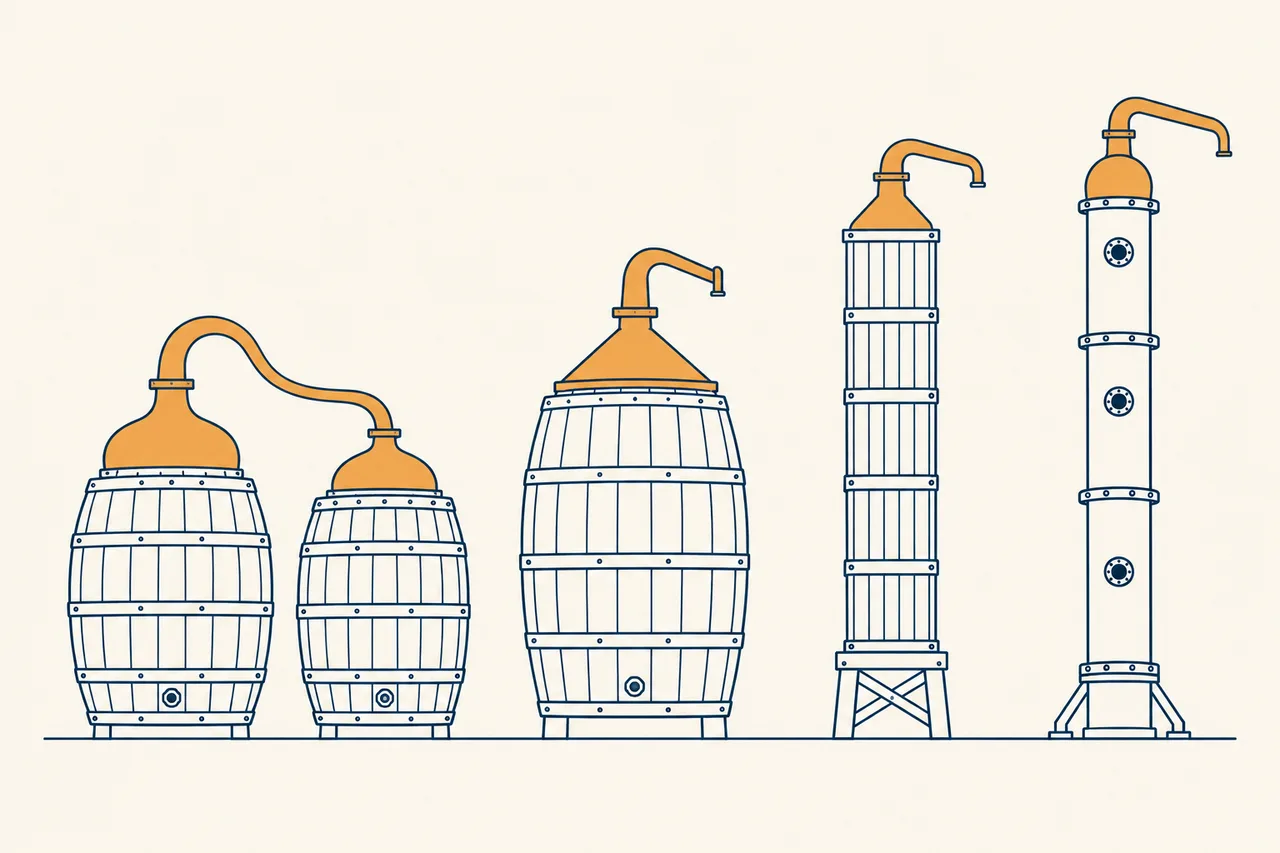
Diamond runs the last wooden stills of their kind. They are built of greenheart, a Guyanese hardwood that does not rot under water. Velier calls them “the oldest stills in the world, kept in perfect operating conditions”. This is what stands at Diamond today:
The best example is the Skeldon 1978. When it was distilled, the Skeldon distillery had long been closed. Its recipe carried on elsewhere under the mark SWR. The rum is real, the address is not. It is similar with Albion, Blairmont and La Bonne Intention. With Port Mourant, Versailles and Enmore, by contrast, the historic stills themselves moved house. That is why I read these labels so closely: the estate name tells you where the style comes from, the mark names the recipe and the still the apparatus.
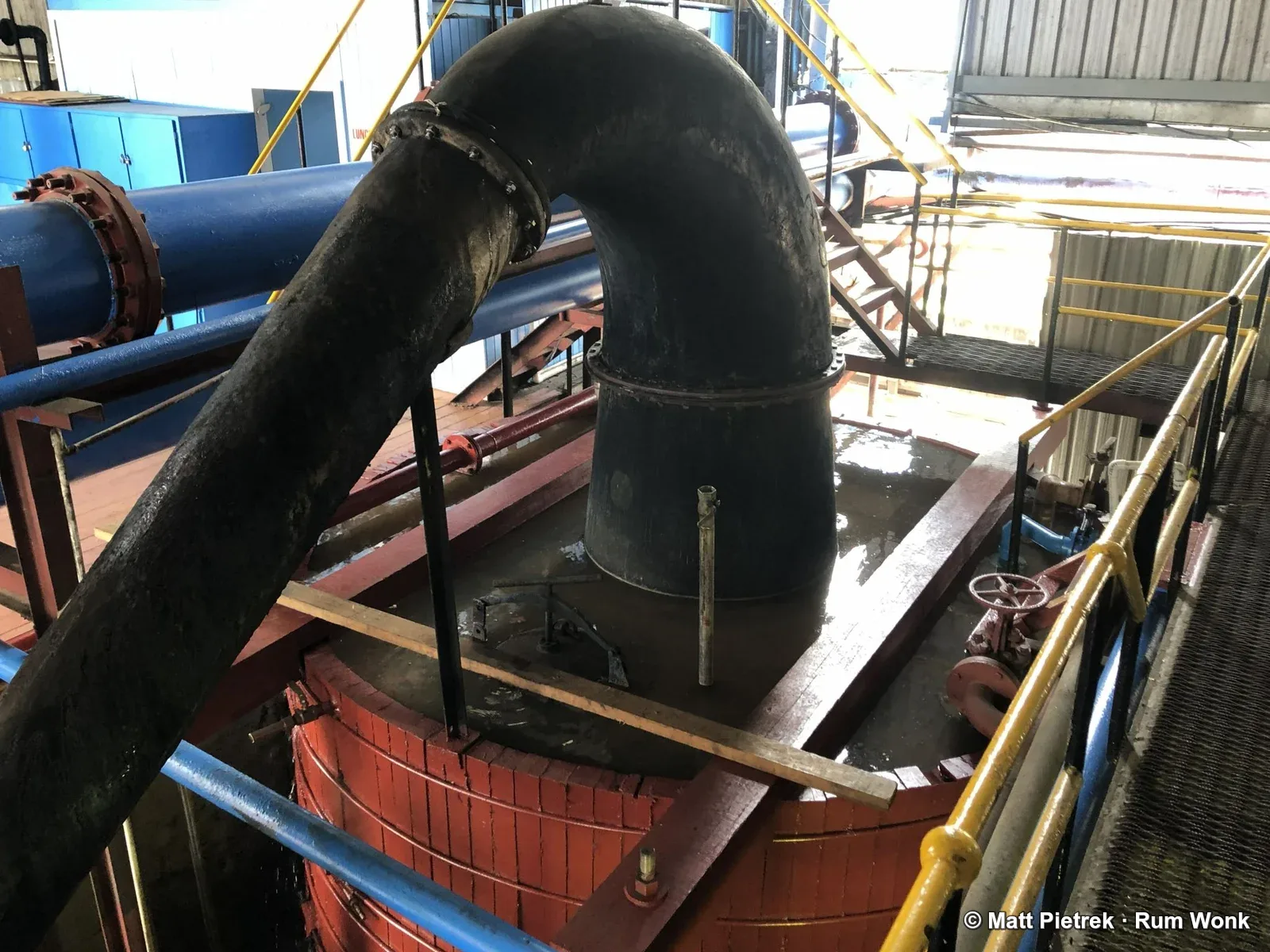
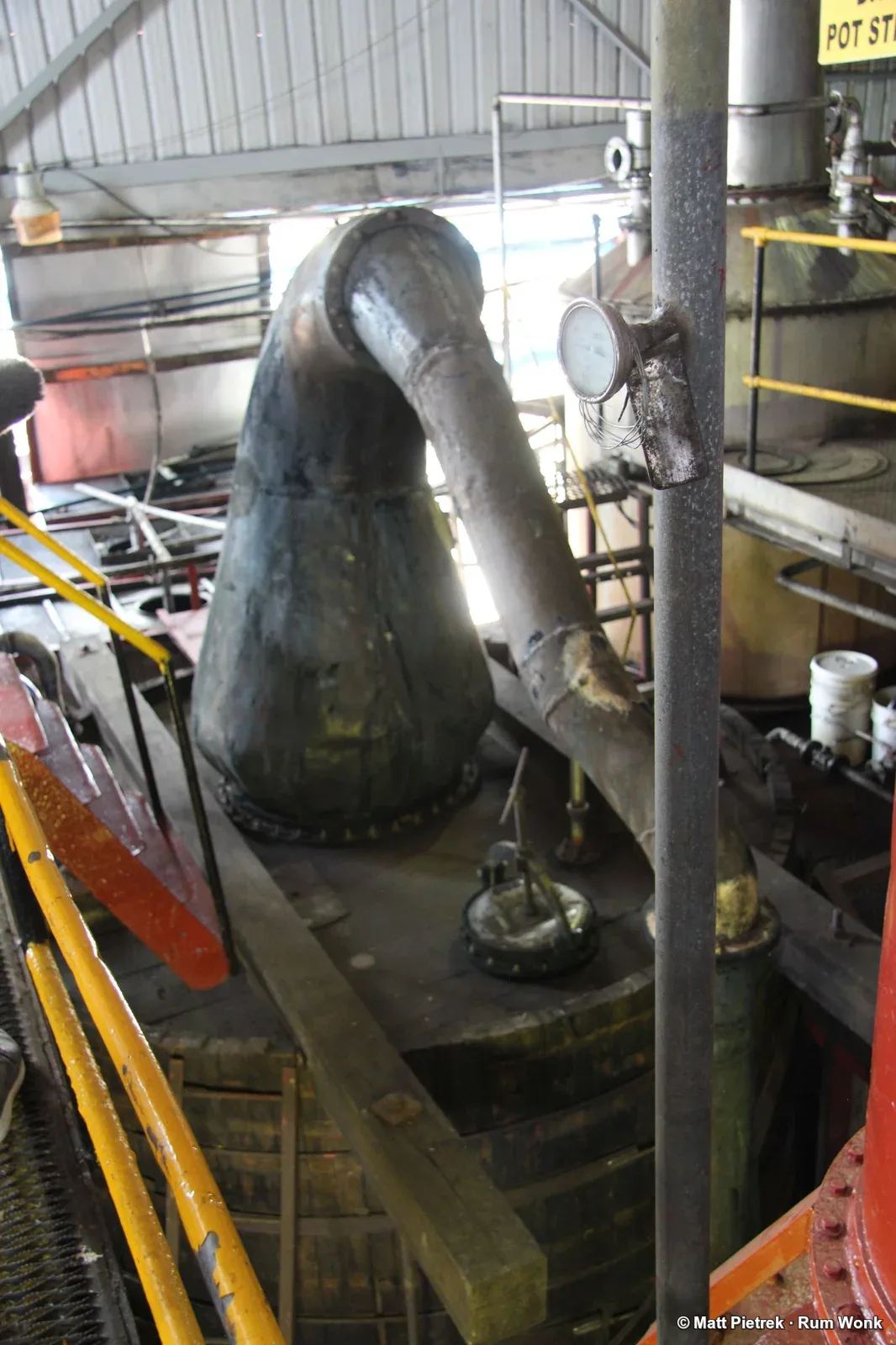
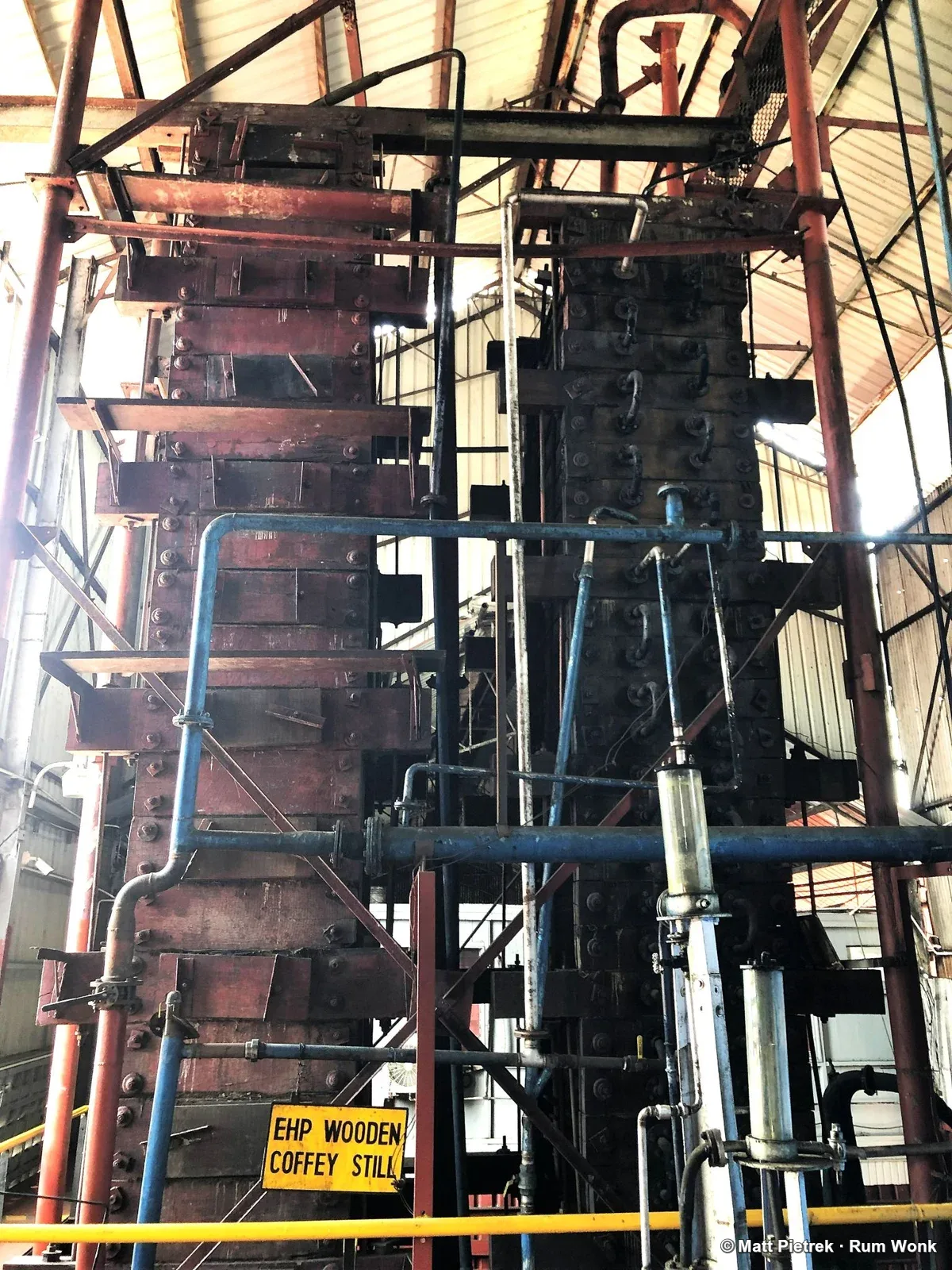
Matt Pietrek took the photos of the three wooden stills on his visit to Demerara Distillers in late 2019. What it is like to stand among them is best told in his own words.
Guest column by Matt Pietrek
I barely slept the night before visiting Diamond Distillery — my anticipation was so great. Our first stops were the giant fermenters and the modern column stills that make most of DDL’s rum. But my mind was already racing ahead to the three wooden “heritage” stills: the legendary Port Mourant, Versailles, and Enmore. I’d longed to see them since first falling down the rum rabbit hole.
Passing behind the towering Savalle columns, I spotted (at last) the Enmore’s wooden Coffey columns in the near distance, much redder than I’d imagined. Instinctively, I stepped closer, then stopped short when the floor dropped away. Below my feet was the Port Mourant, steam rising from the pooled water atop its massive twin vats. For a rum geek like me, practically a religious experience.
Despite the stillhouse’s considerable size, Diamond’s stills are packed tightly together, making it impossible to see the whole Port Mourant at once. Tucked alongside it is the considerably smaller Versailles. Together, they are the last operational wooden vat stills in the Caribbean. Both are technically single retort stills, once a regular sight centuries ago, but now a rarity next to the more common double retort configuration.
Looming over both vat stills, the Enmore columns are built of thick wooden slabs that look like railroad ties, stacked in a square pattern like something you might make with Lego. The wood is rough and heavily crevassed, like a fence painted decades ago and exposed to the hot Guyana sun ever since. Dozens of metal tie rods, ends poking through the slabs, hold the whole assembly together. As you might imagine, cleaning the metal plates inside is an intensive process; the still hasn’t been completely taken apart since it moved to Diamond in 1999.
Greenheart, the wood used for all three stills, is incredibly dense and heavy, so it can withstand years of service. Even so, each wooden slab eventually needs to be replaced. Usually this is done a few pieces at a time, making each still a modern-day Ship of Theseus, of sorts. In 2006, the entire vat of the Versailles was replaced at once. Most distilleries would have abandoned these antique stills long ago, given the maintenance and operating costs. DDL kept them because the rums they make are at the heart of the Demerara rum legacy.
All three wooden stills make rums with unique flavor profiles, especially the Versailles and Port Mourant. But contrary to what you might expect, those flavors aren’t extracted from the wood itself. As master distiller Shaun Caleb explained in an interview, the vat’s wooden walls don’t shed heat the way metal does, so the stills run hotter and at higher pressure. Without getting into the underlying science, this leads to a higher concentration of higher alcohols in the resulting spirit. The rum is bold and flavorful, but it’s the higher alcohols doing the heavy lifting, not esters.
Enmore rum is classic British heritage column still greatness, a thunderous rhythm section, à la Led Zeppelin. Regrettably, these heavy column rums are often overlooked by pot still chasers. Diamond’s two wooden vat stills create an instantly recognizable, never duplicated flavor profile. To my taste buds, their marks have a deep, vegetal “green” character that brings to mind Guyana’s lush rainforest. I contend this flavor was the beating heart of the Royal Navy’s rum blend. Tropical aging adds a depth to these rums unmatched by continentally aged versions of the same marks.
As I’m fond of saying, if I had to pick my last sip of rum on this earth, it might well be a long aged, cask strength Port Mourant, with a Versailles close behind.
Matt Pietrek is an author, publisher and educator known as “Rum Wonk”. Through his Wonk Press imprint he wrote and published Modern Caribbean Rum; with Alexandre Gabriel he co-wrote The Rum Never Sets. He is community envoy for the West Indies Rum and Spirits Producers’ Association.
Two men stand behind this series. The first is Yesu Persaud. He worked his way up from plantation labourer to chairman of Demerara Distillers and had the historic stills preserved under one roof instead of scrapped. He also kept the fermentation recipes of the closed distilleries. And with El Dorado 15 he turned Demerara rum, long traded only as a component of other people’s blends, into an aged premium spirit with a stage of its own.
The second is Luca Gargano, head of the Genoa importer Velier. For more than 300 years DDL had sold its rum to Europe only by the barrel, as raw material for other people’s blends. The one exception was El Dorado, which Velier imported from 1996. That same year Velier bottled its first Guyanese rums of its own, three European-aged bottlings at 40 and 46 percent that hardly anyone noticed. In 1999 Gargano travelled to Guyana himself. The ancient wooden stills and the almost archaic production would not let him go. He proposed to Persaud that the individual stills be bottled separately.
The first three bottlings that went directly through DDL, in November 2000, still came via Breitenstein, DDL’s European headquarters. It was the only time samples were sent rather than chosen. From 2002 Gargano selected every bottling in person: Persaud prepared the samples in Warehouse No. 1, the two decided together, and back in Genoa Gargano tasted every selection once more. These rums were the first to be aged entirely in the tropics, but they were still bottled at 46 percent. The courage to go full proof came that same year from a Damoiseau 1980 from Guadeloupe: he bottled it at 60.3 percent, and it found its buyers. That is how Velier tells it, and how The Lone Caner tells it in his three-part history of the series.
My favourite scene takes place in the warehouse. Walking through it with Persaud, Gargano spotted five or six forgotten casks in a corner, from Skeldon, a distillery that had long since closed. He tasted the 1973 and asked to be allowed to bottle it just as it was. It was the only time in this partnership that he was allowed to bottle all the casks himself, writes The Lone Caner. They became 544 bottles of Skeldon 1973. Rums like that were just sitting in the warehouse, and outside hardly anyone knew their names.
From 2005 Velier released them in the plain bottles with the coloured boxes: single mark, almost entirely tropically aged, at full proof. And with label information no rum had carried before: year of distillation and bottling, casks, outturn, still and mark, sometimes even the angel’s share.
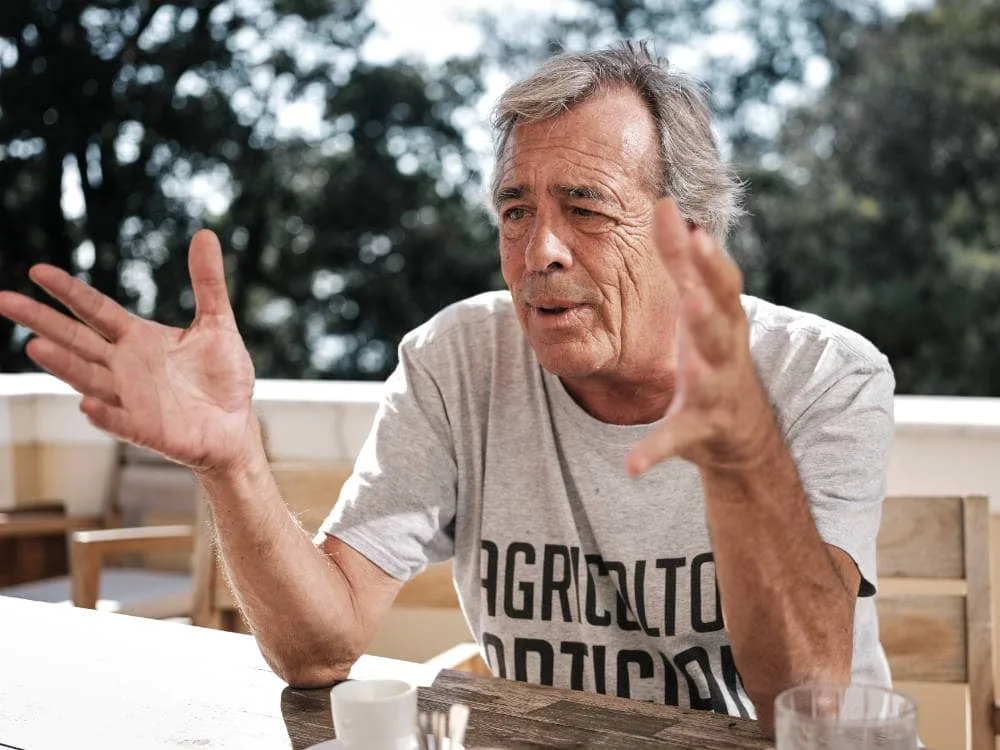
And then? Then these bottles sat on the shelves like lead. In 2008 they cost over 100 euros, and outside Italy most people found that too expensive. The first reviews were written in 2010 by Serge Valentin on Whiskyfun, and hardly anyone took notice. Only when bloggers such as Cyril of DuRhum and Henrik Kristoffersen of RumCorner began writing about the series from 2014 did the bottles find their audience, and prices started to climb.
Sometimes I picture myself in front of a retailer’s shelf back then: plain labels, coloured boxes, Skeldon and Albion simply side by side. I could reach out. But would I even have recognised what was standing there? Years later I went hunting for a few sips of it.
At the end of 2014 Persaud retired as chairman. Shortly afterwards the new management announced that it would release rums in Gargano’s style itself, and in 2016 the El Dorado Rare Collection appeared. That ended Gargano’s exclusive access to the old casks, and the series was closed. What exists, exists. There will be no more. One last farewell did follow: in 2017, for its 70th anniversary, Velier bottled a Port Mourant & Diamond 2001, already in the El Dorado Rare Collection bottle.
Much of what this series pioneered now seems self-evident: tropically aged, at full proof, without additives, with the still and mark on the label. When hydrometer measurements from Scandinavia showed in 2013 and 2014 how much sugar some well-known rums contained, Gargano’s unadulterated Demeraras suddenly stood as the counterexample. DDL now bottles still-specific rums at full proof itself. And anyone buying a Guyanese rum from an independent bottler today will almost always find the still on the label.
The era only got its name once it was over: in early 2016 Henrik Kristoffersen spoke of the “Age of Velier’s Demeraras”. The Lone Caner tells the whole story in his three-part history: the background, the rums and their impact.
Daniele BiondiExport manager at La Maison & Velier, rum brand manager at Velier from 2010 to 2018
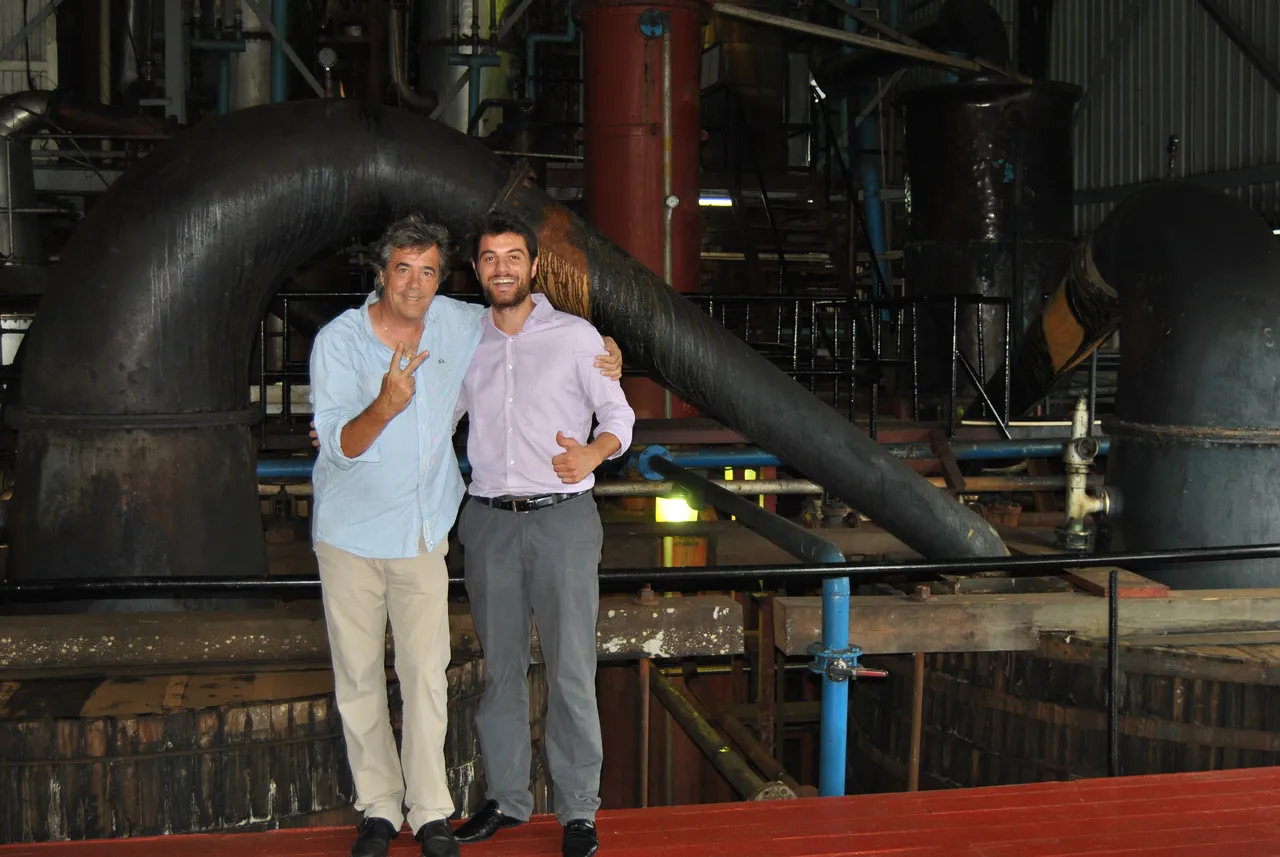
For a long time I wondered who was actually standing in the warehouse when these casks were chosen. One of them was Daniele Biondi. He came to rum as a bartender in Milan, turned the bar he ran there from 2003 into a rum bar and in 2007 started rumclub.org, Italy’s first rum blog. He then promoted Caribbean rum in Italy for the producers’ association WIRSPA, before joining Velier in 2010. There he looked after the rum category for eight years and helped Luca Gargano select casks, from Demerara to Caroni and Habitation Velier. In 2012 the two of them discovered clairin in Haiti. Today Daniele works from Paris as export manager for La Maison & Velier and leads the “Coalition Clairin”, which takes Haitian clairin into bars around the world. The Curious Bartender podcast recently introduced him as the “Indiana Jones of rum”, because he seeks out distilleries you won’t find on Google.
His first trip for Velier, in June 2010, went straight to Guyana. Together with Gargano and Yesu Persaud he chose five bottlings of this series there, all released in 2011: Albion 1986, Albion 1994, Diamond 1996 SVW, Enmore 1995 and Blairmont 1982. The photos in this interview are from that trip, taken with his own camera, and as far as I know they have never been published before. I asked the questions in writing.
I am Daniele Biondi, and since 2018 I have been the export manager of La Maison & Velier. But from 2010 until 2018 I worked directly at Velier in Genoa, in charge of the whole rum category as brand manager, and also assisting Luca Gargano on research and selections: from Demerara to Caroni to Clairin, to Habitation Velier and all the others.
When I joined Velier in 2010, the Demerara bottlings were already a myth for a small niche of rum lovers, including me, but still unknown to the wider public of spirits lovers. Luca immediately involved me in the selection of five casks, and that’s a nice story. I already knew Luca, first of all as a rum lover and rum bar manager, and I had also met him as a blogger: in 2007 I opened the very first rum blog in Europe, rumclub.org. At that time I was working for WIRSPA (West Indies Rum & Spirits Producers’ Association), and my role was to connect the brands of the producers’ association with the distributors in Italy. When that project was almost over, I was already thinking of moving to Velier. And Luca was thinking the same way.
So the day I came back from my last closing trip with WIRSPA, I landed in Milano Linate, turned on my phone and had a missed call from Velier. When I called back, Luca told me that I was hired at Velier, starting the next Monday! We would meet at the airport again, for a trip to Marie-Galante, Barbados, Antigua and Guyana to select some Demerara casks. You cannot imagine my surprise at starting with Velier like this! And the joy of going back to Guyana with the person who was my idol!
Well, the biggest challenge is to make the best selection possible, because it doesn’t happen often to be in Warehouse No. 1 of Demerara Distillers with Luca and with Yesu Persaud! So I felt the excitement and a bit of pressure. We climbed casks and drew many samples. At night we slept in the Demerara Distillers compound, in an incredible old colonial-style wooden villa. In its living room, overnight, we tried them all and selected the five that you know.
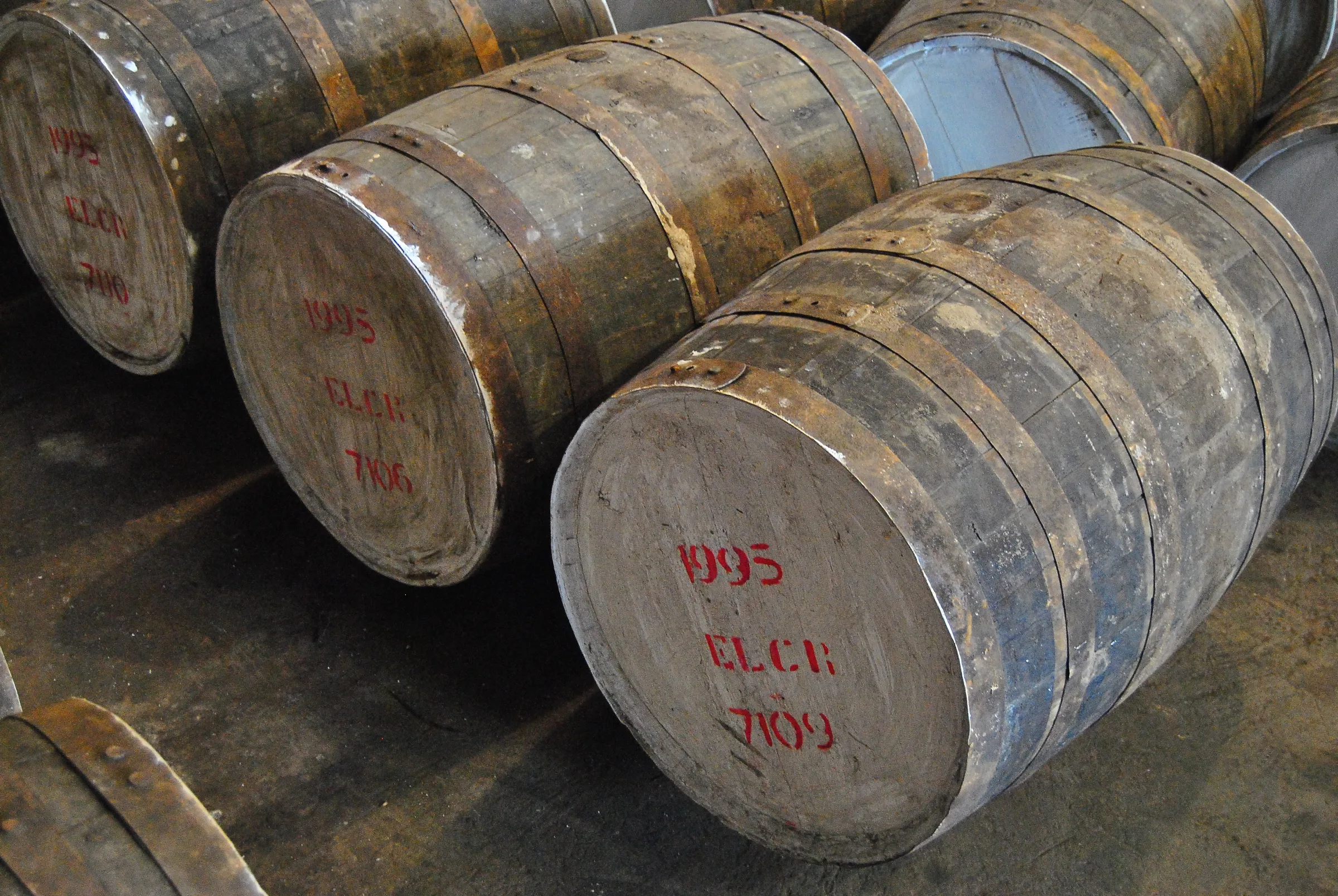
The real challenge came the day after, when we had dinner with Yesu Persaud in an incredible atmosphere. Yesu was the historic chairman of DDL, loved by the people, considered an icon and incredibly influential in Guyana. With a whole Indian restaurant just for us, we had a beautiful dinner and started the conversation about asking for those casks. Yesu, very authoritative and also sweet and gentle, had to limit all the quantities we asked for, but he was very supportive, and after a long negotiation we managed to get those casks: Albion AW 1986, Albion AN 1994, Diamond SVW 1996, Enmore ELCR 1995 and Blairmont B 1982.
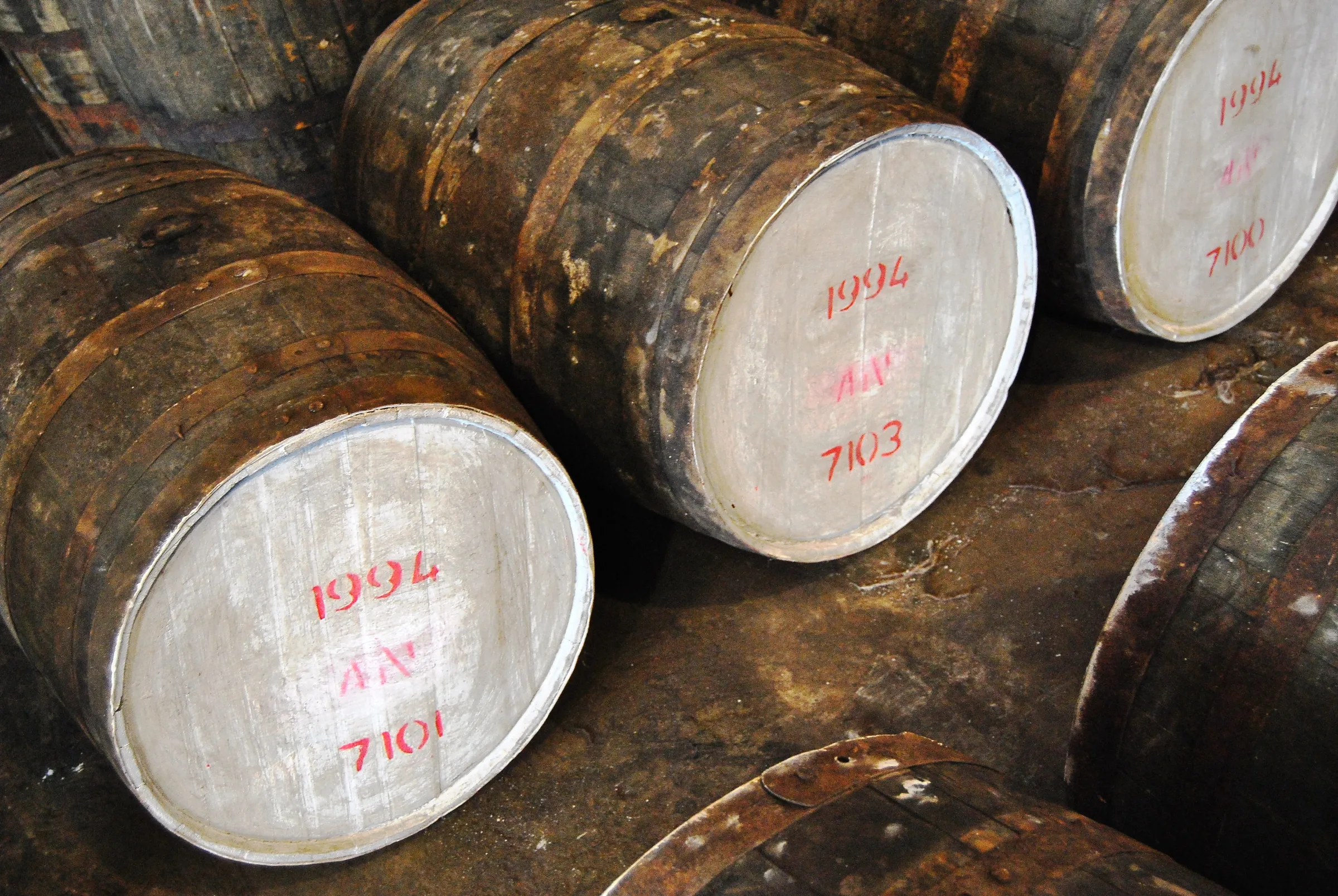
Luca was, not surprisingly, brilliant in that negotiation: respectful, slow and sweet. That night I learned that great relationships can move mountains, and that what Luca and Yesu had was much more than a business relationship. In fact, the day after I heard a sentence I will never forget, when Yesu called Luca “my friend, my brother, my son”. And I immediately thought that joining Velier was a great new adventure in my life!
First of all, I was extremely excited to walk around the belly of rum history, with the Port Mourant and Enmore stills in the same room as all the others. Carl Kanto was with us, and it was our very first approach to the concept of marks: we asked Carl about that heritage, the meanings and the mechanism of the acronyms. Writing on his hand, Carl showed us how every mark referred to a different expression of each still, from the incredible history of the last centuries in Guyana. It was the beginning of a new chapter in understanding rum, which led to the whole ‘archaeological’ research we still do between Guyana, Jamaica, Trinidad and elsewhere.
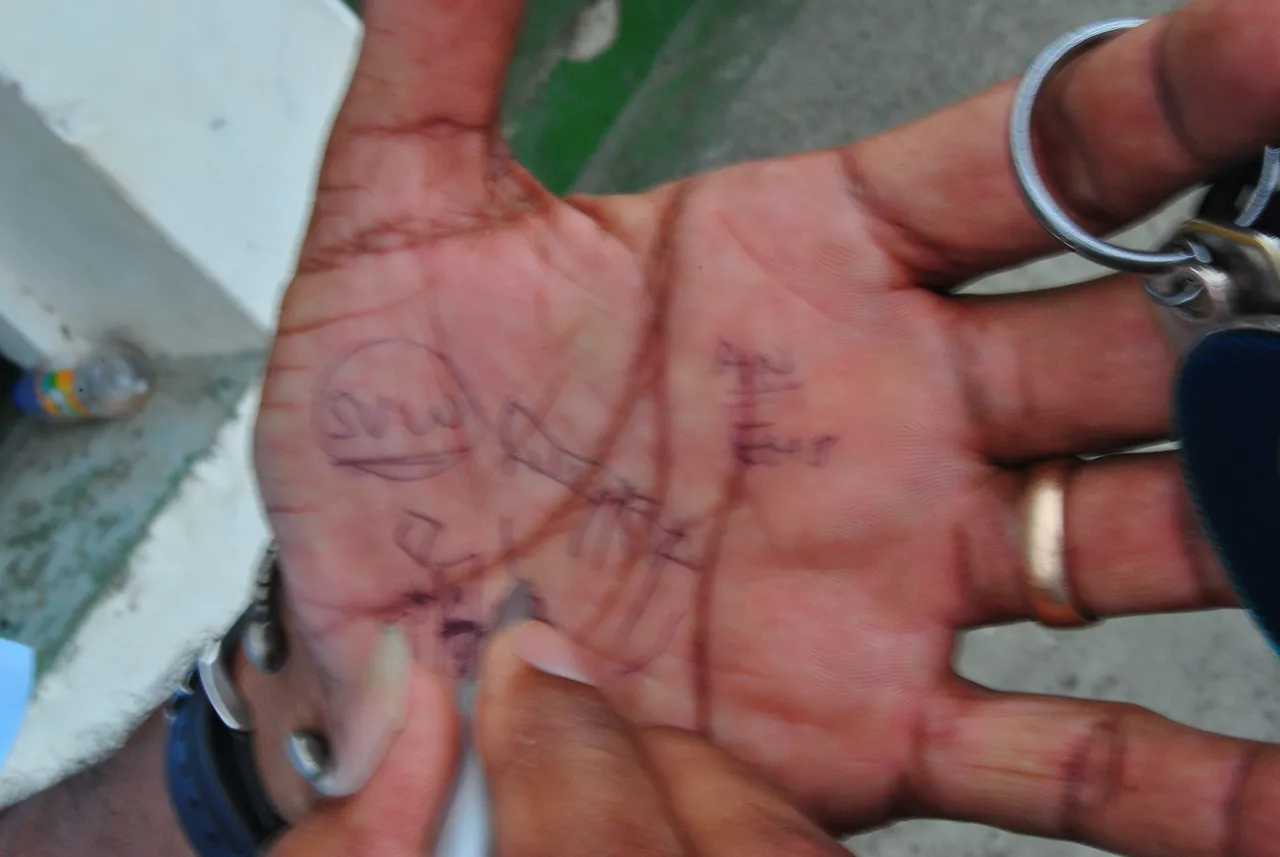
I love all the Demeraras; they have an unmistakable profile. But the Enmore 1995 is still my favourite, because this wooden Coffey still interacts with the wood in a magical way. Many times I still prefer it to an old Port Mourant.
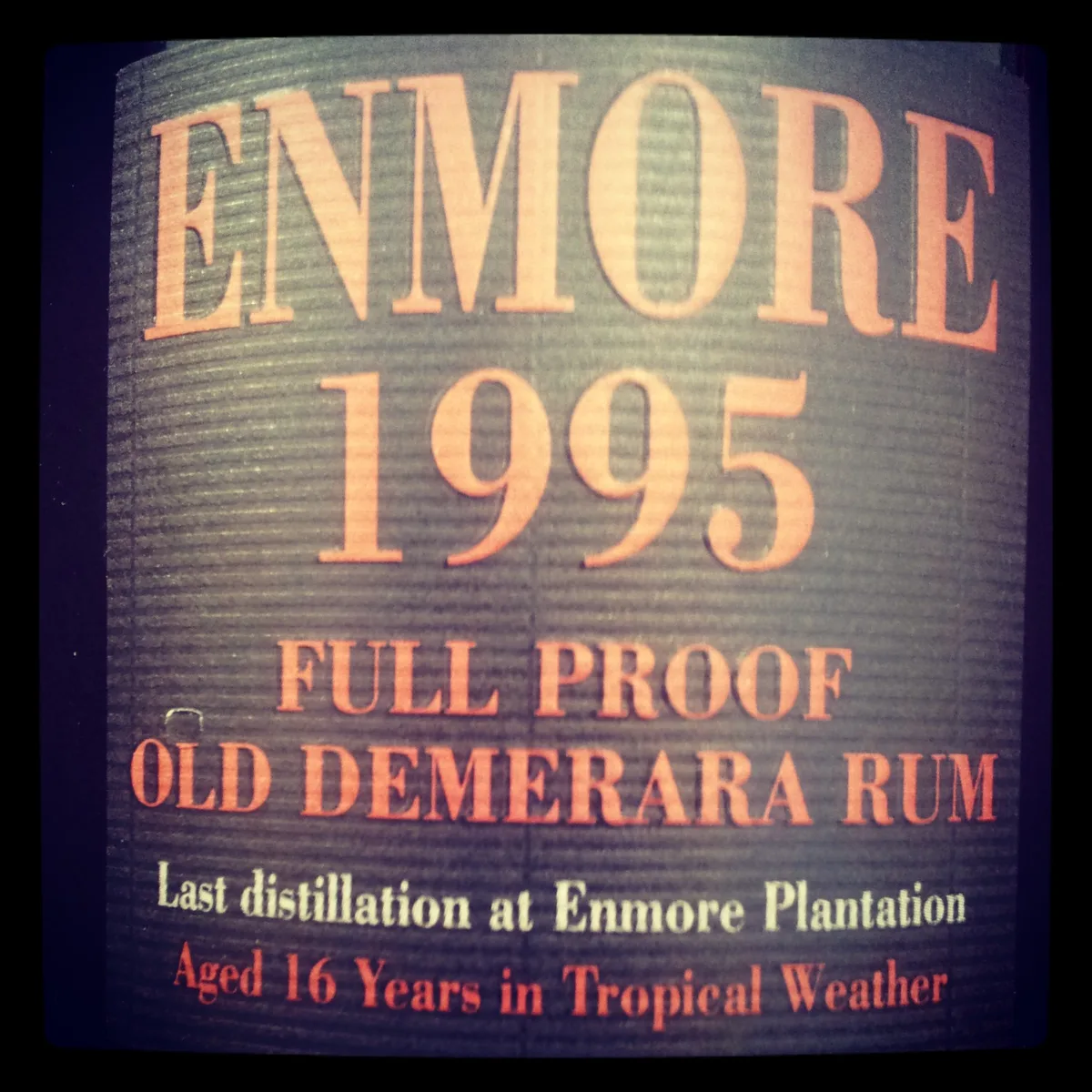
The design had already been defined and consolidated by Luca years before, and it always fascinated me in my early days as a rum lover. I find it extremely elegant in its simplicity. That has always been Luca’s style: let the product speak, in quite essential packaging. The glass is inspired by old whisky bottles, with very elegant and detailed information on the labels. No superlatives, no marketing language, just the technical information, the exotic names of the stills, the acronyms. A raw paper label and just two colours. At that time it was very innovative to do this with rum, and even now this style looks elegant and a little mystical at the same time.
In early 2015 we had a meeting in Genoa with the new CEO of DDL, Komal Samaroo, whom I already knew from my WIRSPA days. He was motivated to protect the Demerara definition. And something happened that is still a paradox: in that meeting with DDL, our supply was stopped. Velier had highlighted the best expression of the Demerara style: liquids left untouched, tropically aged, without additives, labelled with all the precise technical information, constantly building the authenticity of the Demerara heritage. At the same time, DDL decided to keep supplying the independent bottlers, who often did not deliver the message in the same way. And not much later DDL started its own single-still releases, the Rare Collection, adopting Velier’s concept in some way.
I was always surprised, and this was another precious lesson for me, that Luca was happy about this from the beginning, even though our opportunity was over. Just because the mother company had adopted his idea.
So I’m afraid it won’t be possible to do the same project and the same bottlings again. But I always hope: never say never!
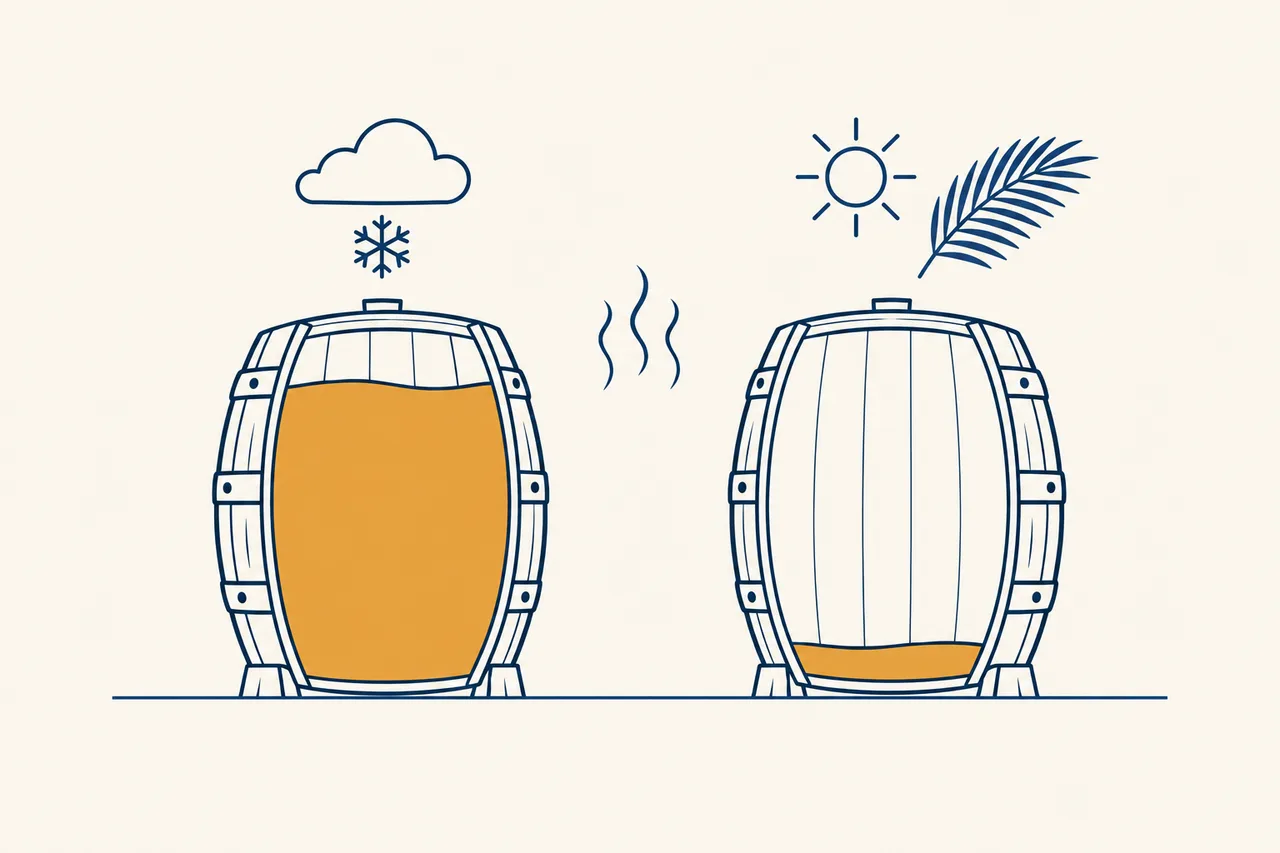
I come from whisky. Maybe that is why it impresses me so much how long these casks sat in Guyana’s heat. There, a multiple of what is lost per year in Scotland evaporates, and the wood keeps working on the rum. So waiting costs you liquid and risks a rum that in the end mostly tastes of cask. Most producers in the Caribbean therefore pull the plug early.
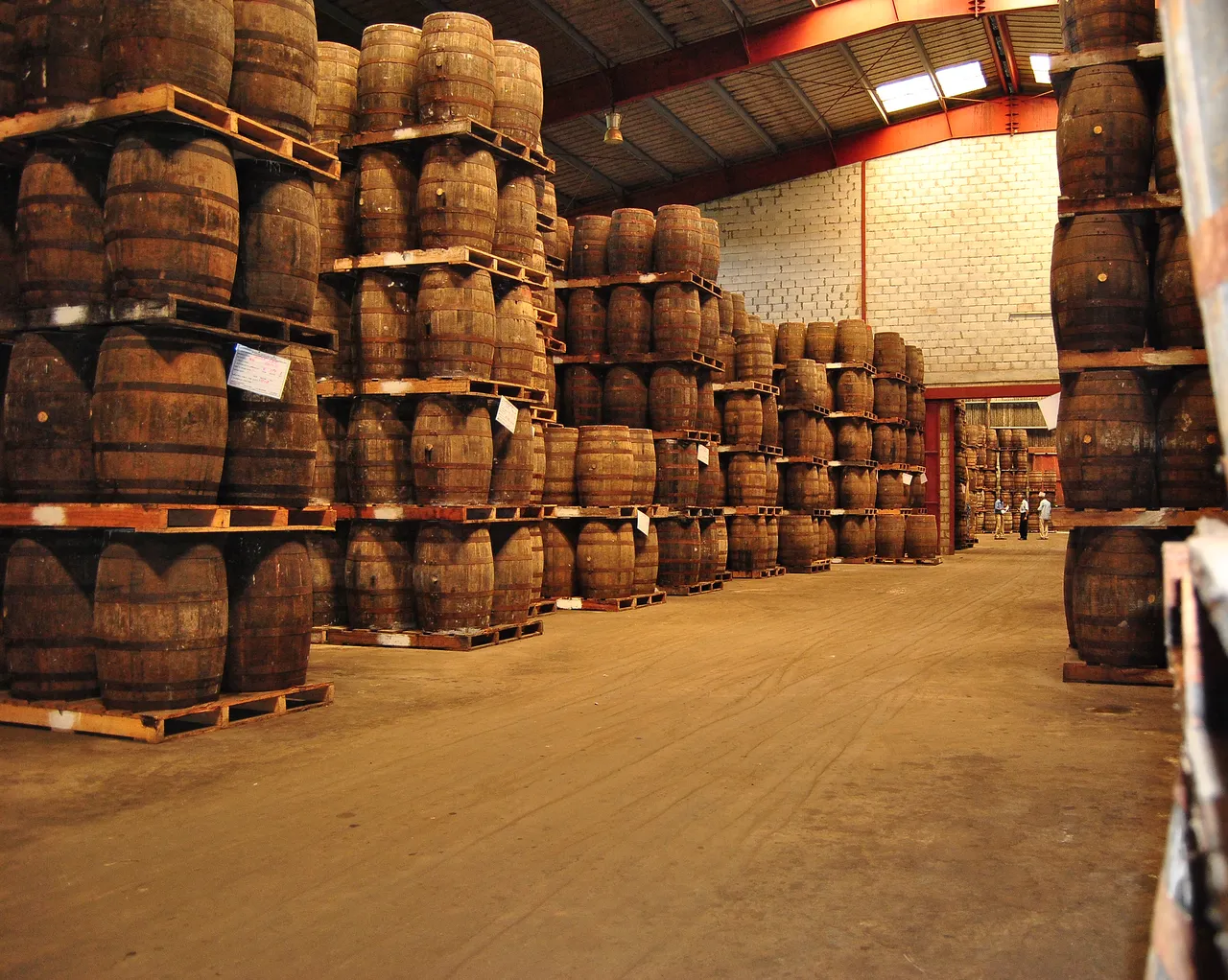
Read the back labels of the Velier Demeraras and your jaw drops. On the UF30E, a Uitvlugt named after the exact cane plot, the label states more than 90 % loss. Almost the entire cask evaporated before anything was bottled. Economically, compared with ageing in Europe, that is a catastrophe, and that is exactly why nobody does it like this any more. Which company would still allow itself that? That is why so little of these rums exists, and why they cannot be repeated. But when I have that density in the glass, I understand the temptation to leave a cask lying that long anyway.
First comes the glue. Yes, glue: Pattex, lacquer, polish, with coconut and vanilla in between. Then, on the palate, wood, dark chocolate and liquorice, sometimes so dense that I only notice after swallowing how much was going on. And it is not just me. In the RumX tasting notes, vanilla, caramel, wood, coconut and glue are the most frequent mentions on the nose; on the palate it is wood, liquorice and dark chocolate. The ratings sit at a median of 9.1.
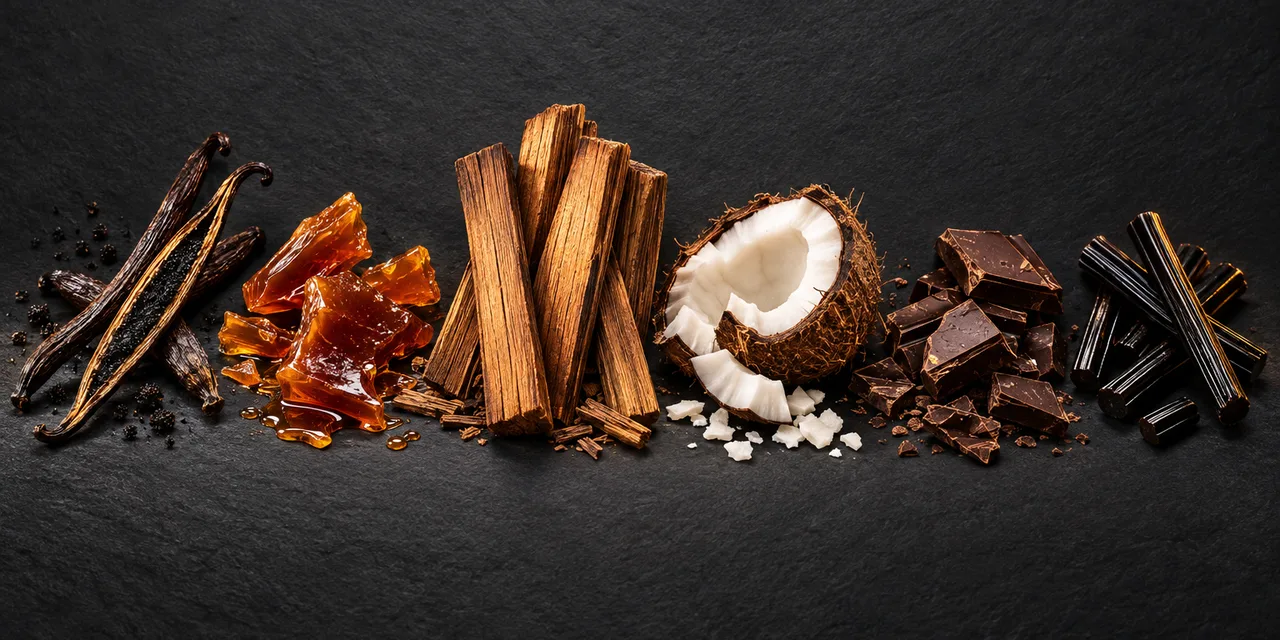
Median 9.1/10, rounded 74 % of ratings are at least 9.0. For comparison: across all rums on RumX the typical score is around 8. Of the 1,449 ratings, 299 come from tasters with a recorded bottle, 214 from tasters with a recorded sample and 936 from tasters without such a collection entry.
So 74 % top scores. You could object that whoever paid a lot of money for a bottle rates generously. Two thirds of the ratings, however, come from tasters who entered the rum neither as a bottle nor as a sample. That does not rule out the influence of price and reputation. Which is why I would rather read the descriptions next to the score: what does someone rave about, and what bothers them about the very rum I love?
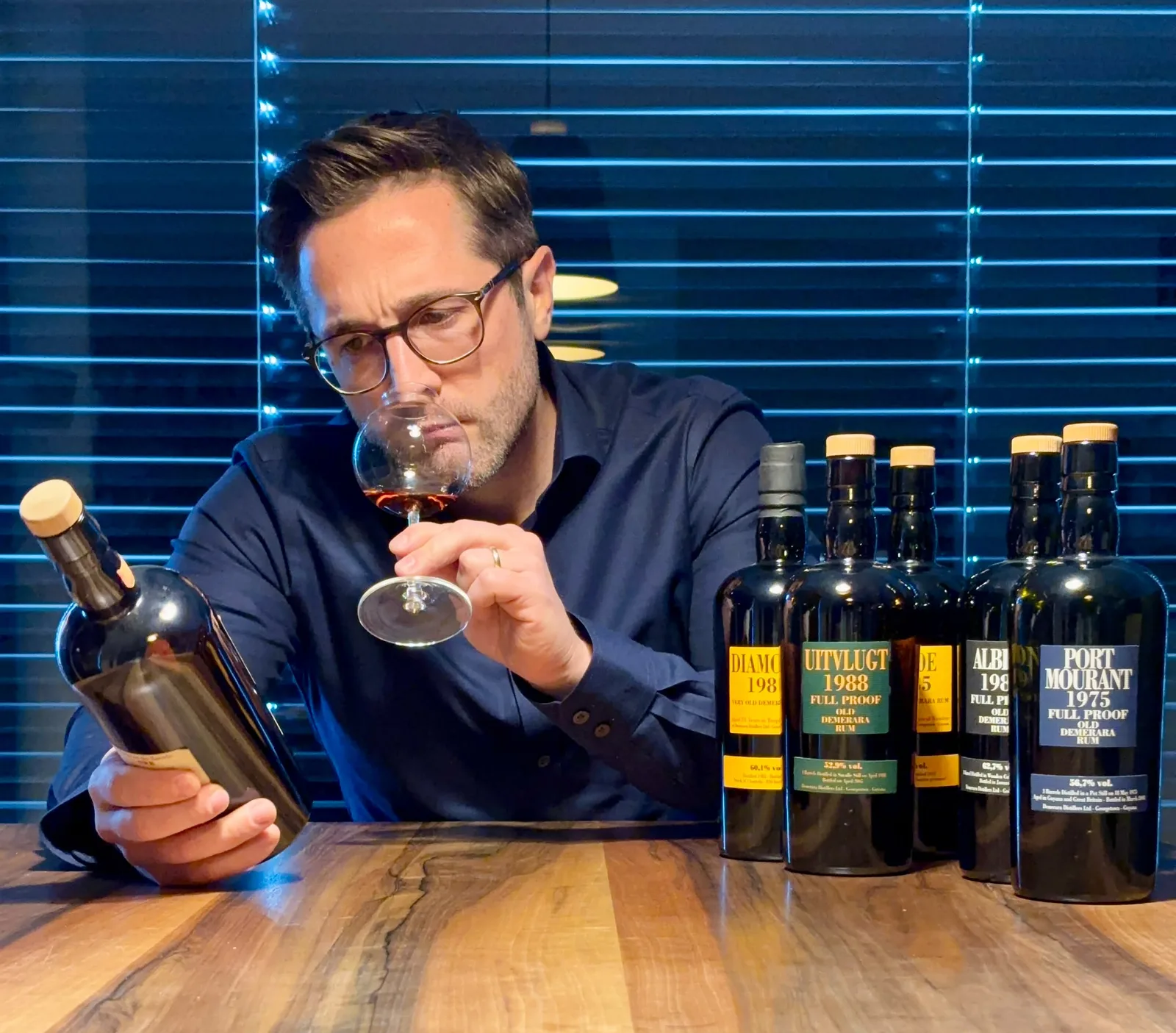
As in any exhibition, there are pieces that stand out. I will show you six of them, each with my verdict, a second one from Jakob and a voice from the community. Jakob Schellhorn from the RumX team is a big Demerara fan and has tasted and rated all the Velier Demeraras side by side in blind tastings. Ratings and bottle data are in the list further down.

The rum where it all began for me. What stayed with me most from my first glass is the espresso: dark and bitter, as if from a Bialetti. And yet it only arrives right at the end. Before it lie earthy notes of wet roots, sweet mango essence, unknown tropical blossoms and the darkest chocolate, so close together that to this day I can barely tell them apart. Forget what others tell you about tropical rum: this is distilled jungle in a glass. Three of the oldest casks carrying the Skeldon mark SWR, distilled on a Coffey still, aged 27 years in Guyana.
I find the same thing in the other tasting notes, above all the nose that keeps changing in the glass:

Review #1000 on RumX. What a dram. This is a very complex rum that changed its nose several times. This really has the whiff of Cognacs around 1900. Very woody without being unnecessarily bitter, floral and slightly spicy notes, burned molasses and baked sour plums. The alcohol is integrated to perfection. Truly great.
Rob’s Take: With a single sip the feverish journey begins, on a wooden boat through the humid tropical jungle, right into the heart of darkness, from which you never want to return. Francis Ford Coppola could make a film out of it.
Jakob’s Take: The Skeldon 1978 really does take you on a journey, and one that never lets you go. It starts with glue rising from the glass, followed by molasses syrup, leather and oak, prunes, dark chocolate that is not even that bitter, cocoa beans, sweet tropical fruit and bitter orange zest, all carried by damp, earthy notes reminiscent of tobacco and wet roots. On the palate the full Demerara force rolls in, brings every aroma from the nose along and embeds them in roasted and bitter notes from the cask, coffee and a finish of anise and iodine. Unbelievable complexity, an experience close to perfection, and for me pure joy to be allowed to enjoy a rum like this.
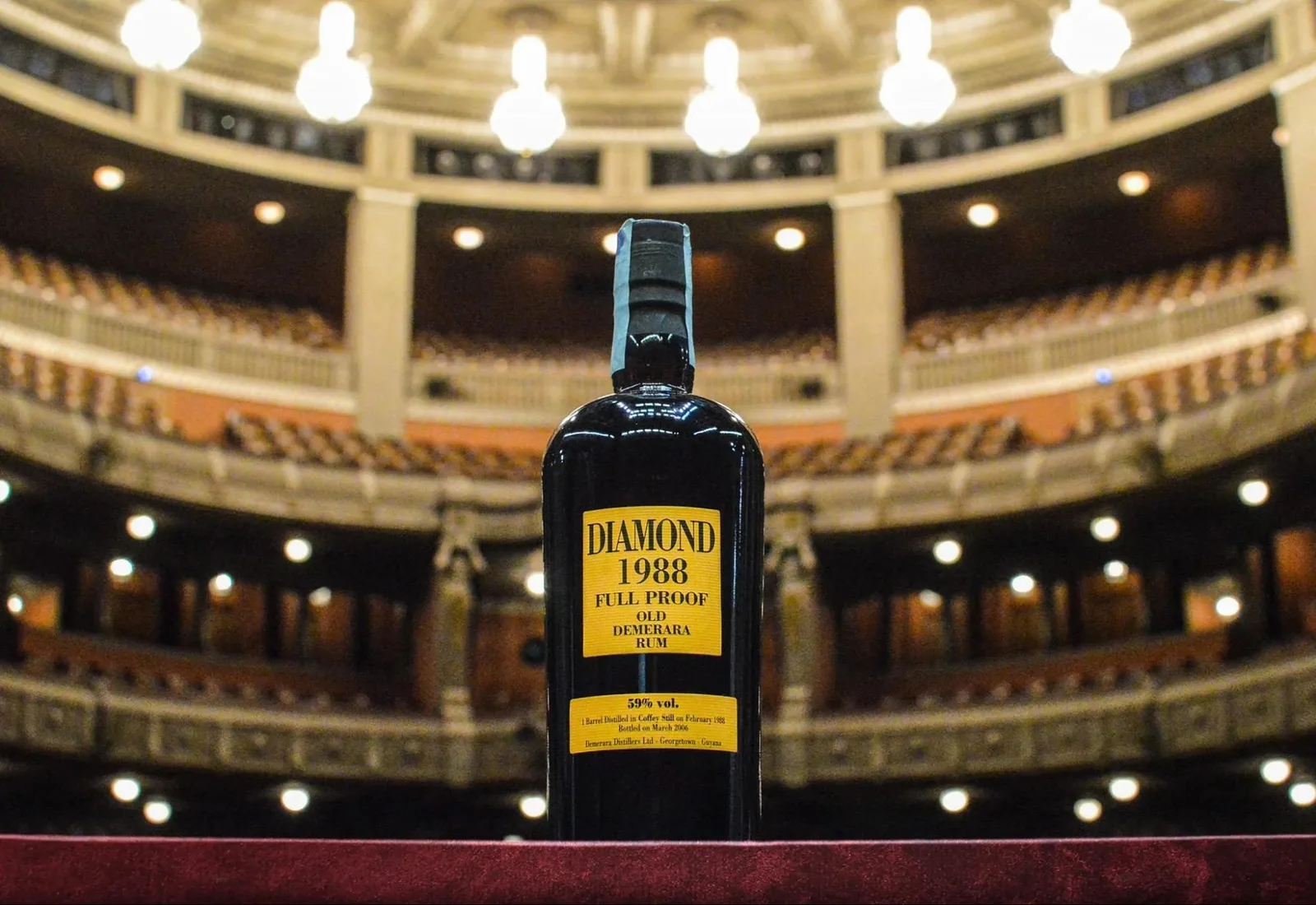
Strawberries and raspberries. That is where this Diamond stops me every time. Coconut, glue and tropical fruit I know from the series. But red berries? Where do they come from?
With only 51 bottles filled, it is the absolute UFO of the rum world. From everything I have researched over the years, at most ten of them still exist today. In the auction data analysed since 2021 it does not appear a single time. A shop, however, sold one for 145,000 €.
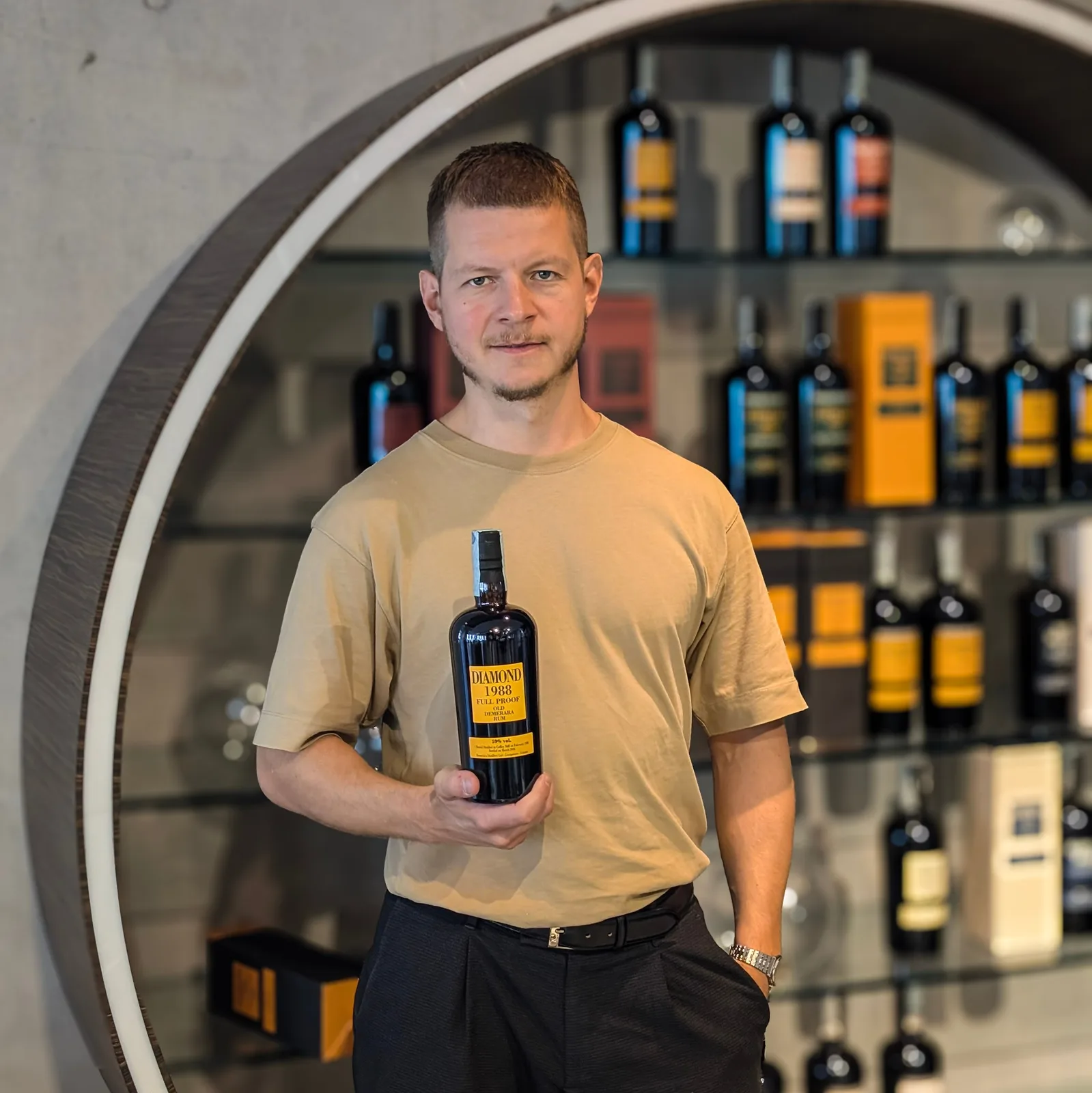
All the more exciting: other tasters independently describe berries too, right up to “strawberry yoghurt” from a blind tasting of all the Velier Diamonds. Matches like that matter more to me than a bottle’s ranking. Someone else has found exactly the spot in the glass that I keep coming back to as well.

For me the perfect rum. Incredibly intense, complex, yet balanced and round. Lots of strawberry, a bit of glue, wood. Differs very clearly from the other Diamonds.
Rob’s Take: Diamond 1988 is my Rex Tremendae, the king of column-still rums. Perfect cask influence. Perfect sweetness. Perfect tropical profile. Perfect elegance. Did I mention perfect?
Jakob’s Take: Majestic, without a doubt, and not only because of its rarity and its remarkable price history. I too found those fully ripe strawberries and sweet tropical fruit when tasting it, a combination I have not come across again among the Velier Demeraras. Add to that the typical Diamond aromatics, which also shape the picture on the palate: the cask shows itself with roasted notes, alongside subtle coffee and, once again, a pleasant sweetness of red berries, vanilla and milk chocolate. The fruity sweetness stays present right into the finish. Guyana rum meets strawberries: rare, unique and by now an experience from another time.
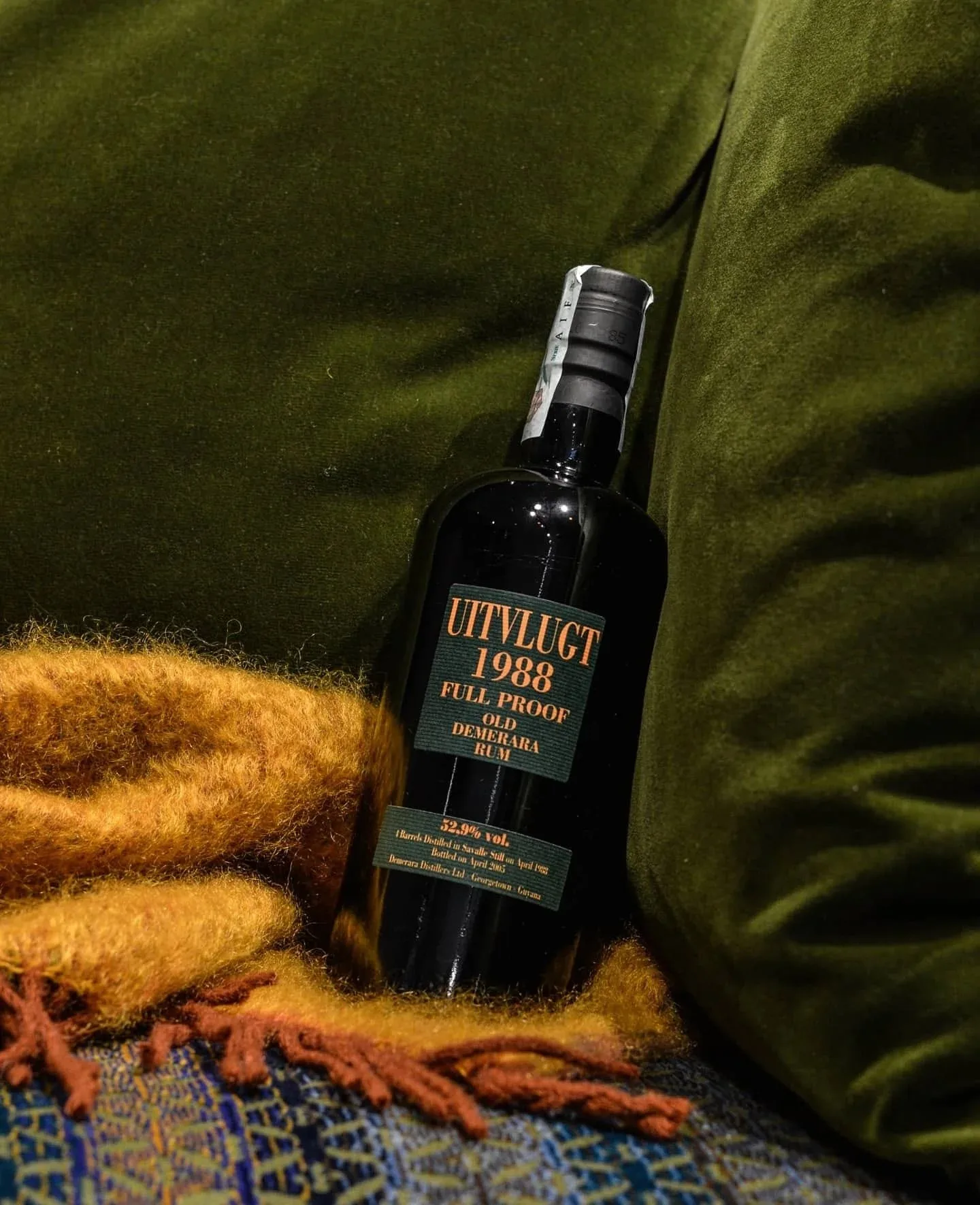
With this Uitvlugt I take my time before the first sip, because so much is already going on in the nose. Pattex, then dried mango and papaya, behind it roasted cocoa and coffee. On the palate the alcohol is perfectly integrated, with a fantastic sweetness, and tropical herbs and flowers keep everything moving. And every time I think the finish should slowly be over, something else turns up.

For me the spearhead of tropically aged Demeraras. The nose greets you warmly and composed. Wonderfully integrated glue, fresh, aromatic, warm pipe tobacco. Loads of sugary raisins, dried dates and coconut oil. There is practically no bitterness, and the alcohol is excellently integrated. For me an absolute masterpiece.
Rob’s Take: Once you have smelled the glass, you are instantly addicted to this wonderful, captivating scent. This bottle should ship with a warning sticker.
Jakob’s Take: The mere list of aromas sounds familiar at first, because glue, vanilla, caramel, coconut and milk chocolate are well known from British-style column-still rums, especially tropically aged ones. But only the Uitvlugt 1988, at its best, shows how perfectly matured, balanced and finely nuanced this profile can be. A harmony of aromatic chords that fascinates me time after time.
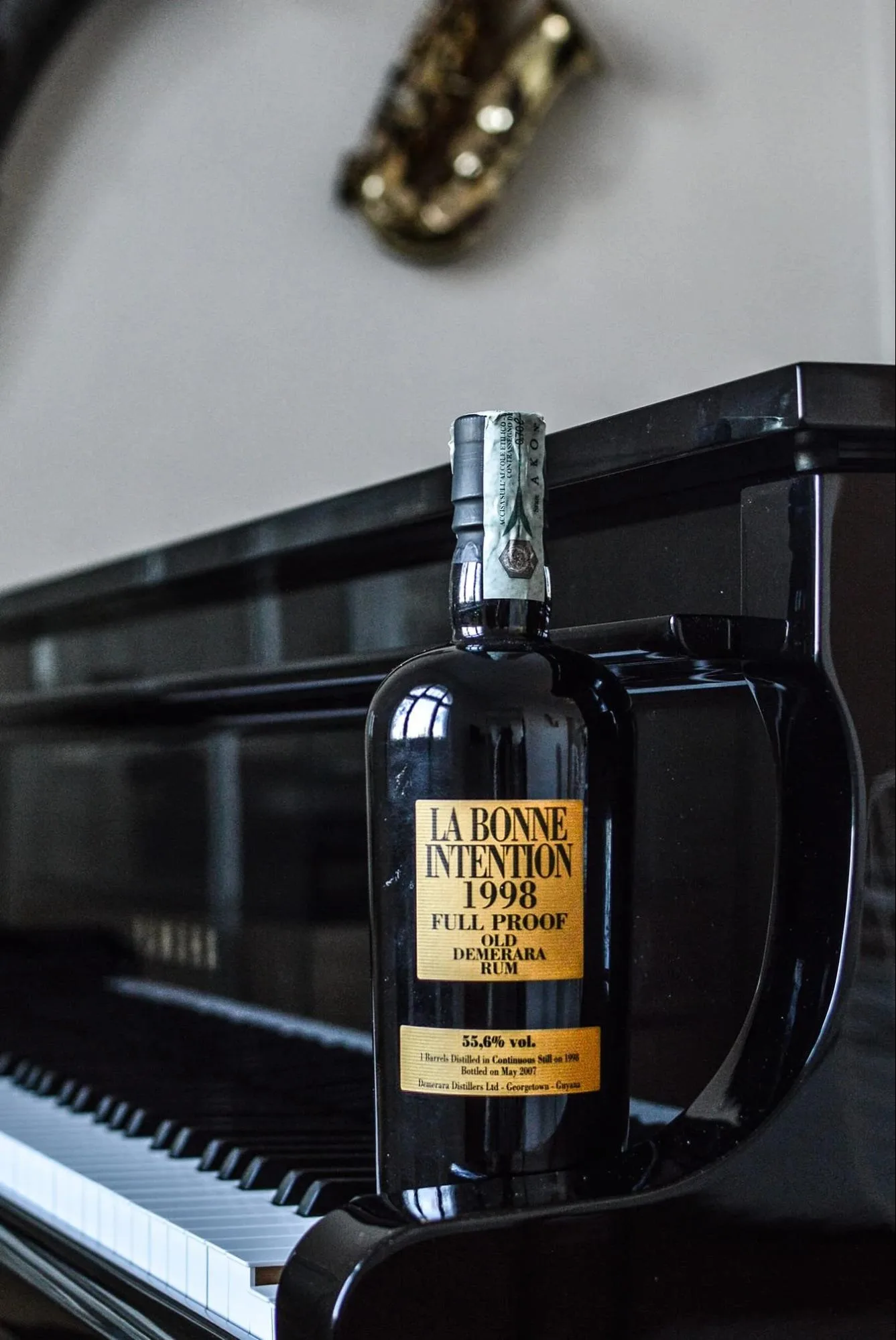
Smoke, damp earth, then ethereal frankincense and fermented mango. This La Bonne Intention is hard to pin down, because the impressions are so different and still fit together. Where does the smoke come from? My guess is the historic fermentation recipe, but I cannot prove it. What amazes me most is how mature and layered it tastes after only nine years. I have never had anything more complex at that age in the glass, in any spirits category. One taster writes almost the same: “Hard to believe that such a balanced and versatile profile can emerge after a comparatively short maturation.”

Never have I been so nervous opening a bottle and filling the samples. Not a single drop to be spilled, every bit has to be used, and after a job well done the rest may go into the tasting glass. A once-in-a-lifetime rum.
Rob’s Take: A dark, mysterious masterpiece. A wild Beethoven sonata in a single sip.
Jakob’s Take: Beethoven or Guerlain? Either way, this rum awakens the synaesthete in us. For me the La Bonne Intention is one of those rums that could pass for a perfume at any time. The accord on the nose is hard to beat for elegance: precious wood, moist tobacco, leather, sweet liquorice, floral blossoms and smoke. The blend recalls different Demerara styles but stays its own thing in the best sense, marrying all the notes in perfect harmony. Truly impressive that such a complex yet balanced profile emerges after only nine years in the cask: a testament to the magic of tropical ageing.
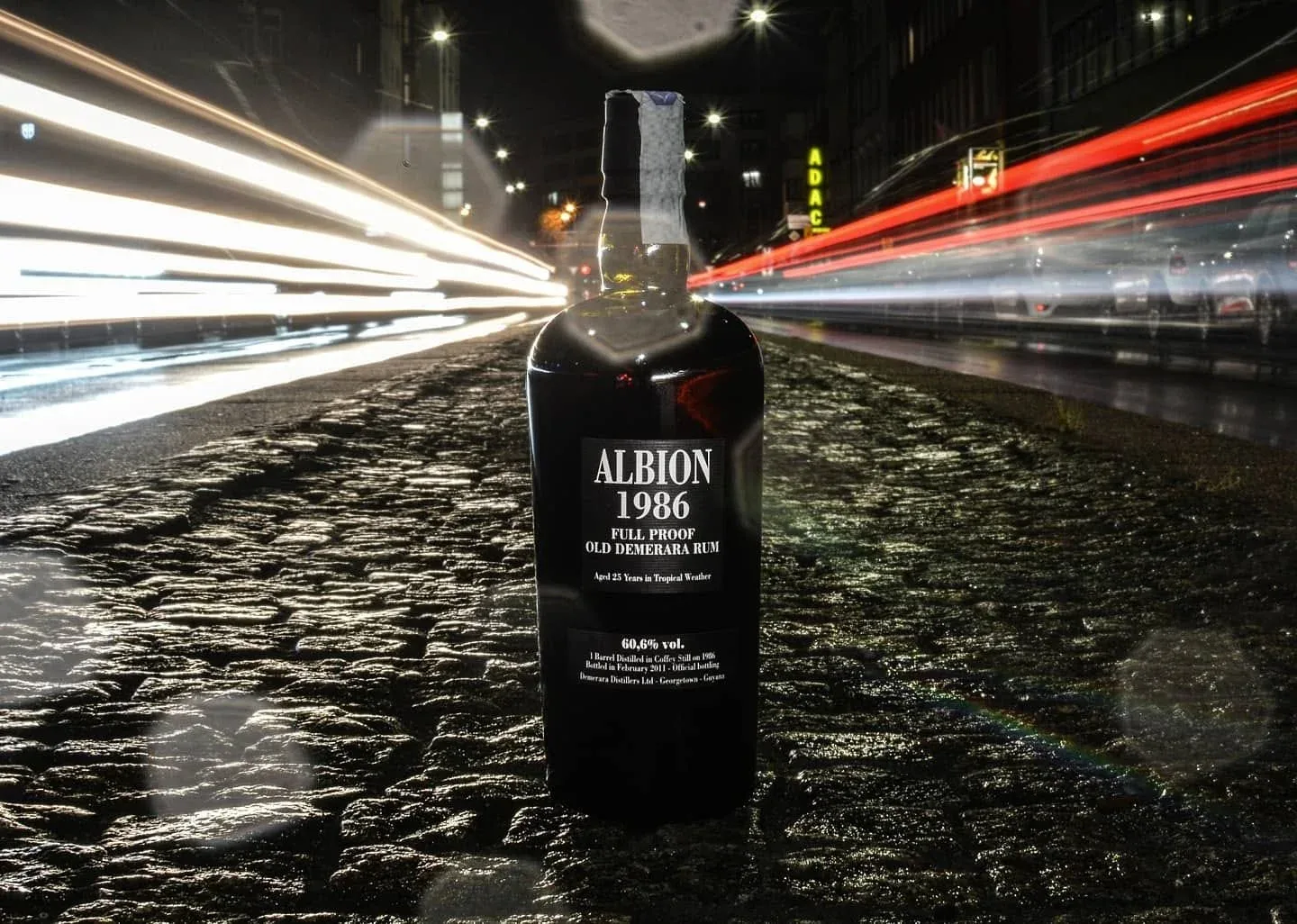
Ever smelled a rare blossom in the jungle of Guyana while smoke from a teak campfire drifts over from afar? With this Albion the blossoms catch me first, then glue, tropical fruit, mocha and wood oils join in. My favourite nose of the series, because it shows me something different every time. On the palate it turns heavy and dense, with a sweetness that invites the next sip straight away.

Wow, what a rum. For me the winner of tonight’s tasting. Unique in taste, a mixture of yellow fruit, caramel, marzipan and wood. A beautiful interplay. Sadly, the bottle is no longer affordable today.
Rob’s Take: There’s a starman waiting in the sky. He’d like to come and meet us but he thinks he’d blow our minds. A truly galactic rum that would bring David Bowie back to the living.
Jakob’s Take: Tasting these rums remains a truly otherworldly pleasure, and with the Albion 1986 the next Demerara thunderclap follows straight away. This release is the archetype of the tropically aged Demerara profile of the highest class. On the nose it opens with rich glue and powerful cask notes; behind them unfold a finely balanced sweetness of caramel, vanilla sugar, ripe coconut and dried fruit, but also bitter aromas of dark chocolate, clove, anise and mineral, medicinal notes. Intense on the palate, again with the full register of aromas from the nose, it fills the mouth at once and challenges us with its astringency. For all its power it never loses its balance: the Albion 1986 is a rum that positively lives in the glass.

Dark chocolate, prune and roasted coffee: that is how I hold this Port Mourant in my head. Then tonka bean and wet roots arrive, and the wood spreads out. A wood monster, in the best sense: for me the wood carries the dark aromas instead of covering them. It comes from the cask, by the way, not from the wooden double pot still it was distilled on. When I read leather, black tea and tobacco in the community notes, I want to taste it side by side again right away.

An old Port Mourant with a lot of depth. On the nose wood, liquorice, leather and dark dried fruit, plus a little wax and a fine spice. On the palate dry and dense, with lots of oak, tobacco, spices and a slightly bitter note. Despite its age it does not seem tired but astonishingly present. A classic old PM with plenty of character.
Rob’s Take: Among the Port Mourant bottlings I know, 1964 and 1975 are the great vintages, whichever bottler. This one definitely sits on the dark side of the moon.
Jakob’s Take: There is little to add. For the Guyana lovers among rum lovers, Port Mourant 1975 is nothing less than a hallmark of the very highest enjoyment: opulent dried fruit meets wood and tobacco notes, accompanied in the background by heavy molasses and fruit sweetness and bitter dark spices. On the palate the age shows: the long maturation has left clear bitterness and roasted notes in the profile. Archetypal for the 1970s Demeraras in taste, and proof of what formidable rums were made in that decade.
The six icons on RumX. Every card leads to the product page with all tasting notes and the auction-based market value.
Velier Skeldon SWR 1978 Velier Diamond Old Demerara Rum SV 1988
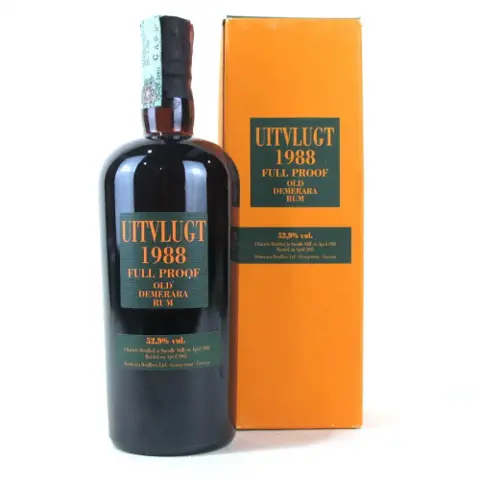 Velier Uitvlugt SP - ICBU SP - ICBU 1988

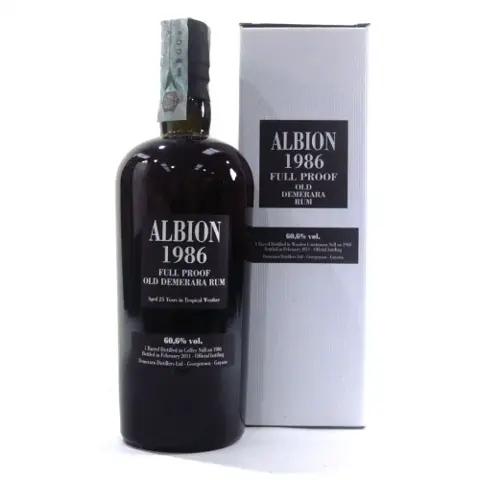 Velier Albion AW 1986
 Velier Port Mourant PM 1975
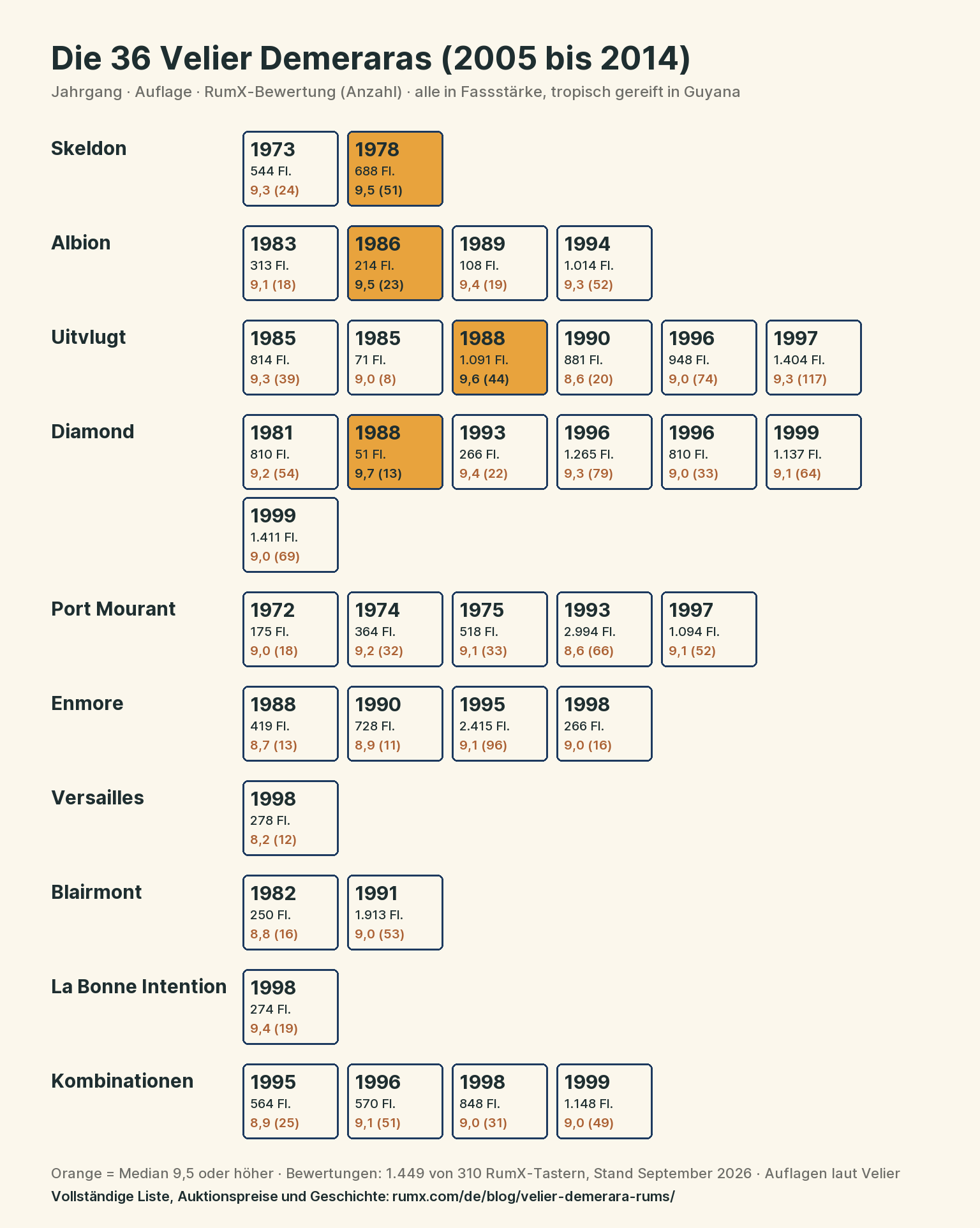
The list is sorted by community rating: first by median, ties broken by number of ratings (in brackets). Read both together, because a score from few tastings rests on a narrower base. Below each name you will find age, strength and outturn. The last hammer price is the most recent in the RumX auction data, without buyer’s premium, pounds converted to euros at a flat 1.17.
| Bottle | Rating | Last hammer price |
|---|---|---|
| Diamond 1988 SV 18 y · 59 % · 51 bottles | 9.7 (13) | no hammer since 2021 |
| Uitvlugt 1988 ICBU SP 17 y · 52.9 % · 1,091 bottles | 9.6 (44) | 5,500 € Jun 2026 |
| Skeldon 1978 SWR 27 y · 60.4 % · 688 bottles | 9.5 (51) | 10,000 € Apr 2026 |
| Albion 1986 AW 25 y · 60.6 % · 214 bottles | 9.5 (23) | 8,000 € Aug 2025 |
| Diamond 1993 <>W 12 y · 61.4 % · 266 bottles | 9.4 (22) | 5,085 € Mar 2026 |
| La Bonne Intention 1998 LBI 9 y · 55.6 % · 274 bottles | 9.4 (19) | 4,680 € Mar 2026 |
| Albion 1989 AN 19 y · 62.7 % · 108 bottles | 9.4 (19) | 11,000 € Aug 2025 |
| Uitvlugt 1997 ULR 17 y · 59.7 % · 1,404 bottles | 9.3 (117) | 800 € Sep 2026 |
| Diamond 1996 SVW 15 y · 64.6 % · 1,265 bottles | 9.3 (79) | 1,236 € May 2026 |
| Albion 1994 AN 17 y · 60.4 % · 1,014 bottles | 9.3 (52) | 2,382 € Sep 2026 |
| Uitvlugt UF30E 1985 27 y · 60.7 % · 814 bottles | 9.3 (39) | 3,627 € Sep 2026 |
| Skeldon 1973 SWR 32 y · 60.5 % · 544 bottles | 9.3 (24) | 12,285 € Mar 2026 |
| Diamond 1981 S<W> 31 y · 60.1 % · 810 bottles | 9.2 (54) | 1,404 € Jun 2026 |
| Port Mourant 1974 34 y · 54.5 % · 364 bottles | 9.2 (32) | 3,393 € Aug 2026 |
| Enmore 1995 ELCR 16 y · 61.2 % · 2,415 bottles | 9.1 (96) | 664 € Sep 2026 |
| Diamond 1999 <S> 15 y · 53.1 % · 1,137 bottles | 9.1 (64) | 644 € Jul 2026 |
| Port Mourant 1997 UPM 15 y · 65.7 % · 1,094 bottles | 9.1 (52) | 731 € Jun 2026 |
| Diamond & Versailles 1996 SVSG 18 y · 57.9 % · 570 bottles | 9.1 (51) | 540 € Aug 2026 |
| Port Mourant 1975 33 y · 56.7 % · 518 bottles | 9.1 (33) | 2,223 € Sep 2026 |
| Albion 1983 AN 25 y · 46.4 % · 313 bottles | 9.1 (18) | 4,500 € May 2026 |
| Uitvlugt 1996 MGS 18 y · 57.2 % · 948 bottles | 9.0 (74) | 855 € Aug 2026 |
| Diamond 1999 SVW 15 y · 64.7 % · 1,411 bottles | 9.0 (69) | 500 € Jun 2026 |
| Blairmont 1991 15 y · 56 % · 1,913 bottles | 9.0 (53) | 4,001 € Sep 2026 |
| Diamond & Port Mourant 1999 <W>PM 15 y · 52.3 % · 1,148 bottles | 9.0 (49) | 455 € Sep 2026 |
| Diamond 1996 SSN 16 y · 63.4 % · 810 bottles | 9.0 (33) | 790 € Sep 2026 |
| Enmore & Port Mourant 1998 EHPM 16 y · 62.2 % · 848 bottles | 9.0 (31) | 702 € Aug 2026 |
| Port Mourant 1972 36 y · 47.8 % · 175 bottles | 9.0 (18) | 6,318 € Feb 2026 |
| Enmore 1998 EHP 9 y · 64.9 % · 266 bottles | 9.0 (16) | 4,212 € Feb 2026 |
| Uitvlugt 1985 ICBU 21 y · 46 % · 71 bottles | 9.0 (8) | 42,057 € May 2024 |
| Diamond & Port Mourant 1995 <SV>PM 19 y · 62.1 % · 564 bottles | 8.9 (25) | 510 € Mar 2026 |
| Enmore 1990 MEA 18 y · 61 % · 728 bottles | 8.9 (11) | 1,989 € Jun 2026 |
| Blairmont 1982 29 y · 60.4 % · 250 bottles | 8.8 (16) | 5,400 € Mar 2026 |
| Enmore 1988 MEA 20 y · 51.9 % · 419 bottles | 8.7 (13) | 1,696 € Jun 2026 |
| Port Mourant 1993 13 y · 65 % · 2,994 bottles | 8.6 (66) | 491 € Jul 2026 |
| Uitvlugt 1990 MPM 17 y · 66 % · 881 bottles | 8.6 (20) | 1,287 € Jul 2026 |
| Versailles 1998 VSG 9 y · 46.5 % · 278 bottles | 8.2 (12) | 3,861 € Apr 2026 |
According to Velier, a total of 28,658 bottles of this series were released. How many of them are left, nobody knows. 1,382 bottles are recorded on RumX, most of them still sealed. That is a snapshot, not an inventory.
When these bottles came out, they cost around 100 €. A Skeldon 1978 sat on the shelf for around 155 €, and it sat there for a long time. Picture that: 27 years of tropical ageing, 688 bottles, for the price of a good dinner. Luca Gargano saw something back then that the market only understood years later. Whoever put one of these bottles on the shelf unopened now owns a multiple: for the Uitvlugt 1997 ULR roughly five to eight times at today’s hammer prices, for the Skeldon 1978 seventy times. One taster simply writes of the Uitvlugt 1988 that the price has “gone up by a factor of at least 50”.
Anyone who has hunted samples for years knows how quickly curiosity turns into the wish to finally find one particular bottling. So I look closely at prices. For this, RumX opened its analysis of four auction houses to me: Catawiki, the partner of this series, plus Rum Auctioneer, RhumAuction.com and Rum Trades. Together that is 68,086 rum lots since March 2021, among them 769 hammer prices for the 36 bottles of this series. Two things stand out immediately.
First: this series sits at the top of the rum auction market. Of all 40 lots since 2021 with a hammer price of 10,000 € or more, 30 come from this series. The rest are Velier Caronis, a Jamaica rum from 1954 and a Cadenhead Uitvlugt 1964. Of the 197 lots at 5,000 € or more, it is 84. The 36 bottles account for almost 10 % of the total hammer volume of all 68,086 lots.
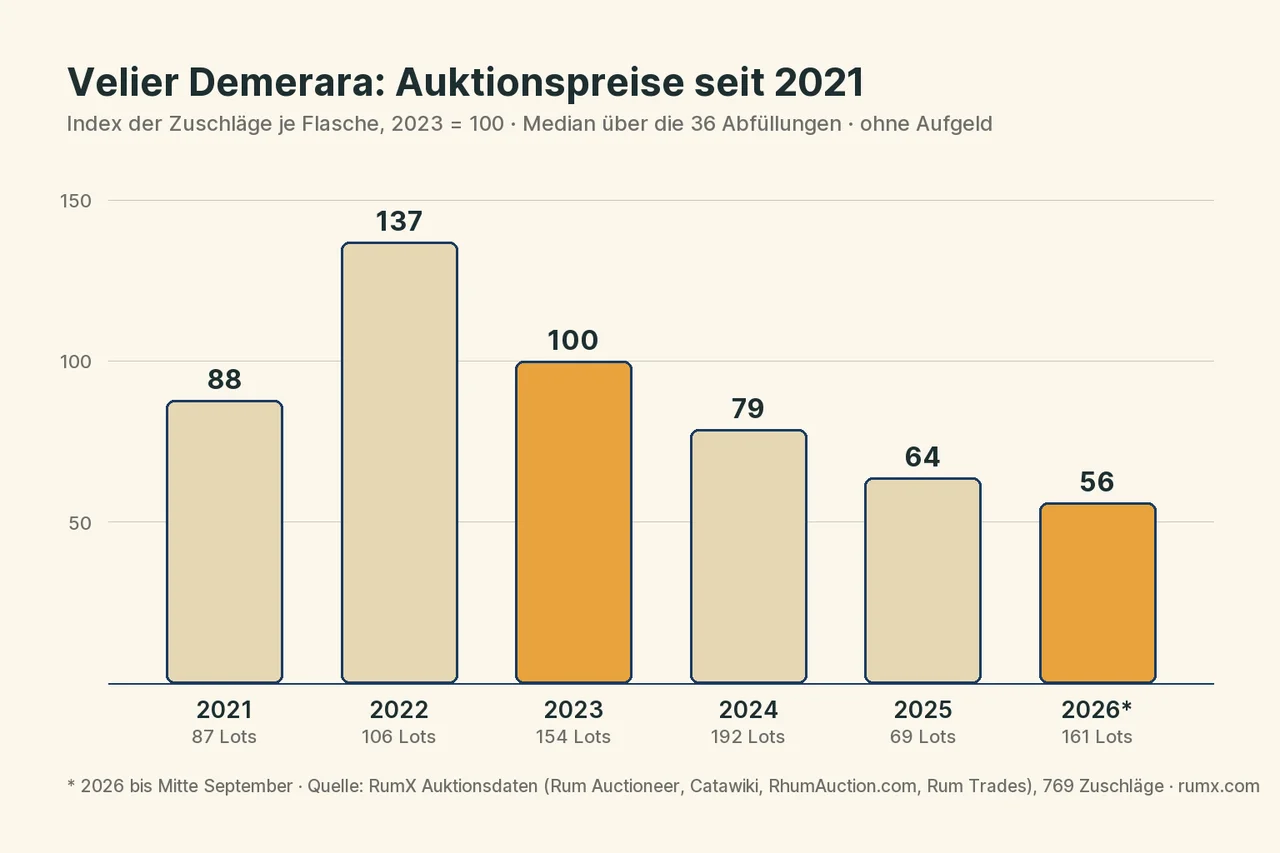
Second: after the Covid-era peak the market corrected, like almost every tangible asset class.
Median price change per bottle versus 2023, across all bottles with hammer prices in both years. The comparison group changes with data availability; 2026 covers 31 bottles up to mid-September. Without buyer’s premium, pounds converted at 1.17.
The peak came in 2022/2023, at the end of a phase in which luxury watches, classic cars, whisky and rare rum had all risen sharply within a short time. Whoever bought at that peak sees different prices today: a Skeldon 1978 sold for a converted 29,250 € in November 2022 and for 10,000 € in April 2026. For the Uitvlugt 1997 ULR the median sat at 1,750 € in 2023 and at 803 € over the last twelve months. Across the series, 2026 hammer prices sit 44 % below 2023 at the median.
Measured against the release prices, that is a correction at a high level, not a devaluation. And not every bottling goes along with it: the Diamond 1993 was most recently hammered higher than ever before.
I know the pattern from whisky. Its secondary market lost around 18 % in value between October 2023 and September 2024 according to Noble & Co, and the Knight Frank whisky index compiled by Rare Whisky 101 fell 9 % in 2024. High interest rates, less luxury spending and a market that had simply risen too fast from 2020 to 2022. To me that is a healthy correction, not the end of a story. What share the individual causes have in the correction of the rum series cannot be read from the data, though.
People keep looking for these bottles regardless. Up to mid-September 2026, 161 lots from the series went under the hammer, more than in the whole of 2025. Demand is there, just at different prices.
What carries the value of this series is not in the price index but in the cask. Twenty to thirty years of tropical ageing with an angel’s share above 90 % make no economic sense compared with a few years in a European warehouse. No producer lays casks down in Guyana that long today, and Velier’s access to the old stock at DDL has been history since the mid-2010s. This quality is no longer made like this. Every opened bottle shrinks the stock, and every bottle on a wishlist grows the demand. That is the mechanism behind the hammer prices. It has nothing to do with Covid.
Hammer prices show what people pay. Anne Marie Nijhoff, spirits expert at Catawiki, the partner of this series, describes what is shifting behind them:

It’s particularly interesting to see how the market for historic Demerara rum continues to evolve. Collectors are becoming more selective, looking beyond rarity alone and paying closer attention to provenance, production methods and individual bottlings. Prices may have adjusted from their previous peaks, but I believe the significance of these bottlings goes well beyond their scarcity.
What I find particularly exciting is that collecting is no longer limited to individual bottles. With the recent introduction of dedicated rum cask auctions at Catawiki, enthusiasts can now explore the possibility of acquiring an entire cask and bottling their own rum.
The original Velier Demerara releases belong to a chapter of rum history that cannot simply be recreated, and that’s part of what makes these bottles so sought-after today. For some, they’re the Holy Grail; for others, a unicorn. But if you’re lucky enough to taste one, you’ll understand what all the fuss is about. And like any great rum, I think the experience is even better when shared.
Set the rum prices next to the big whisky hammer prices. A complete set of the Hanyu Card Series, 54 bottles from the Japanese distillery mothballed in 2000, fetched around 1.3 million euros at Bonhams in 2020. A single bottle of Macallan 1926 Adami fetched 2.19 million pounds at Sotheby’s in November 2023. The highest rum hammer price in the data analysed is 42,057 €. The gap is gigantic.
I am not claiming rum will catch up. I am claiming that these rums, to my palate, hold their own next to my favourite high-end whiskies and well-known whisky legends like Brora or Port Ellen. And that the rum collectors’ market is ten to fifteen years younger than the whisky collectors’ market. What that means for prices, nobody knows, and I do not give investment advice.
What I can say: for buyers, the moment after a correction has historically been the more interesting one. Many bottlings sit well below their peak prices again, and the series comes up often enough to be choosy. For sellers the mirror image applies: demand is intact, and whoever bought years ago still sits on a multiple of the release price. My enthusiasm is the same in both cases. Part 4 of this series goes deeper into the comparison between collecting rum and collecting whisky.

I got through this series on samples, and on people who gave some of theirs away. That is exactly where I would start if you have become curious. The scene lives on sharing: whoever opens a bottle decants, trades, gives away. In the tasting notes I keep reading the same sentences: “Thanks for sharing”, “Thanks to Egon for the sampler”, “Merci pour le sample”. Behind them is a moment I know well: someone pours you something you have searched for a long time and wants to hear what you find in it. One taster tasted nine bottles of the series side by side on a single evening, with friends.
In the RumX forum you will find bottle splits and tasting rounds. At fairs like the German Rum Festival these bottles are sometimes open on the table. And if you know someone who has one: ask.
Not everything costs five figures. For a first bottle or a first sample I would look at these three bottlings. They trade regularly, are comparatively accessible within the series and show three different sides of Demerara:
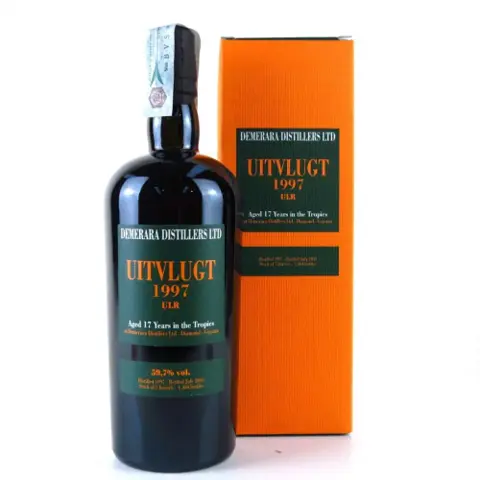 Velier Uitvlugt ULR ULR 1997
Best for: The entry into the series with the broadest rating base.
Uitvlugt 1997 ULR, 17 years, 59.7 %. Median 9.3/10 from 117 ratings, the most-owned bottle of the series. 14 hammer prices in the last twelve months, median 803 €. Coconut, vanilla, glue, caramel.
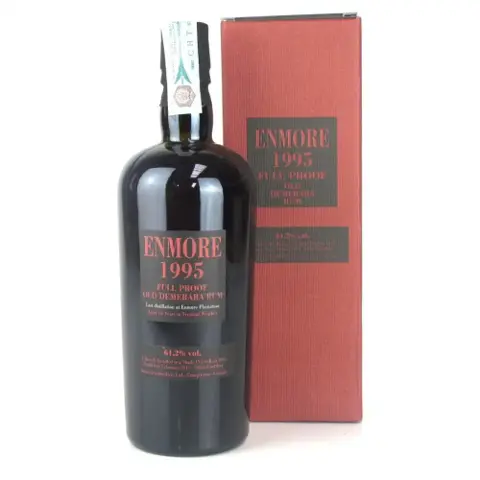 Velier Enmore ELCR ELCR 1995
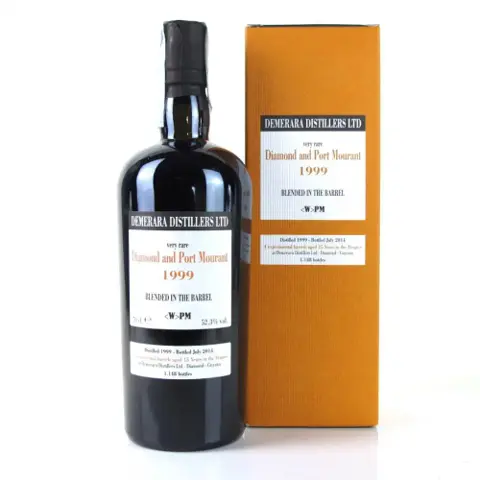 Velier Diamond (Port Mourant) <W>PM PM 1999
Best for: The cheapest way into the series, with a Port Mourant component.
Diamond & Port Mourant 1999 (W)PM, 15 years, 52.3 %. Median 9.0/10 from 49 ratings. 13 hammer prices in the last twelve months, median 459 €.
If you are looking for a specific bottle, the road usually leads through auctions. At Catawiki, the partner of this collector series, experts screen every consignment, according to Catawiki, on the basis of photos, provenance and description before it is admitted to auction, and the series comes up there in almost every rum auction. That does not replace your own look, it pre-sorts. Three things I do with every bid:
For years I patrolled auction sites like a night watchman: Rum Trades on Monday, Catawiki at the weekend, plus the newsletters of the other houses. I still missed more than one bottle, because the lot ended in a week when I was not looking. Today RumX takes that part of collecting off my hands. You put the bottle on your wishlist in the app, switch on auction notifications, and RumX tells you as soon as exactly that bottling comes up at Catawiki or one of the other houses. If you do only one thing after this article, do this: pick the bottles from the list that will not let you go, and put them on your wishlist.
Get the free RumX app and switch on auction notifications →If you write about the Velier Demeraras, whether blog, forum, auction catalogue or Wikipedia: the series overview and the price index from this article are free to use as long as you name “RumX” as the source and link to this article. The price index will be updated yearly, the list with every new finding.
Suggested citation: RumX, “Velier Demerara Rum: All 36 Bottlings, Ratings and Auction Prices”, rumx.com, 2026.
For this article RumX gave me access to analyses of the 36 bottlings in the list. What you should know about the numbers:
Sources:
All information without guarantee. Not investment advice.
It all started with a glass a friend poured me. What stayed is the taste, and that feeling of happiness and regret at once: how good this is. And what a pity that the glass will be empty at some point. If you want to get to know this series, get hold of a bottle or a sample and find someone to drink it with. Maybe you will find the mango in it, maybe the bitter coffee will bother you. That is exactly what I would like to talk about with you. The list, the prices, the display case: all of that comes afterwards. Or not at all.
Part 3 of this collector series goes behind the scenes of an auction with a Catawiki rum specialist: how are lots checked, which trends do the professionals see, and what is the most common beginner’s mistake?
Tell us in the RumX forum: which bottle of the series would you pour someone first, and why?
Cheers, Robert Bauer
This collector series is produced in partnership with Catawiki. Catawiki provides RumX with resources for research and production. Apart from the marked contribution by Anne Marie Nijhoff, Catawiki has no influence whatsoever on the content.
Part 1 of the RumX Collector Series, drawing on data from over 50,000 registered RumX users. In partnership with Catawiki.
Read more ›Velier Rum ✓ Single cask & cask strength ✓ 26K+ reviews ✓ Compare prices from 40+ shops ✓ Expert ratings
Read more ›Guyana Rum ✓ Demerara Distillers Ltd, Albion, Skeldon ✓ 1685 bottles rated ✓ 25K+ reviews ✓ Compare prices from 40+ shops
Read more ›Diamond Rum ✓ 5K+ community reviews ✓ Compare prices from 40+ shops ✓ Expert ratings & tasting notes
Read more ›Port Mourant Rum ✓ 2K+ community reviews ✓ Compare prices from 40+ shops ✓ Expert ratings & tasting notes
Read more ›