
Isautier Arrangé Volcanique Goyavier Ananas Piment
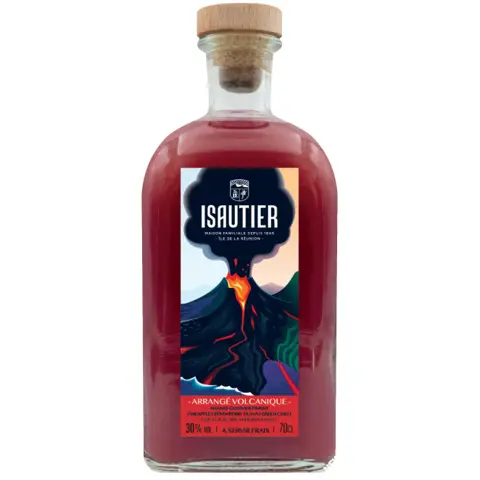 Isautier Arrangé Volcanique Goyavier Ananas Piment
8.2/10 (9 reviews)
Taste not yet noted
Which base rum, how long, how much sugar: answers from the Réunion tradition and nearly 400 tasting notes from the RumX community
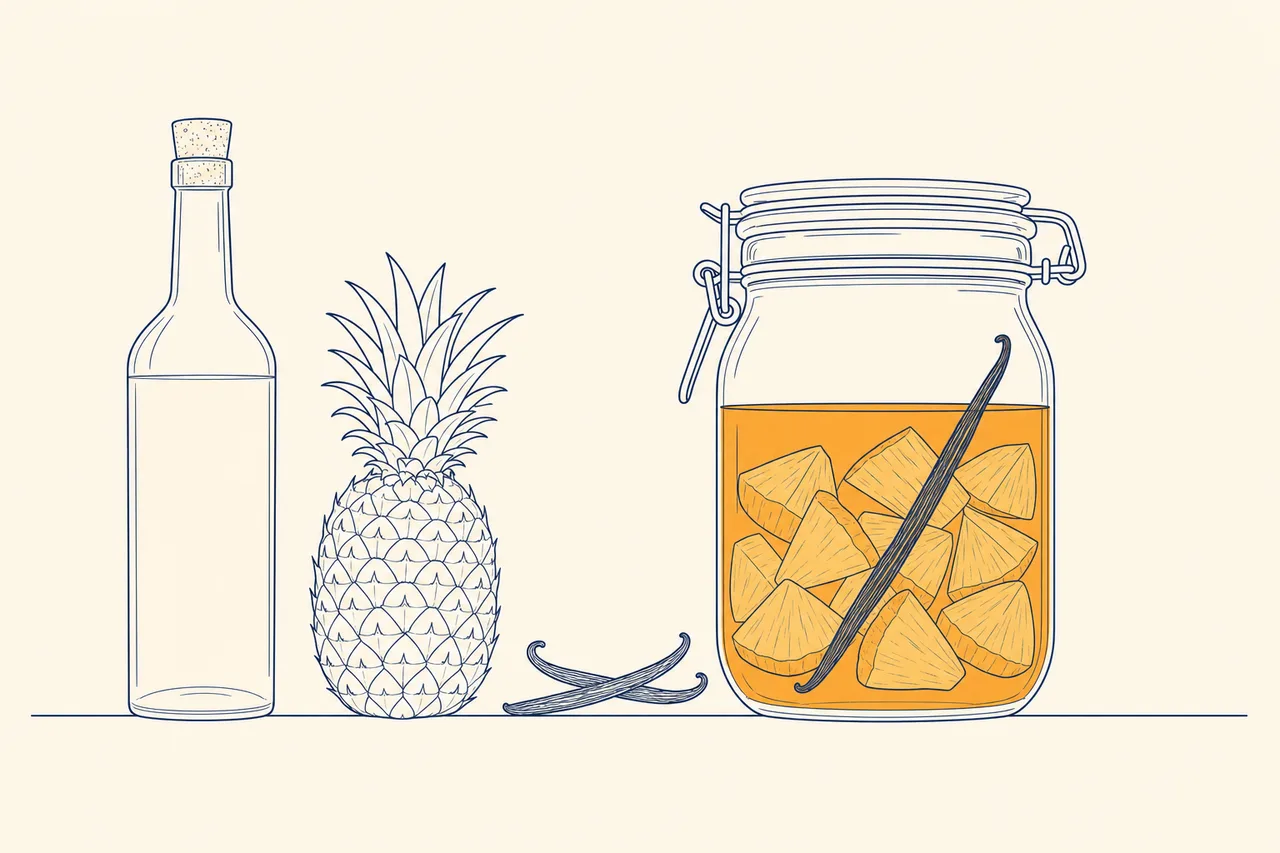
Rhum arrangé is France’s most handmade spirit: a white rum, fruit or spices, a preserving jar, and time. Think of it as the French cousin of infused liqueurs and cabinet tinctures, except the base is Caribbean-grade rum and the tradition comes from an island in the Indian Ocean. This guide pulls together what the Réunion tradition, European law and nearly 400 tasting notes from the RumX community can actually support: which base rum to choose, how long to macerate, when to sweeten, and which ready-made bottles genuinely earn their place.
A rhum arrangé is a rum in which ingredients have macerated for a long time: fruit, pods, barks, leaves, spices. Not a few hours like a bar infusion, but weeks to months. The alcohol slowly extracts aromas, sugars and oils from the ingredient; the result usually sits between 25 and 40% ABV and is no longer quite a rum, and never an industrial liqueur.
The difference from flavoured or sweetened supermarket rum comes down to one word: substance. An arrangé contains the ingredient itself, not its flavouring. The banana spent months in the jar, not a second in a lab.
The arrangé was born in the Indian Ocean, not the Caribbean. Two traditions meet on Réunion: that of sailors on the India route, who preserved fruit and spices in alcohol during crossings, and that of Madagascar’s betsabetsa, a cane wine fermented with leaves, barks and spices. On the island the practice became Creole: people “arranged” the local rum, first for medicinal use (the healing rum with faham or kaffir lime was part of the family pharmacy), then for pleasure.
By the 1930s the arrangé had become Réunion’s signature drink, sold by merchants and prepared in every household, each family keeping its own recipe and ritual. Only much later did the wave reach mainland France, carried by artisanal brands, and the Antilles followed with their own accents. To this day, Réunion houses like Isautier, the island’s oldest, dominate the community’s blind tastings.
A surprise to many: the term “rhum arrangé” does not exist in the EU spirits regulation. As soon as fruit and sugar go into a rum and the strength drops below 37.5% ABV, the product leaves the “rum” category. Commercially, an arrangé is therefore sold as a liqueur or under the legal denomination “punch au rhum”: at least 15% ABV and under 100 grams of sugar per litre.
Three practical consequences:
For the wider picture of what may call itself rum, our guide What is rum? covers the categories.
The genre’s most-asked question, and the answer fits in three rules.
White, young, straightforward. Maceration destroys the subtlety of an aged rum: its expensive barrel years vanish under the pineapple. A young white brings what matters: alcohol to extract, character to carry.
Between 40 and 55% ABV, ideally 50 and up. Alcohol is the solvent: the higher the strength, the better the extraction, and the fruit juices will dilute the result to drinking strength anyway. On Réunion the historic base is the neutral white “traditionnel” sugar-mill rum, typically at 49% like the Charrette blanc, which puts the fruit front and centre. In the Antilles, arrangés are built on white rhum agricole, grassier and more aromatic, which plays a part in the final profile.
What the community actually uses. In RumX tasting notes that mention arrangé, the most-cited bases are the Damoiseau blanc from Guadeloupe, Réunion’s Charrette, the Neisson blanc and HSE blanc from Martinique, and the Bologne blanc from Guadeloupe. One taster sums up the spirit of it, reviewing a successful vanilla arrangé: “locally grown vanilla on a base of good-quality white agricole rum, the blend is to my taste perfect”.
| Base | Style | Who it is for |
|---|---|---|
| White “traditionnel” rum (Réunion, ~49%) | neutral, lets the fruit speak | tradition, delicate fruit |
| White rhum agricole (Antilles, 50 to 55%) | grassy, fresh cane, more present | those who want to taste the base |
| White molasses rum (40%) | soft, affordable | big batches, very fruity recipes |
The equipment amounts to a clean, dry airtight jar, kept away from light and heat. Starting proportions: roughly one medium fruit or its equivalent per litre of rum, ingredients always fully covered by the alcohol.
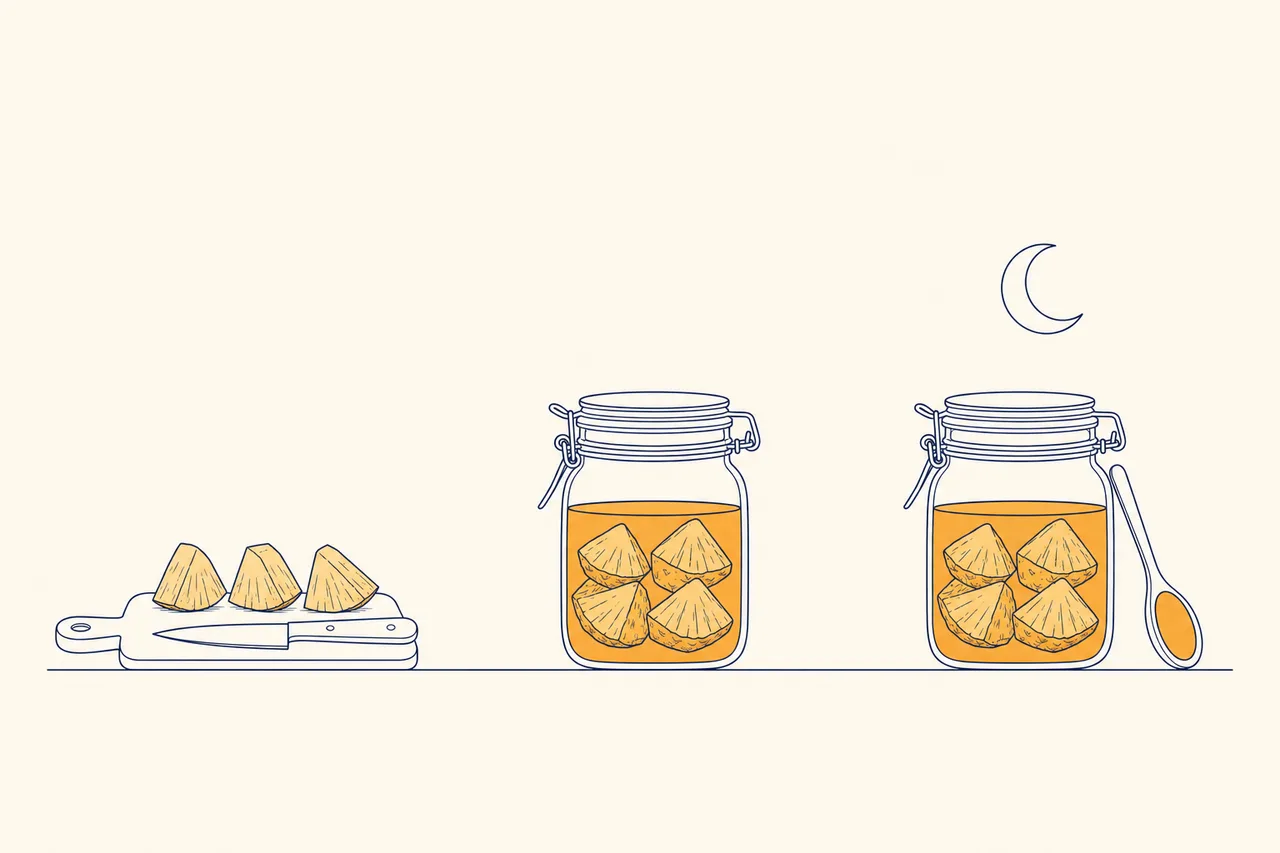
Maceration times per ingredient, cross-checked between tradition and community experience:
| Ingredient | Guide time | Note |
|---|---|---|
| Ginger, citrus zest | 2 to 4 weeks | taste early, it builds fast |
| Coffee (whole beans) | 3 to 5 weeks | remove the beans in time or it turns bitter |
| Pineapple, banana, mango | 2 to 3 months | ripe fruit, flesh only |
| Vanilla | 3 to 6 months | split pod; it keeps giving |
| Barks (bois bandé), faham | 3 to 6 months | dose lightly, powerful profile |
Sugar comes at the end. The most common mistake: sweetening at the start slows the exchange between fruit and alcohol. After the main maceration, one to two tablespoons of cane syrup per litre are often enough, followed by three weeks of rest. Very ripe fruit sweetens by itself; taste before you pour.
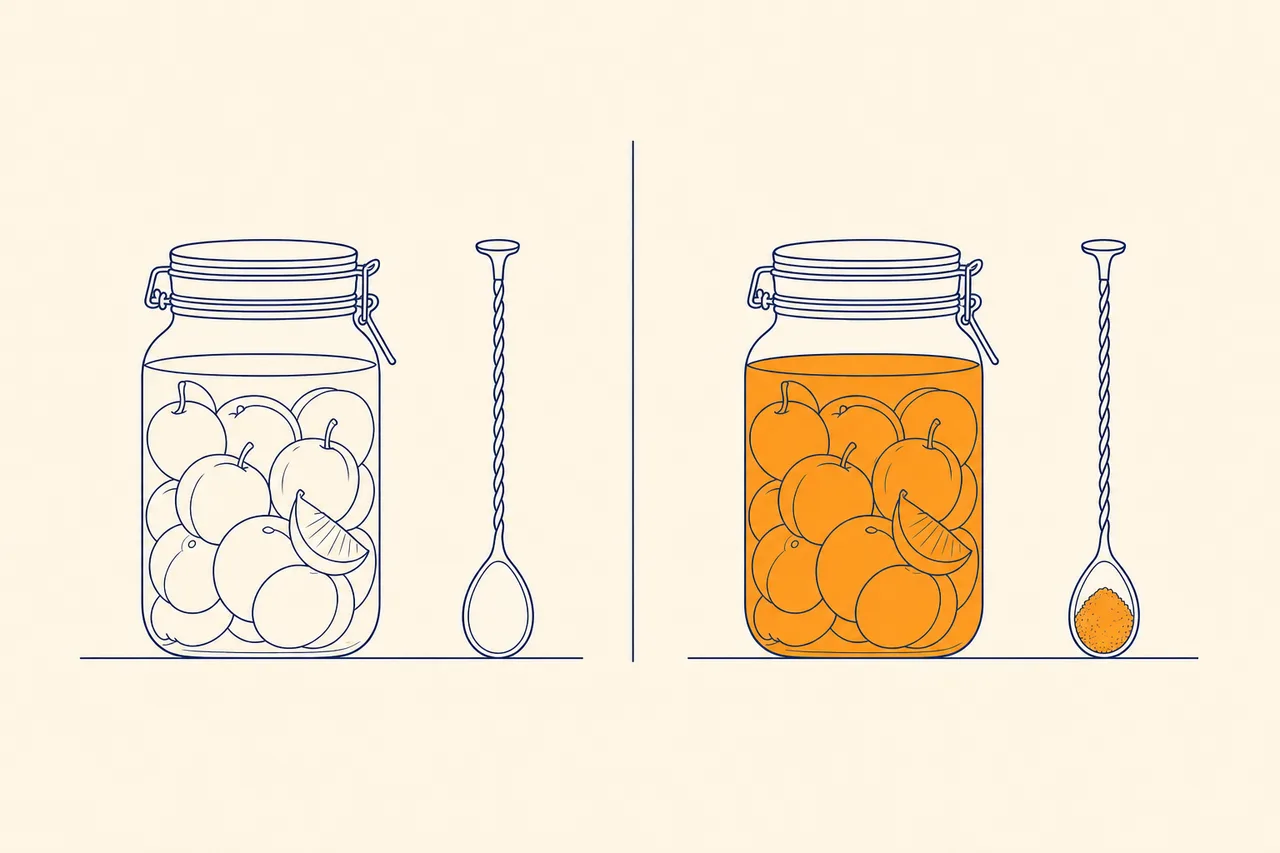
The five classic mistakes: a jar in the sun (light breaks down aromas), underripe fruit (nothing to extract), too much sugar too early, impatience (a one-month arrangé is not an arrangé), and water: rinsed fruit must be dry before it enters the jar.
These combinations are not arbitrary: in the community notes that mention arrangé, pineapple and vanilla crush everything else, followed by coffee, coconut and banana.
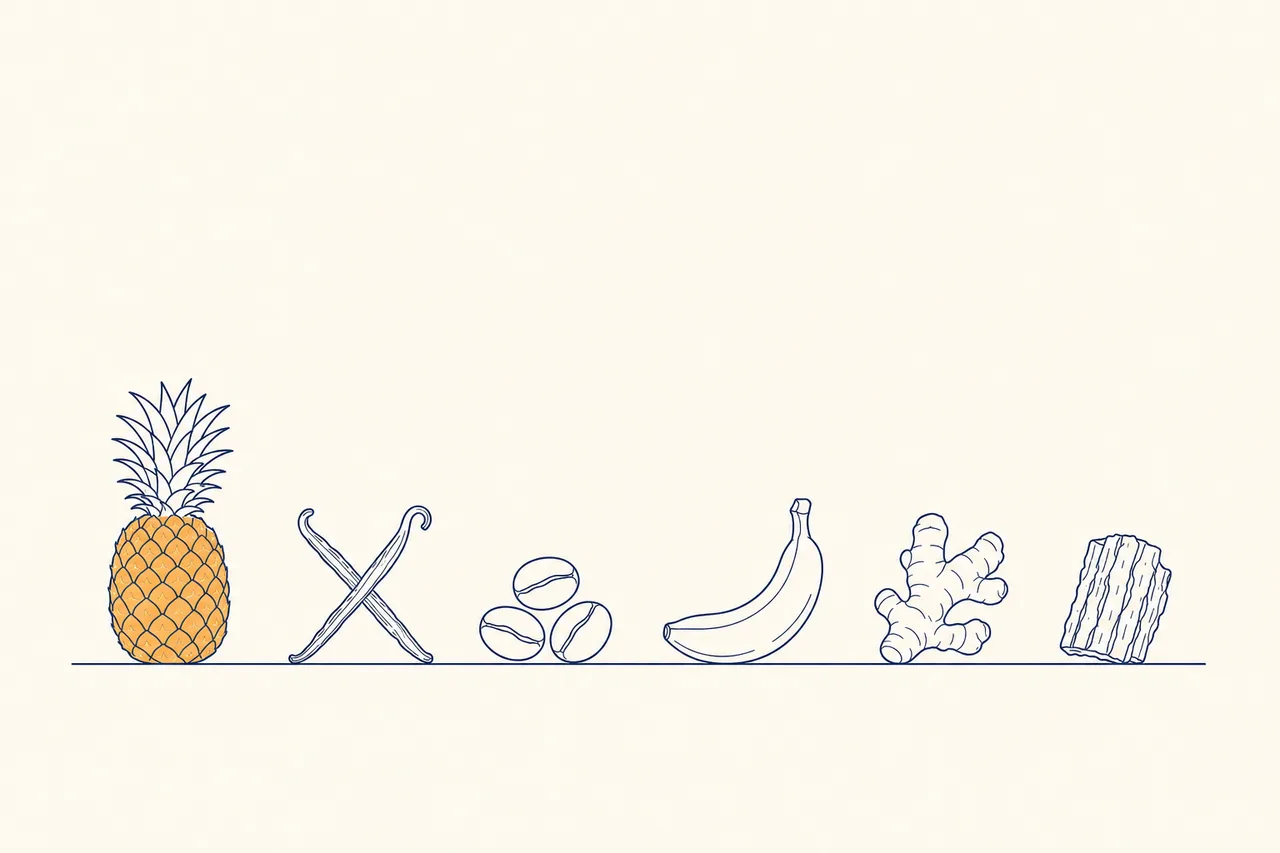
Vanilla. The simplest and the most demanding: two split pods per litre, three to six months, nothing else. On an agricole base, the absolute classic.
Victoria pineapple. The small Réunion pineapple, sweeter and more fragrant than the standard fruit. Flesh in pieces, optionally half a vanilla pod, two to three months. The community’s top-rated ready-made version is exactly this: Damoiseau’s Ananas Victoria.
Banane flambée. Ripe bananas, flambéed beforehand in a little sugar: the caramelisation brings the roundness. It is the profile of the most-tasted arrangé in the entire RumX catalogue, the Isautier Banane Flambée.
Coffee-vanilla. A handful of whole roasted beans, half a pod, one month maximum for the beans. The winter duo.
Ginger-lime. Fresh rhizome in slices, lime zest, two to four weeks. Bracing, almost medicinal, true to the genre’s origins.
Faham and bois bandé, the two roots of the story. Faham is an orchid endemic to Réunion with vanilla-almond notes, the base of the historic Creole healing rum. Bois bandé, an Antillean tree bark with a racy reputation, gives a woody, bitter, spicy arrangé: about fifty grams of bark per bottle, three to six months, dosed carefully.
No patience for three months? The artisanal market has exploded, and this is the part this guide can document like no other: at the time of writing, the RumX database references more than 370 rhum arrangés, a good hundred of them with a live purchase offer, blind-rated by the community.
The landscape in brief: Isautier (Réunion, founded in the 19th century, our page on the house) and Rivière du Mât dominate retail with remarkable consistency; Les Rhums de Ced’ carried mainland France’s artisanal wave with its Ti Arrangés; houses like Mama Sama, L’Arrangé des Alchimistes and Tricoche push more adventurous creations (lychee and Kampot pepper, hibiscus-lychee, tonka bean).
The community’s top-rated bottles among those available to buy:
The RumX community's top-rated rhum arrangés, all with live purchase offers
Isautier Arrangé Volcanique Goyavier Ananas Piment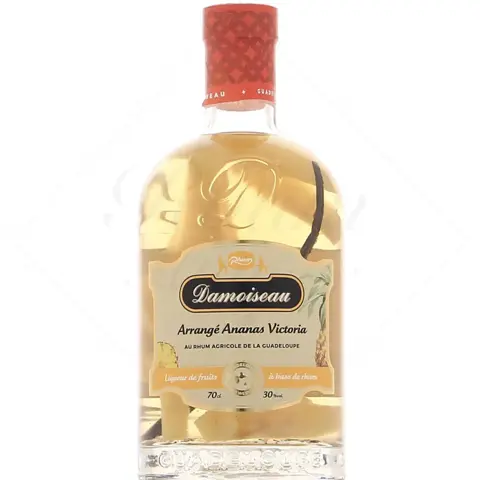 Damoiseau Les Arrangés Ananas Victoria
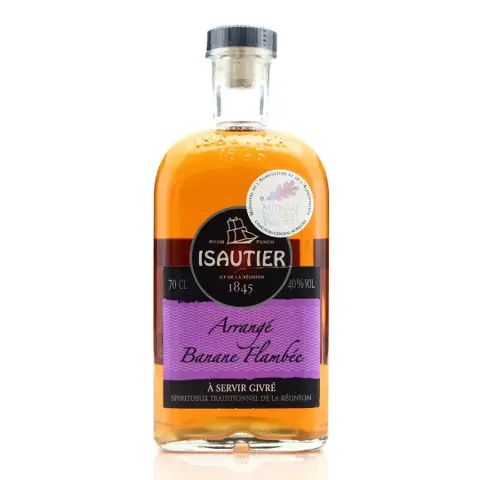 Isautier Arrangé Banane Flambée
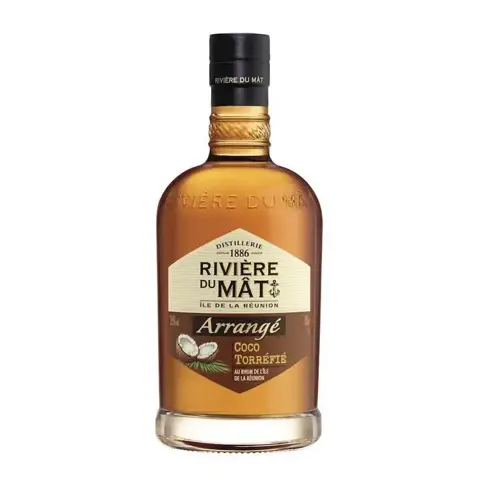 Rivière du Mât Arrangé - Coco torréfié
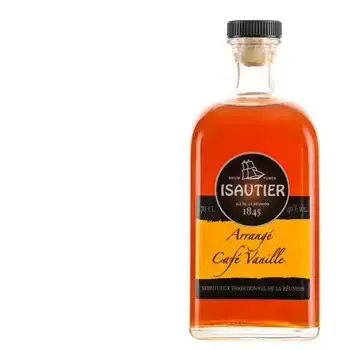 Isautier Arrangé Café Vanille
Two lessons from the notes: well-executed single-fruit profiles (pineapple, banana) regularly beat complex compositions, and the Réunion arrangés hold the top of the table against the more heavily marketed mainland creations. To explore beyond this top, our selection of the best base rums for arrangé completes this guide.
One last serving tip, valid for homemade and store-bought alike: serve arrangé at room temperature or barely chilled. The freezer, the common reflex, numbs exactly the aromas you waited three months for.
Rum is a spirit made from sugarcane — but raw material, fermentation, distillation, and ageing determine its style and quality. Learn what rum is, how it's made, and how to find the best bottles with RumX.
Read more ›
From ABV to White Rum — learn the essential rum terminology. A complete glossary of rum production, styles, and tasting terms.
Read more ›
Part 1 of the RumX Collector Series, drawing on data from over 50,000 registered RumX users. In partnership with Catawiki.
Read more ›