
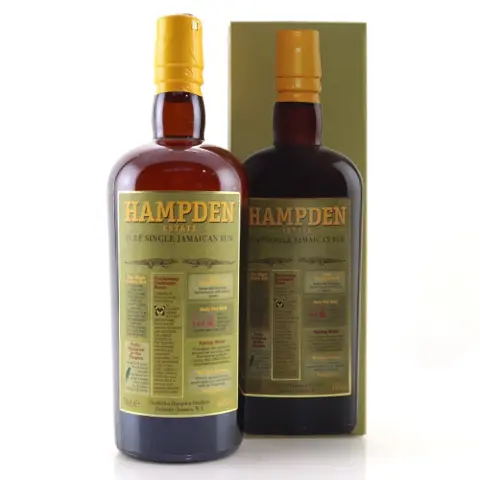
Hampden Pure Single Jamaican Rum
8.0/10 (699 reviews)
Ester · Banana · Tropical fruits
Seven criteria you can check, and the question of price, answered with the purchase prices and ratings of the RumX community
A label carries numbers, crests and words such as Premium or Reserva. None of them tells you whether you will like the bottle. But there are seven things you can check before you buy, and for each of them the RumX community has data: ratings by members and the prices they themselves paid for their bottles. If you would rather go straight to a list, here are the community’s best-rated rums and here all types of rum at a glance.
By seven things you can read on the label or on the bottle’s rum page on RumX. None of them replaces your own taste; each lowers the risk of a bad buy.
| Criterion | What you check | What the RumX data show at the same price |
|---|---|---|
| Legal name | Does the bottle say “rum”, or “spirit drink” (in German “Spirituose”)? | Experienced members score spirit drinks on a rum base almost a point lower than beginners do |
| Sugar | Does RumX list the bottle as unsweetened or as a sweet rum? | Beginners score both the same, experienced members give unsweetened rum a good half point more |
| Age | Does the bottle state an age in years? | The higher number does not bring a higher score |
| Strength | What is the bottle’s alcohol content? | From 43 % the score rises |
| Distillery | Does RumX list a distillery for the bottle? | Bottles with a known distillery are slightly ahead |
| Still type | Pot still or column still? | Between €30 and €50 pot still is 0.4 points higher; above that the gap disappears |
| Price | Which price band is the bottle in? | Between €50 and €100 the majority reach an 8.0 |
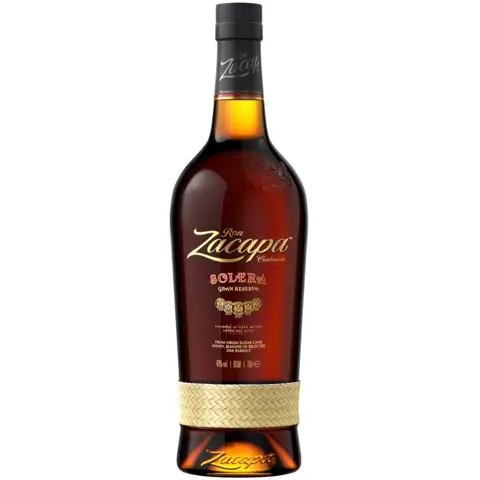
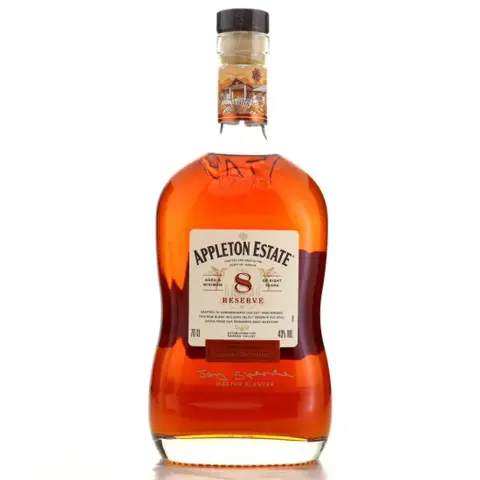
Three bottles show how this reads. For the Hampden 8, RumX lists the distillery, the country and an age of 8 years; it has 46 % ABV, is unsweetened and comes from a pot still. The RumX catalogue lists the Zacapa 23 with “up to 23 years” rather than a fixed age. The Appleton Estate 8 Reserve is in the catalogue with 8 years and 43 %.
Three examples for reading the information, not a ranking. Scores and prices are live.
How a score on RumX comes about is explained under how we evaluate the ratings.
The majority of bottles only reach a score of 8.0 or more between €50 and €100. Below that there are good bottles, but also many weak ones. Above that almost everything is rated well, and more money buys only a slightly higher score.
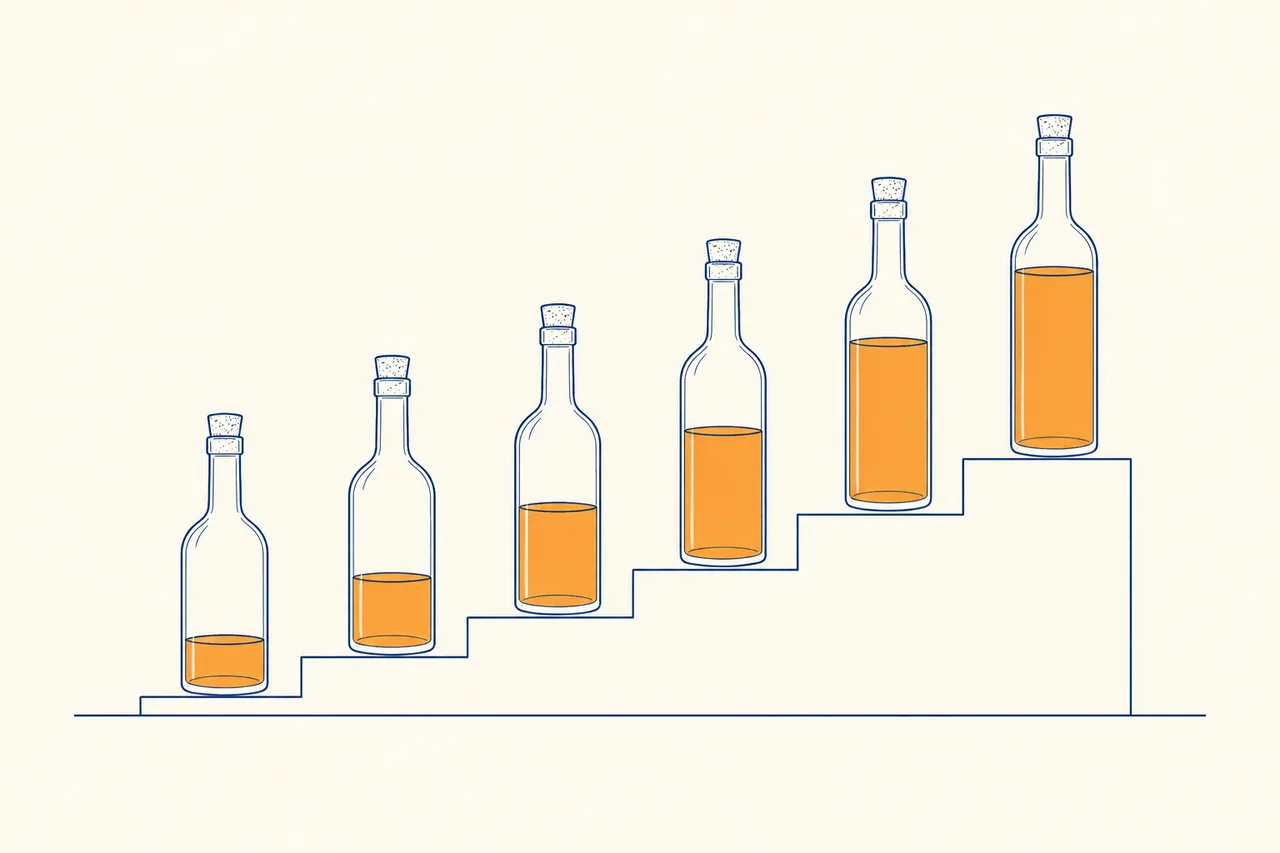
The figures are based on the prices members themselves paid and entered in the RumX app, in euros. For each bottle we take the median purchase price, converted to 0.7 litres, together with the community’s score.
| Purchase price per 0.7 l | Bottles (ratings) | Median score | Below 7.0 | 8.0 or above |
|---|---|---|---|---|
| below €20 | 66 (5,770) | 6.5 | 61 % | 5 % |
| €20 to €30 | 155 (18,124) | 7.0 | 29 % | 8 % |
| €30 to €50 | 398 (47,405) | 7.5 | 9 % | 18 % |
| €50 to €100 | 542 (42,658) | 8.0 | 1 % | 63 % |
| €100 to €200 | 596 (41,357) | 8.5 | 0 % | 94 % |
| €200 or more | 426 (27,165) | 8.8 | 0 % | 99 % |
As of 27 November 2026. Purchase price = median of the prices members paid for the bottle (at least eight per bottle), converted to 0.7 litres; excluding bottles below 0.35 litres. The lower limit belongs to the band. Median score = the median bottle score of the band, scale up to 10, bottles with 30 ratings or more. “Below 7.0” and “8.0 or above”: share of the band’s bottles with that score. Not tasted blind.
Three things to take from this:
Above €100 the score keeps rising, but slowly: from 8.5 to 8.8 at a price at least twice as high.
The two cannot be separated cleanly, but the rise also shows up among the same members. Expensive bottles are rated by different people than cheap ones: up to €50 about half of the ratings come from experienced members, above €100 it is almost nine in ten.
Hence the comparison within the same people. Of 1,620 members who have rated at least three bottles in both bands, 1,388 give their bottles at €50 to €100 the higher score than their bottles at €30 to €50. For 147 it is the other way round. The median gap is half a point.
Every step shows the same picture. From €20 to €30 up to €30 to €50 it is 1,109 of 1,500 members, from €50 to €100 up to €100 to €200 it is 938 of 1,057. At the very top the gap shrinks to 0.3 points.
What the numbers cannot show: whether the rum is better or whether expectation is being rated along with it. Nobody tasted blind; everyone knew the bottle and the price. Members have discussed exactly that in the RumX forum. Many write there that they leave the price out of the score. Several object that it cannot be blanked out entirely, and that only a blind tasting would be fair. Two say they deliberately factor the price in and mark expensive bottles down a little when they are not worth it. You can find the thread (in German) under Does the price have an influence on the score?
Yes, for both groups the score rises with the price. In every band beginners score the same or slightly higher; the direction is the same.
| Purchase price per 0.7 l | Beginners | Experienced |
|---|---|---|
| below €20 | 6.8 | 6.3 |
| €20 to €30 | 7.1 | 7.0 |
| €30 to €50 | 7.8 | 7.4 |
| €50 to €100 | 8.1 | 8.0 |
| €100 to €200 | 8.8 | 8.5 |
| €200 or more | 9.0 | 8.9 |
As of 27 November 2026. Median of all ratings in the band. Beginners: fewer than 10 rated rums; experienced: 50 or more. Every cell rests on at least 700 ratings.
Be careful with the rows for the higher price bands. Beginners who rate a bottle at €150 have probably picked it out deliberately. There are hardly any beginners with enough bottles for the comparison within the same person: for the step from €30 to €50 up to €50 to €100 there are 29, and 21 of them give the more expensive band the higher score.
Our advice for the start: stay between €30 and €50 and choose by the criteria below. That is where the scores of beginners and experienced members noticeably diverge, so it comes down to what you like.
About one bottle in fourteen below €30 reaches an 8.0, and these bottles have a lot in common. All of them have 47 % or more, none carries an age statement above two years, and three in four come from Martinique. Almost without exception they are white rums made from sugar cane juice.
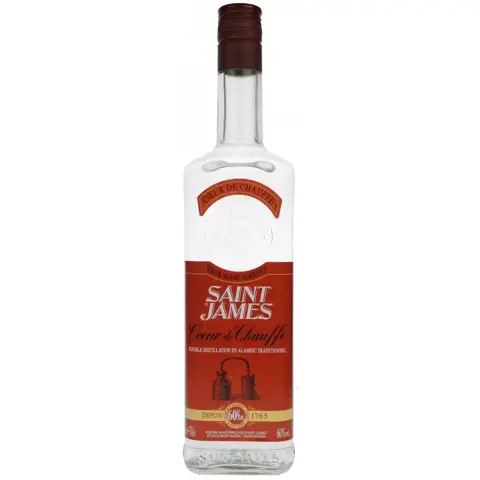
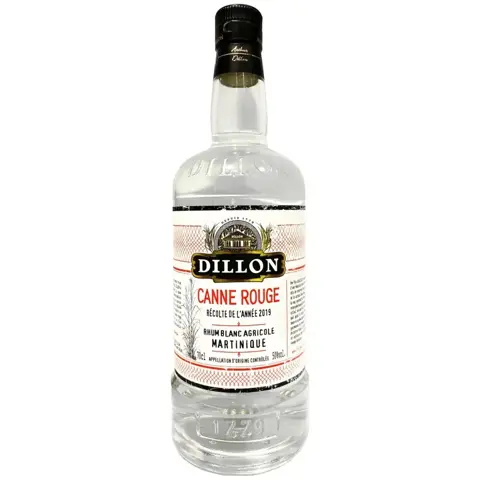
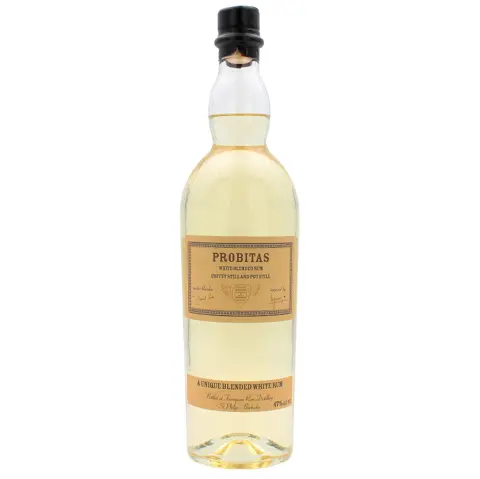
One reason suggests itself: these rums have spent no time, or hardly any, in a cask. They are not mild, and they are rated mostly by experienced members. Two examples from Martinique in 0.7-litre bottles: the Saint James Cœur de Chauffe at 60 % and the Dillon Blanc Canne Rouge at 50 %. The exception to the rule is Probitas, a blend from Barbados and Jamaica at 47 %.
Three bottles that members bought for a median of less than €30 per 0.7 litres and scored 8.0 or more. The cards show today's price at the partner shop including shipping, so the figure there can be higher.
The opposite exists too, it is just rare. Of the bottles from €75 upwards, about one in a hundred stays below 7.5.
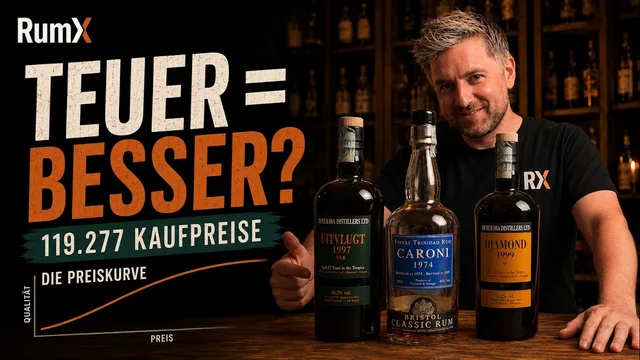
Oliver Gerhardt, founder of RumX, analysed the same question in summer 2026 using the community’s purchase prices. His line on it: “So money doesn’t buy you magic. Money buys you certainty.” For this guide we recalculated with the data of 27 November 2026 and, unlike in the video, converted the price to 0.7 litres. The curve stays the same. The video is in German.
Read the legal name first. If it says “rum”, the bottle may not be flavoured in the EU and must have at least 37.5 %. If it says “spirit drink” or “spirit drink on a rum base” (on German labels “Spirituose” or “Spirituose auf Rumbasis”), these rules for rum do not apply.
In the RumX community opinions on these bottles differ widely. Between €30 and €50, bottles that RumX lists as a spirit drink on a rum base get a 7.9 from beginners and a 7.0 from experienced members. For rum the two groups are close together, at 7.7 and 7.5. Between €50 and €100 the picture is the same: 8.2 against 7.4 for the spirit drinks, 8.0 and 8.0 for rum.
The name does not make a bottle bad. It tells you that flavourings, spices or more sugar may be involved. If you like that, buy it. If you want to know what rum tastes like, take a bottle that says rum.
What lies behind German label terms such as Übersee-Rum or Rum-Verschnitt is explained in the guide What is real rum? For rum up to €20 it gives a 6.6 instead of the 6.5 here: that comparison leaves out spirit drinks on a rum base and sorts by the RumX price indicator, this analysis by the members’ purchase prices.
The label rarely says so; the rum page on RumX does. In the EU rum may be sweetened with up to 20 grams per litre and is still called rum.
RumX therefore classifies bottles by the data the rum community has collected, such as density measurements and published analyses. That is not a lab result for every bottle. The two types are called unsweetened rum and sweet rum.
At the same price beginners make no distinction, while experienced members prefer unsweetened rum. Between €30 and €50:
As of 27 November 2026. Median of all ratings by the group, at least 1,800 ratings per cell.
Between €50 and €100 this repeats itself: beginners give both types an 8.2, experienced members give sweet rum a 7.5 and unsweetened rum an 8.1.
For your purchase that means: sweet rum is a common and legitimate way in, and many people stay with it. If you want a bottle you will still enjoy in two years’ time, try an unsweetened one alongside it early on. The Hampden 8 is one example that beginners and experienced members score the same, both at 8.0. With its powerful tropical fruit notes it is still not the easiest start for everyone.
In the EU an age statement gives the age of the youngest rum in the bottle. That is what Article 13 of the EU spirit drinks regulation says: a maturation period may only be stated where it refers to the youngest alcoholic component.
The regulation does not say what a number without the word “years” means. It regulates the word solera only for brandy; for rum it does not define it. In the solera process, younger and older distillates are blended continuously. The RumX catalogue lists bottles whose number means the highest age in the blend with “up to” before the number, so the Zacapa 23 appears as “up to 23 years”.
Two findings from the community:
So a twelve-year-old rum for €35 is not automatically the better buy than a five-year-old one at the same price. Colour, by the way, does not help you with age, because rum may be coloured with caramel. You will find aged bottles under aged rum, unaged and filtered ones under white rum.
At least 37.5 % ABV, otherwise it may not be called rum in the EU. In the community’s ratings the threshold is higher: from 43 % the score rises, and it does so within the same price band.
| Strength | Purchase price €30 to €50 | Purchase price €50 to €100 |
|---|---|---|
| 40 to below 43 % | 7.1 | 7.8 |
| 43 to below 50 % | 7.6 | 7.9 |
| 50 to below 60 % | 8.0 | 8.1 |
| 60 % or more | 8.0 | 8.2 |
As of 27 November 2026. Median of the bottle scores, purchase price per 0.7 litres, at least 16 bottles per cell. Below 40 % there are too few bottles in these price bands.
Across all prices, of 90 bottles below 40 % a single one reaches an 8.0. That is not only down to the alcohol: RumX lists around half of them as a spirit drink on a rum base, and there are cheap bottles for mixing among them as well.
Our advice: 43 to 46 % is enough to begin with. Cask strength above 55 % is something for later. Then a few drops of water help, and you need noticeably less in the glass.
Bottles for which RumX knows the distillery are slightly ahead at the same price. Between €30 and €50 they reach 7.5, bottles without a known distillery 7.2. Between €50 and €100 the gap shrinks to 0.1 points. What is measured here is the RumX catalogue, not what the label says.
A country on the label does not necessarily say where the rum was distilled. The regulation only requires that a stated place of provenance is the place where the spirit drink acquired its character. So look for the name of a distillery. You can read what lies behind it on the pages for distilleries and countries.
There are two basic types of still. The pot still, which distils in batches, yields heavy, aromatic rums. The column still, which runs continuously, yields lighter ones. Many bottles blend both.
Above €100 the two are level. That does not make the pot still better; it is more intense. Whether you like that is for your taste to decide. How rum is made is explained in What is rum?
Not at the same price. Independent bottlers buy casks from distilleries and bottle them under their own name. Across all prices their bottles, at 8.3, are clearly ahead of the distilleries’ own bottlings at 7.8. The lead disappears as soon as you compare bottles at the same price: between €30 and €50 both reach 7.5, between €50 and €100 both reach 8.0.
Independent bottlings mostly cost more and are rated mainly by experienced members. The pages for independent bottlers give an overview.
The legal name, sugar and a sober look at the price, in other words criteria that also separate bottles in the data. The statements come from nine videos by four German channels whose videos RumX matches to the bottles: Nicolas Kröger (founder of the rum brand Wagemut), the Rum-Schnacker, Rumtastisch and Rumperium. Most of the statements come from the Rum-Schnacker and from Nicolas Kröger. All the videos are in German.
Where at least two channels say the same thing:
Individual voices:
The statements are paraphrased, and each link jumps to the relevant moment in the video.
| Criterion | Expert | Statement | Video |
|---|---|---|---|
| Legal name | Nicolas Kröger, 2026 | If rum is the name on the bottle, there may be no flavourings in it | watch |
| Legal name | Rum-Schnacker, 2026 | You are allowed to like a spirit drink; he finds the bottle in question bad and says it does not taste of rum | watch |
| Sugar | Rumtastisch, 2020 | Anyone who has never drunk rum is well served by the Botucal Reserva Exclusiva (today Diplomático); RumX lists it as sweet rum | watch |
| Sugar | Rum-Schnacker, 2026 | Many start out very sweet and move from sweet to dry, as with sparkling wine or wine | watch |
| Sugar | Rum-Schnacker, 2026 | The step from beginner to advanced almost always means: away from sweetness | watch |
| Strength | Rum-Schnacker, 2026 | After that the appetite grows for more than 40 %, say 43 or 46 % | watch |
| Openness | Nicolas Kröger, 2022 | Praises a bottler who openly declares the sweetening, because most do not | watch |
| Openness | Nicolas Kröger, 2026 | Would like a list of ingredients on the bottle, so that everyone can decide for themselves | watch |
| Price | Nicolas Kröger, 2022 | For him, rum offers the best ratio of price to enjoyment among spirits | watch |
| Price | Rumperium, 2023 | In a comparison of three white rums the most expensive wins clearly; but he says that is not always the case | watch |
| Price and reputation | Rum-Schnacker, 2026 | Five celebrated bottles do not live up to their reputation; he does not find them bad for that | watch |
| Price and reputation | Rum-Schnacker, 2026 | With a hyped bottle, he says, you pay a lot for the marketing | watch |
| Your own taste | Rum-Schnacker, 2026 | Separates quality from personal preference when scoring: a bottle he does not drink in private gets the better score than one he privately likes better | watch |
The last point applies to you too. A rum can be well made and still not be to your taste. The criteria narrow things down; the decision is made in the glass.
The criteria above apply to every bottle. For a specific purpose a list or a dedicated guide gets you there faster.
Two lists to start with: the best rums for beginners and the rums with the best value for money. If you do not yet know which style suits you, the Rum Finder works it out in a few questions.
All buying guides:
Übersee-Rum and Echter Rum on German bottles are not in the EU spirit drinks regulation. Rum-Verschnitt is; Inländer Rum is a protected name from Austria.
Read more
Which supermarket rum in Germany is good? RumX community scores for Bacardi, Havana Club and the own brands, plus the verdicts of four rum experts on YouTube.
Read more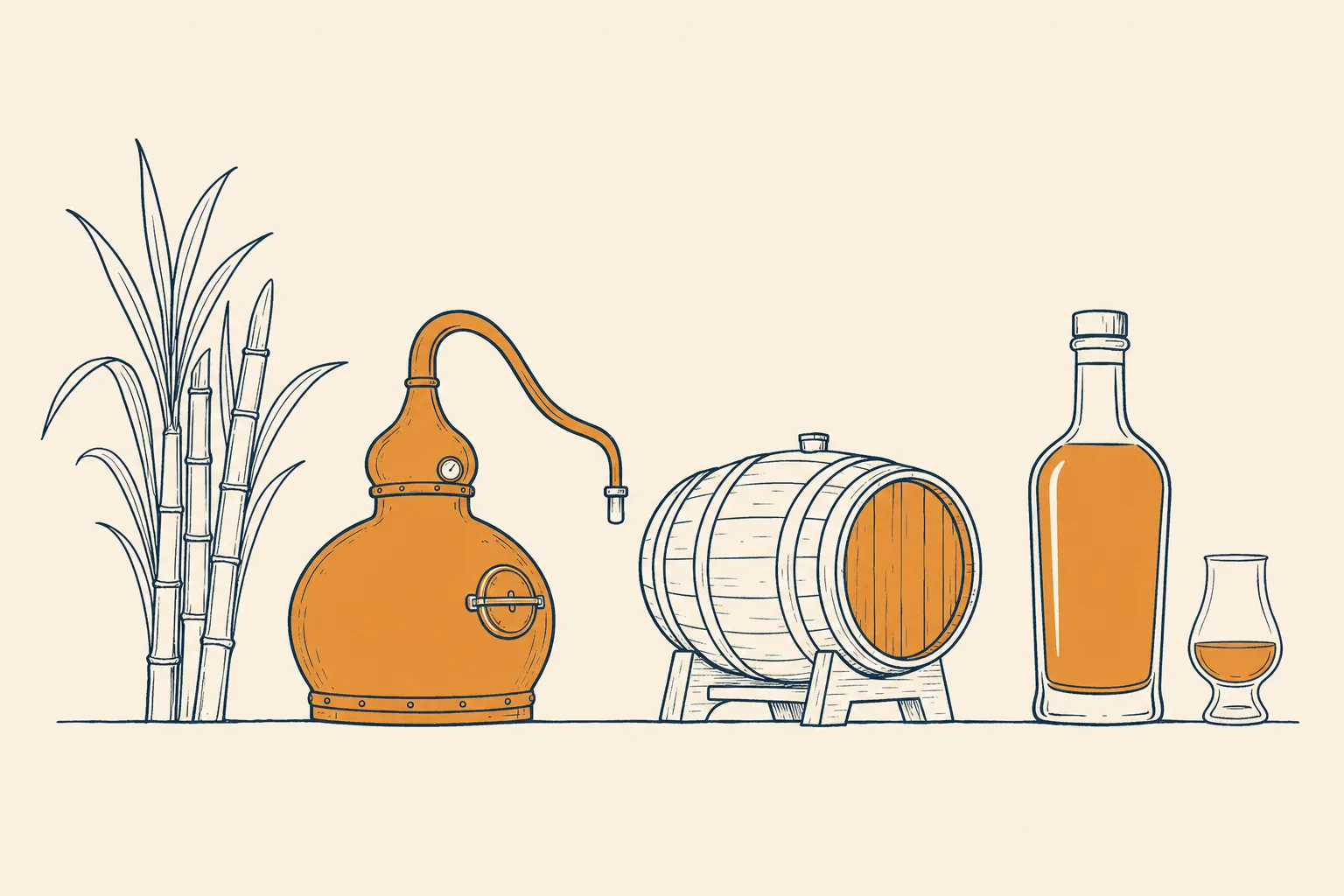
Rum is a spirit made from molasses, sugarcane syrup or sugarcane juice, bottled at 37.5% ABV or more in the EU. How it is made, and how it differs from rhum agricole, cachaça and rum-based spirit drinks.
Read more