
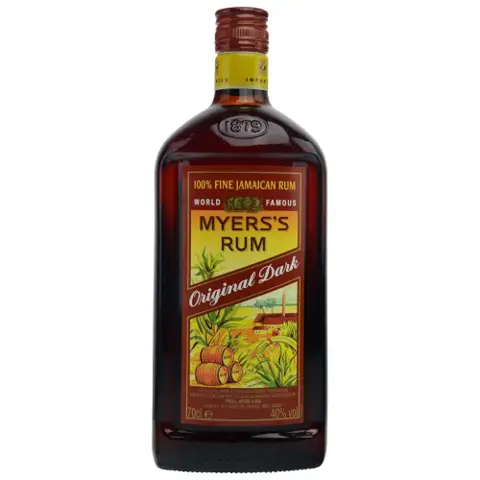
Long Pond & Monymusk Myers's Original Dark
6.0/10 (127 reviews)
Molasses · Dark chocolate · Spice
What the RumX community uses for Stollen, rum balls and cakes, what German Backrum and rum flavouring are, and how much alcohol stays in the bake
For cakes, Stollen (the German Christmas fruit bread) and fruit loaf, the German baking brand Dr. Oetker recommends rum at about 40 % ABV. The 54 % on many bottles in the baking aisle of German supermarkets comes from recipes for Rumtopf (fruit preserved in rum) and Feuerzangenbowle (German flaming punch). We read up on what members of the RumX community actually bake with, what is behind “Backrum” and rum flavouring, and how much alcohol stays in the bake.
That depends on whether the rum goes into the oven or not. In a cake batter part of it is lost; in rum balls and soaking syrup it stays as it is.
| You’re making | Bottle | Why |
|---|---|---|
| Sponge cake, soaking syrup, icing | Pusser’s Blue Label, 40 % | One member uses it for rum cake, syrup and glaze. Caramel, spice and vanilla according to the tags. |
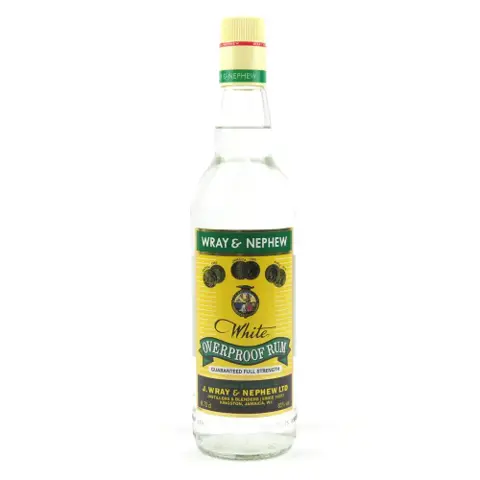
| Stollen, soaking raisins | Myers’s Original Dark, 40 %, plus Wray & Nephew Overproof | That is how one member in the forum does it. According to the tags, molasses and dark chocolate in the one, tropical fruit and esters in the other. |
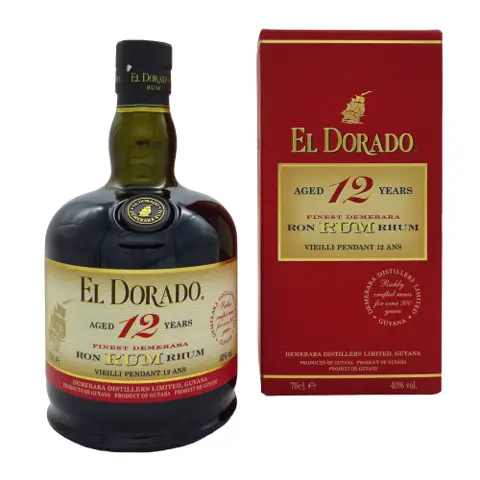
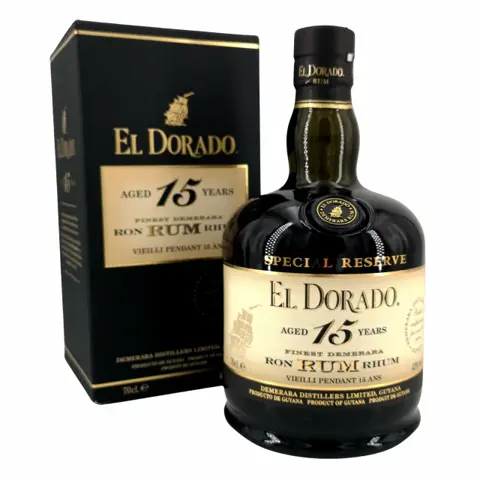
| Rumkugeln (rum balls) | El Dorado 12 or El Dorado 15 | The most-named brand in the forum thread on rum balls. Caramel, toffee and dried fruit according to the tags. |
| Rumtopf (fruit preserved in rum) | Pott 54, 54 % | The producer recommends it for this. Neat, the community rates it poorly. |
| Kaiserschmarrn, Punschkrapferl (Austrian desserts) | Stroh 80, 80 % | The producer recommends it for these, and five members name it for baking. It is a spirit drink on a rum base with a flavour of its own. |
The scores and prices on the cards further down are live. The selection is our own assessment from reviews, forum and catalogue; there are no paid placements.
With whatever is on the shelf and no longer appeals neat. That is what the reviews show: “for baking” is mostly a verdict there and rarely a recipe. 72 members write about 126 bottles that they bake or cook with them or recommend them for that (as of 26 November 2026). For two out of three of these members, it is mostly about bottles they themselves gave a 6.0 at most.
A typical line is this one about a sweet rum that someone used to enjoy drinking:
“It will probably have to make do with sweetening espresso and baking now.” (from a RumX rating)
Only 13 members describe what they actually baked. One of them, a member from Denmark, wrote two thirds of these cases and almost always reaches for sweet bottles at 40 %. What follows therefore applies to the twelve others, with 15 bottles between them:
So there is no community favourite for baking, and the voices are too few for a pattern. The following chapters go through the individual uses and say each time how many members are behind them.
For cakes, gateaux, muffins, Stollen and fruit loaf, Dr. Oetker recommends rum with an alcohol content of about 40 % ABV, and about 50 % only for filled chocolates. The company adds a rule of thumb: the higher the strength of the rum, the more intense the flavour.
How intense a rum tastes in a cake is something we can neither confirm nor refute with RumX data; nobody here has measured it. The tags show something else: which aromas a rum brings depends on the bottle and can’t be read off the strength.
Where the higher numbers come from:
Take the one whose flavour suits the bake; the colour is of little help. In the EU, rum may be coloured with caramel. Conversely, the white El Dorado 3 is, according to the brand, aged in cask for at least three years and then filtered through charcoal until it is colourless. So dark doesn’t automatically mean bold, and white doesn’t automatically mean mild.
The tags show how far apart this can be. The white Bacardi Carta Blanca stays largely neutral; mostly alcohol, heat and a little lime are ticked. For the dark Myers’s it is molasses, wood and dark chocolate. That fits the rule of thumb that dark rum is bolder. For the white Wray & Nephew Overproof from Jamaica, by contrast, funk, tropical fruit and esters are at the top.
Both turn up in the reviews. One member tried a white rum in a chocolate cake and writes that it wasn’t the last time. A French member puts white rhum from Marie-Galante into a gâteau nantais.
Our rule of thumb from this, as the editors’ assessment:
Rum from Jamaica is the choice that forum and producer have in common. For rum-soaked raisins, Dr. Oetker explicitly recommends “aromatic Jamaica rum”. And in the RumX forum (the thread is in German), the member Fuwi describes making their Christmas Stollen with Jamaican rum for the first time.
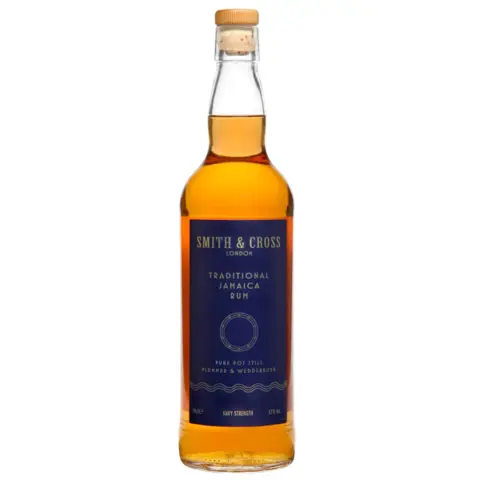
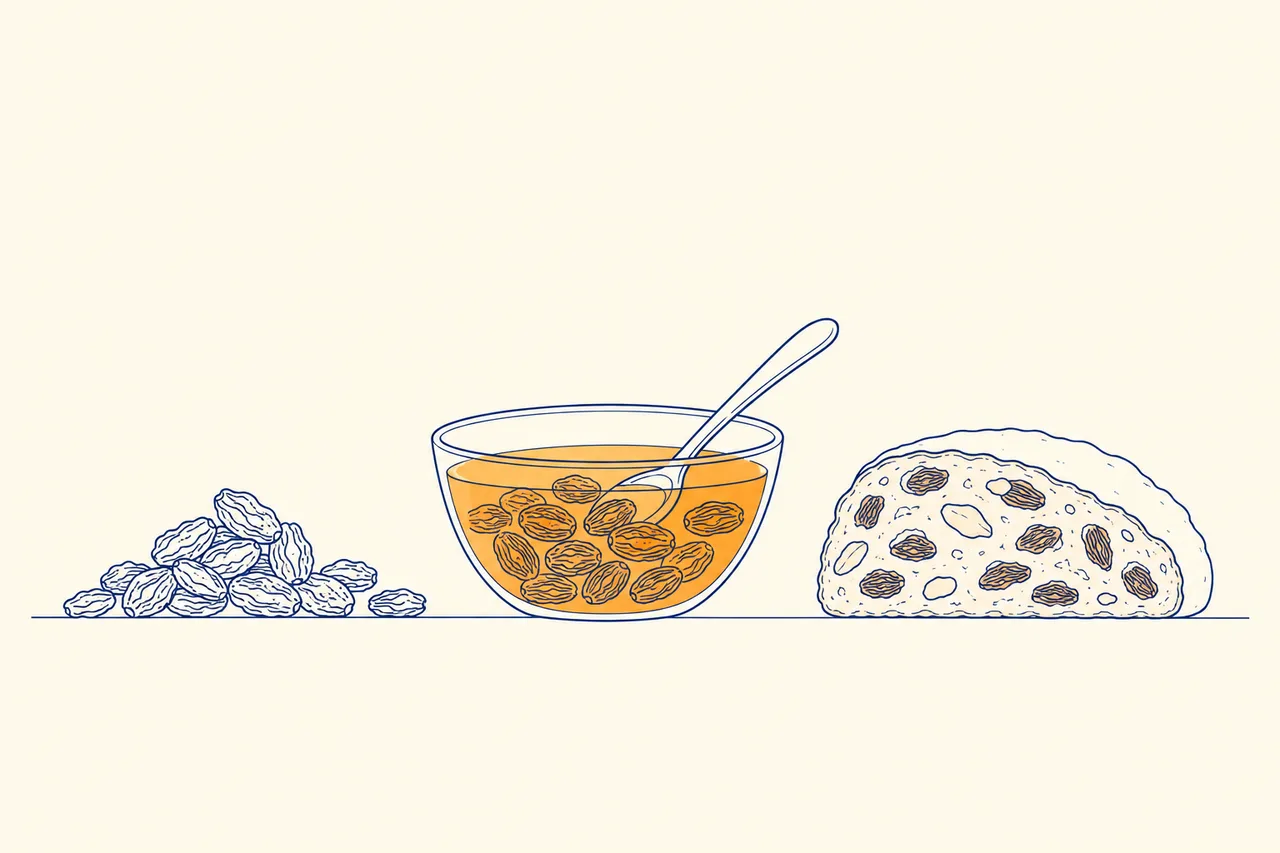
The raisins sat in the rum for several days; the rums used were Myers’s and Wray & Nephew, in the member’s words “punch on the one hand, esters on the other”. After four weeks of maturing in the cellar, they write, a fine aroma runs through the Stollen. A second member soaks their raisins in Smith & Cross.
The tags explain the blend:
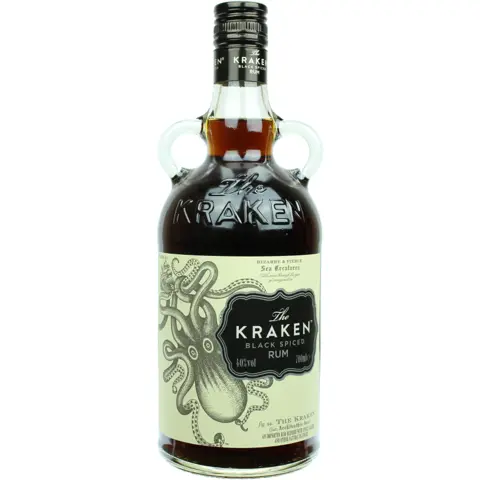
The second direction is spiced. Of the Kraken Black Spiced at 40 %, one member writes that as a baking ingredient in Christmas Stollen it is “a real knockout”. Another uses the 47 % version to replace the vanilla in chocolate chip cookies. A member from Denmark takes a spiced rum with vanilla from Mauritius for Stollen. For the Kraken bottle at 40 %, vanilla, sweetness and spice are the most frequent ticks. Kraken is flavoured and sweetened, and RumX lists it as a spirit drink on a rum base. There is more on the Kraken page.
On soaking: the members leave their raisins in a sealed container for one to several days and add the remaining rum to the dough. Dr. Oetker reckons on about one tablespoon of rum per 100 g of raisins.
One you also like neat, because rum balls aren’t baked. The rum tastes in the ball just as it comes out of the bottle, and its alcohol largely stays in.
The forum has a thread of its own on this, in German: Rumkugeln: Welcher Rum? (rum balls: which rum?). The most-named answer is El Dorado from Guyana. The member zabo added the recipe: 200 g of dark and 100 g of milk chocolate, and 6 cl of El Dorado 15 instead of 2 cl of standard rum. Another member reckons that with rum balls, the rum is the last place to cut corners.
A year later there is a warning in the same thread. A member made rum balls with a 20-year-old Caroni, and after a few days the flavour had almost disappeared, they write. So old and expensive doesn’t automatically mean more flavour in the ball.
The reviews fit El Dorado. One member made rum balls from dark chocolate with the 15 and with the older, sweeter release of the 12, and writes of the 15 that it goes “really well” with dark chocolate. According to the tags, today’s 12 tastes of caramel, toffee and dried fruit, the 15 of vanilla, caramel and spice, with more wood. The links lead to the current releases. What sets them apart from the older, sweeter ones is on the El Dorado page.
If you want it more chocolatey: of the Companero Extra Añejo at 54 %, one member writes that rum balls turn out particularly well with this “cocoa bomb”. Cocoa and dark chocolate are its most frequent ticks. RumX lists it as a spirit drink on a rum base.
The Pott 54 is named too. One member finds it “great” for their rum balls in the cold season and gives it a 4.5 neat.

A rum with caramel and vanilla for the batter, and for icing and soaking syrup one that you also enjoy in the glass. The icing isn’t heated, so there you taste the rum directly.
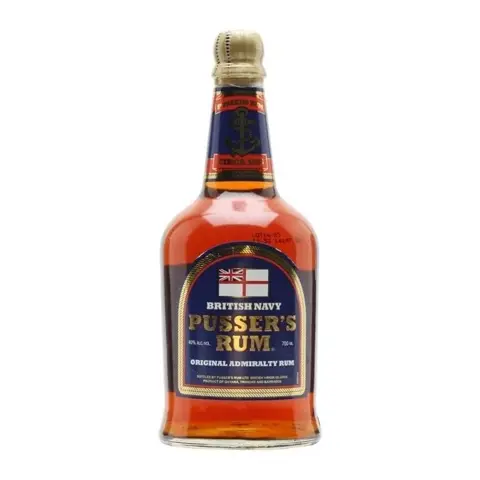
Of the Pusser’s Blue Label, one member writes that from experience it is great for rum cake, for syrup and for rum glaze. Caramel, spice, wood and vanilla are its most frequent ticks.
For chocolate cake, the member from Denmark names sweet, round rums, among others from Venezuela, Cuba and Peru. Their recipe in short: leave raisins in rum in a sealed container for one to two days and add them, rum and all, to the dark chocolate batter.
The Pyrat XO Reserve goes with orange. Four members name it for chocolate cake, cheesecake, tiramisu and desserts with orange. Orange and orange peel are its most frequent ticks, and RumX lists it as a spirit drink on a rum base.
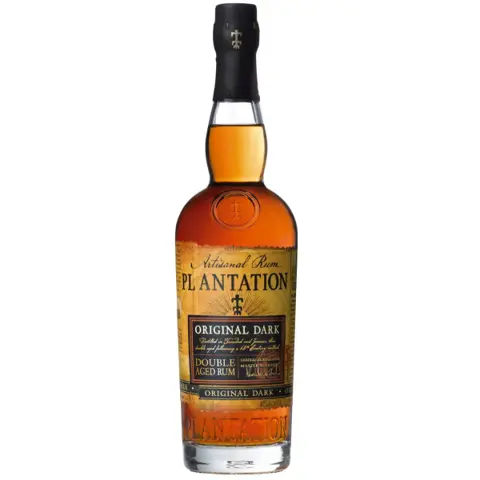
No member names the Planteray Original Dark (formerly Plantation) for baking. It is here because of its profile: vanilla, honey and caramel according to the tags, at 40 %.
For a soaking syrup, Dr. Oetker gives 20 ml of rum, 100 ml of water and about 75 g of sugar. You’ll find more sweet bottles under Sweet rum.

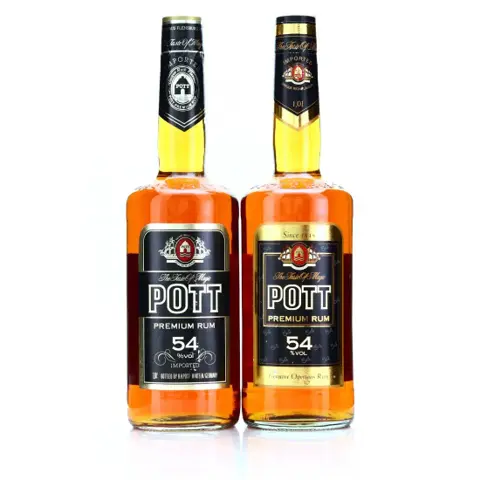
German recipe sites such as REWE (a supermarket chain) and lecker.de call for rum of at least 54 %, and the producers supply the matching bottle. Pott recommends its 54 % rum for Rumtopf and preserved fruit; Stroh recommends Stroh 60 for the classic Rumtopf, for everyone who finds Stroh 80 too strong.
Why exactly 54? We found no reliable source for that. Recipe sites justify the number with shelf life: the fruit gives off juice and dilutes the rum, and the stronger it is at the start, the more alcohol stays in the pot. No authority and no series of measurements establishing 54 % as a threshold stands behind any of these statements. The number matches the strength of the bottles the producers offer for the purpose.
In the RumX community’s reviews, Rumtopf is almost exclusively a flavour word. In 13 reviews it describes what a rum smells of, three times each for bottlings from Jamaica and from Guyana. Making one is rarer: one member tips a cask-strength bottling they don’t like neat into their Rumtopf, and another mentions in the forum a pot that has been steeping for two years.
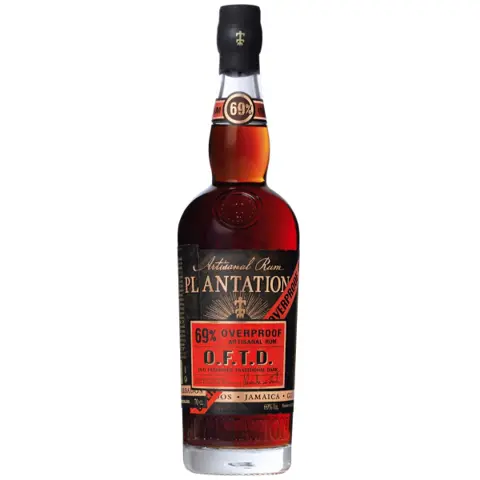
If you want flavour in the pot beyond the strength: of the Planteray O.F.T.D. at 69 %, one member writes that it smells of “full-throttle Rumtopf and raisins”. Vanilla, roasted notes and dark chocolate are ticked for it. More bottles from this strength upwards are in the list Best overproof rums.
“Backrum” (baking rum sold in German supermarkets) is not a protected term but a word for everything that stands next to the flour in the baking aisle. Four very different things can be behind it:
| On the label | What it is | Regulated in |
|---|---|---|
| Rum | Distillate from sugar cane juice, syrup or molasses, at least 37.5 %, not flavoured, at most 20 g of sweetening per litre | EU spirit drinks regulation (EU) 2019/787, Annex I |
| Rum-Verschnitt | Rum blended with neutral alcohol, at least 37.5 %. Only 5 % of the alcohol has to come from rum. Legally a “spirit drink” | EU spirit drinks regulation (EU) 2019/787, Annex II |
| Inländer Rum | Spirit from Austria with a protected indication of origin, according to Stroh made from sugar cane molasses and produced in Austria | EU geographical indication for Austria |
| Rum-Aroma (rum flavouring) | Flavouring in a small vial. At Dr. Oetker the ingredients list says only “Aroma” (flavouring); according to the producer it contains no alcohol | EU flavourings regulation (EC) No 1334/2008 |
Two consequences when you shop:
Spiced bottles such as Kraken are flavoured and therefore may not be called rum in the EU. RumX lists them as a spirit drink on a rum base. That is a classification of the label and not a verdict on the flavour in a cake.
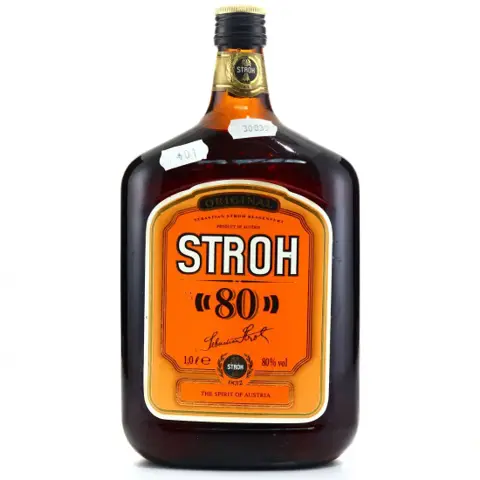
Stroh rum, officially Inländer Rum, is the special case. The producer describes Stroh 80 as having an aroma of almonds, vanilla and cinnamon and recommends it for the Austrian desserts Kaiserschmarrn, Germknödel, Apfelstrudel and Punschkrapferl. Neat, the RumX community rates it poorly, and yet one member writes: “First-rate for baking”. It doesn’t even want to be more than a baking ingredient, they add.
What rum flavouring reminds people of can be read from the reviews. In 24 reviews, members compare a bottle with the flavouring from the baking aisle. 18 times it is a reproach aimed at sweet or flavoured bottles. In five reviews of ester-rich rum from Jamaica, four of them of Hampden, it is a memory:
“It immediately reminds me of the rum flavouring my mother used from little bottles for baking.” (from a RumX rating of a 1993 Hampden)
If you like the taste from the vial and want to get there with rum, Jamaica is the direction, going by these five reviews. What makes rum rum in legal terms is explained in What is rum?.
No, not completely. The US Department of Agriculture had it measured how much of the added alcohol is still in the food after preparation:
| Preparation | Alcohol that remains |
|---|---|
| no heat, left to stand overnight | 70 % |
| stirred in, baked or simmered for 15 minutes | 40 % |
| stirred in, 30 minutes | 35 % |
| stirred in, 1 hour | 25 % |
| stirred in, 2 hours | 10 % |
| not stirred in, baked for 25 minutes | 45 % |
The values come from the USDA Table of Nutrient Retention Factors and go back to a series of measurements from 1992. They apply to the method of preparation, not to a particular recipe. For your cake they are a guide value.
What that means in the kitchen:
So the often-read claim that alcohol evaporates from 78 degrees Celsius and is gone after baking isn’t true. If there should be no alcohol in the bake at all, leave the rum out. What you can replace it with is in the frequently asked questions.
In the forum, members collect their results, from panettone to pineapple cake with rum raisins. The thread below is in German; add which bottle ends up in your batter. Which rum you’ll also enjoy in the glass is something the Rum Finder shows you.
Which rum for Eierlikör, the German egg liqueur? White rum stays in the background, aged rum adds vanilla and caramel. Plus 40 or 54 %, spiced rum, raw eggs.
Read more
Rum for Feuerzangenbowle, the German flaming punch: producer's recipe and TÜV safety advice assume 54 % ABV. Bottles from 54 %, their taste, RumX ratings.
Read more
Rum is a spirit made from molasses, sugarcane syrup or sugarcane juice, bottled at 37.5% ABV or more in the EU. How it is made, and how it differs from rhum agricole, cachaça and rum-based spirit drinks.
Read more